Within the aesthetic experience, we don’t experience art as an unsolved puzzle. We inhabit it, much as one inhabits music or poetry.
Thus, immanent participation conceals the enigma.
Once we step back and look at the artwork from an external or analytical standpoint, the enigmatic quality reappears—“like a spirit,” haunting the work.
• This is a dialectical moment: from within, art is coherent; from outside, it is mysterious and ungraspable.
• The “contract” refers to the implicit understanding that to truly experience art, we must accept its autonomy and its own rules of meaning. When we reject the rules (viewing art from a purely practical, instrumental, or realist standpoint), we experience its strangeness.
Adorno now shifts to a sociological register. Those who are “alien to art”—people who cannot enter its immanent logic—experience art’s enigma as absurd or meaningless.
• To them, art appears pointless, elitist, or fraudulent, because they approach it with the “reality principle” (Freud’s term for the demand that all things serve practical purposes).
• This reaction negates art—it refuses the aesthetic sphere altogether.
• Yet this negation also becomes “the ultimate criticism of art,” precisely because it exposes how fragile the aesthetic sphere is in a rationalized, instrumental world.
So, the hostility of the “uninitiated” actually confirms art’s truth—its difference from instrumental rationality.


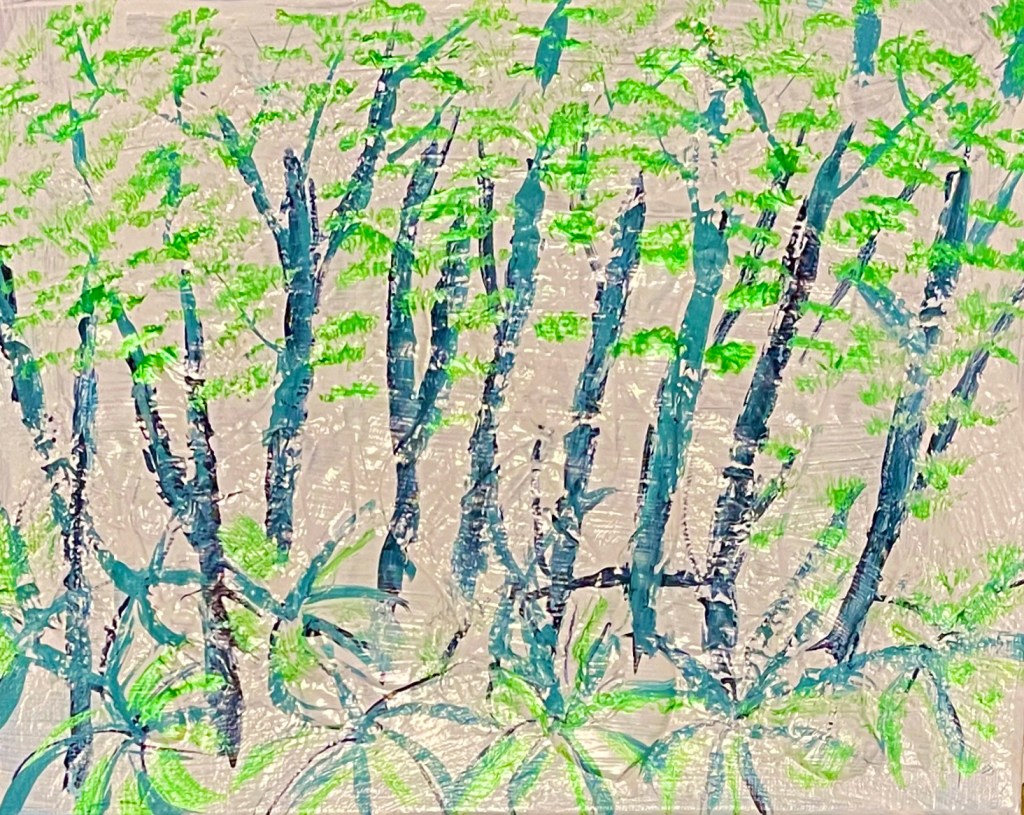
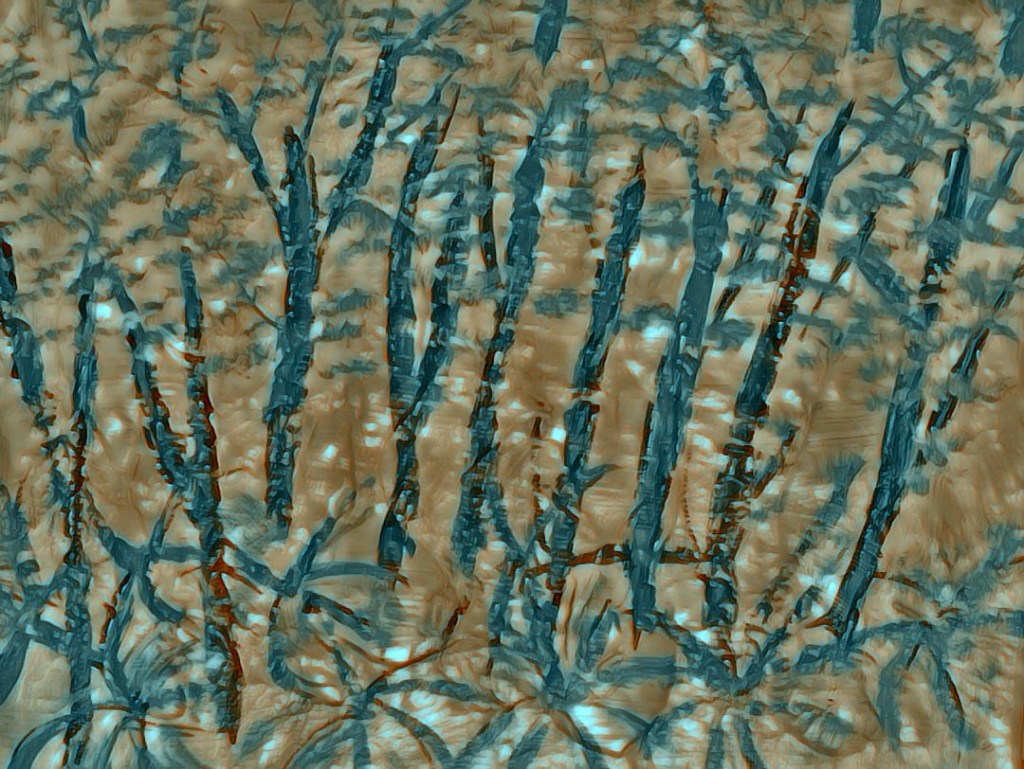
 Art by Kate W