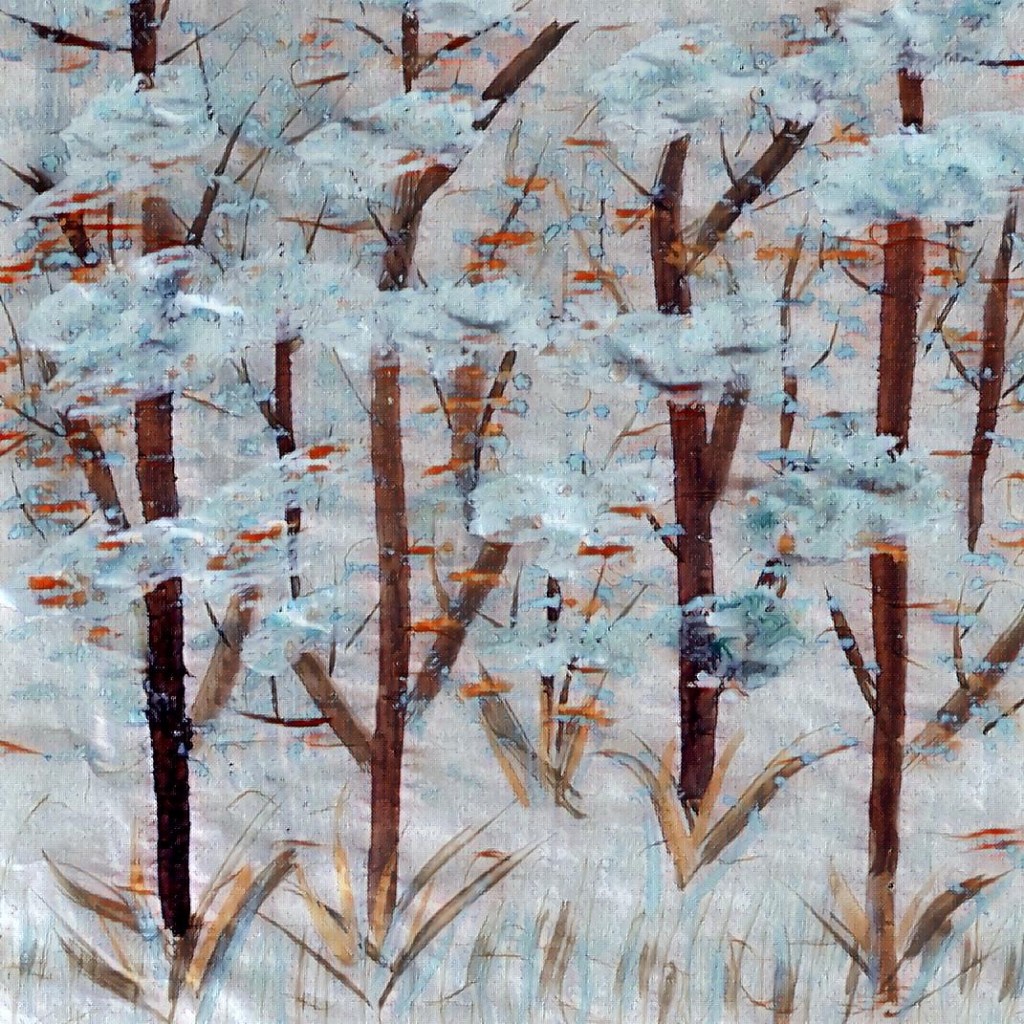
This painting is made of
• rice paper
• ink
• technique
While it is Completely artificial or an artifact, Yet we can experience something more than the materiality of the painting.
• atmosphere
• presence
• a sense of living nature
That extra dimension we experience is what Theodore Adorno in his, AESTHETICS THEORY, calls the truth content of a work of art.
Therefore Art does not reproduce nature.
It reveals what nature might mean beyond the domination of modern society.
Nature becomes:
• fragment
• memory
• possibility.
So the artwork internally criticizes its own artificiality.
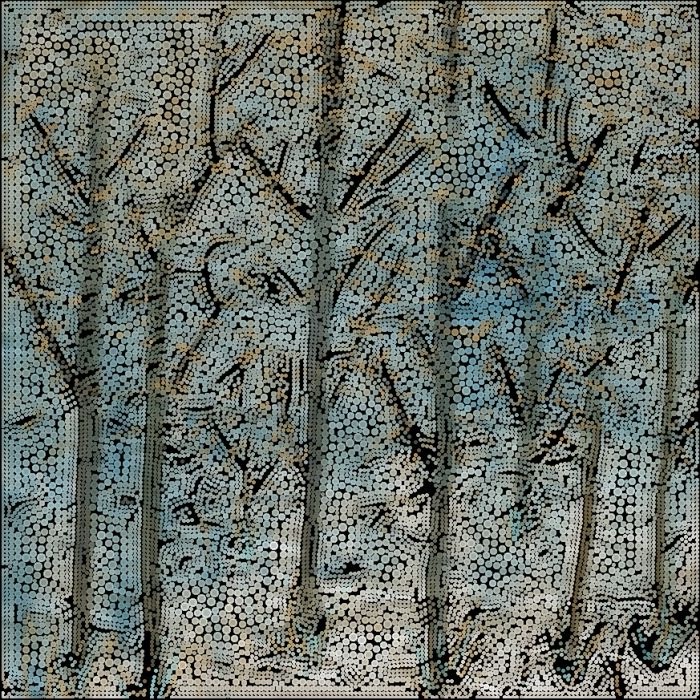
Art presents multiplicity
Meaning:
• details
• textures
• contradictions
• ambiguities
A painting or poem cannot be fully reduced to a single concept.
It contains many layers simultaneously.
So the truth in art appears not as a concept but as multiplicity.
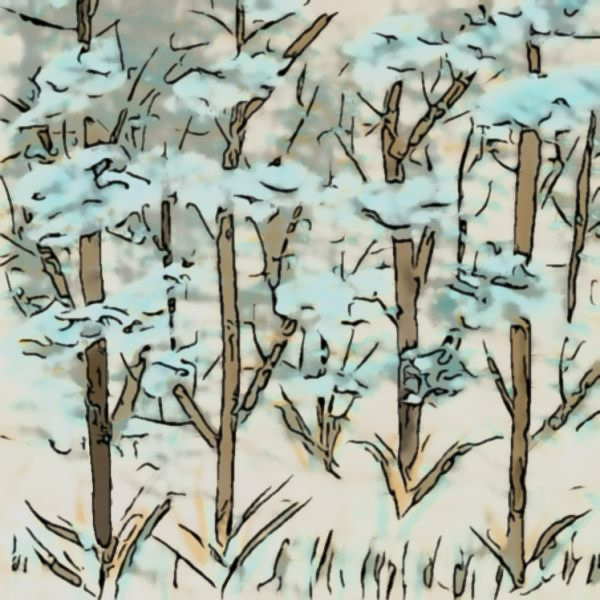
Resisting identity
Identity-thinking vs. multiplicity
Adorno’s big philosophical opponent is identity thinking.
Identity thinking is when reason:
• classifies things
• reduces differences
• turns the world into concepts and categories.
For example:
Tree → concept “tree”
Forest → concept “forest”
But real things are always more complex than the concept. Concepts erase particularity. Adorno calls this identification.
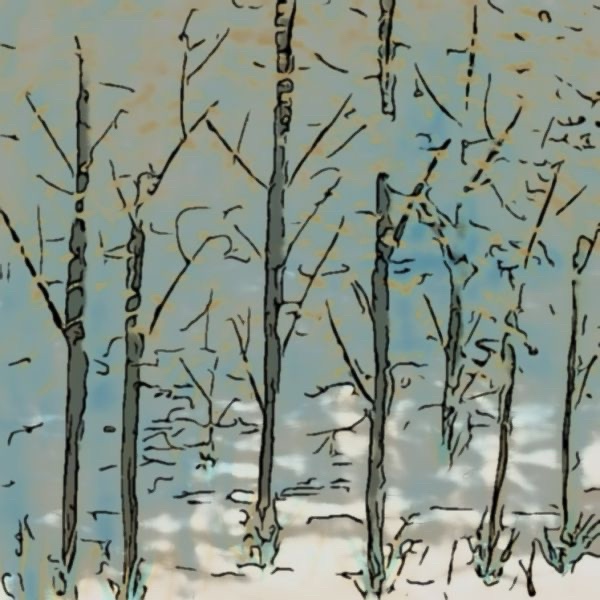
This painting, while for my work, is rather minimalist, yet consists of highly particular elements: specific colors, textures, rhythms, spatial relations, material surfaces, etc
These details cannot be fully translated into concepts.
You cannot reduce a painting to a proposition like “this is a forest.”
The artwork contains too many relations.
This is why Adorno says truth appears in art as multiplicity rather than concept. And has non-identity as a quality of the process, material, social relationships, etc
 Art by Kate W