The goal isn’t to blend everything into a perfect unity — but, as Adorno reminds us, to let the tensions and contradictions remain visible.
Good form resists reification — the freezing of meaning and style, or attempts at standardizing, making art homogenous so it becomes something consumable.
Instead, good form maintains a dialectic: things remain distinct, yet interdependent.
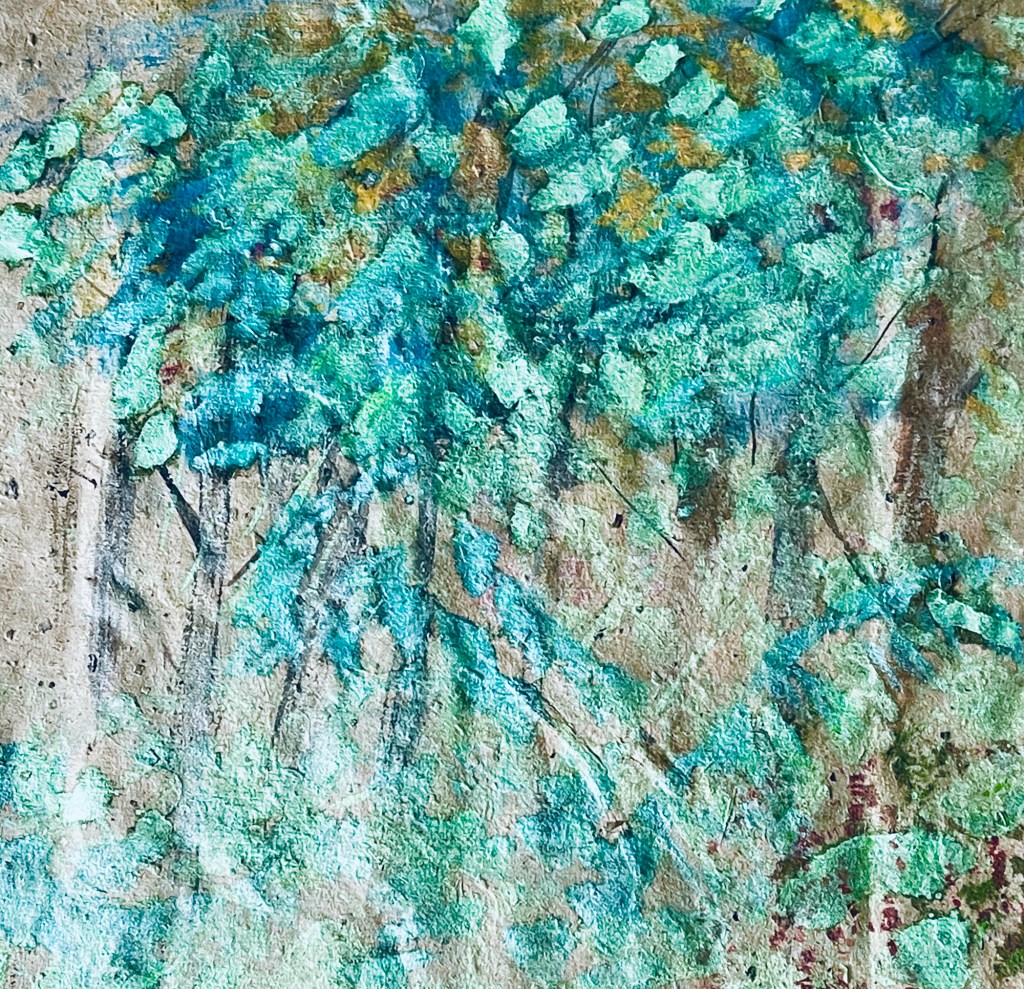
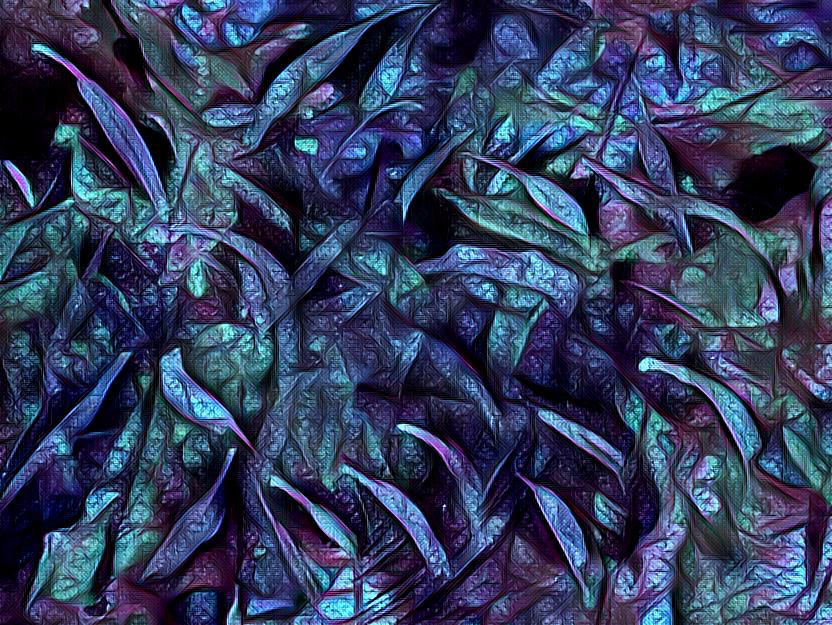
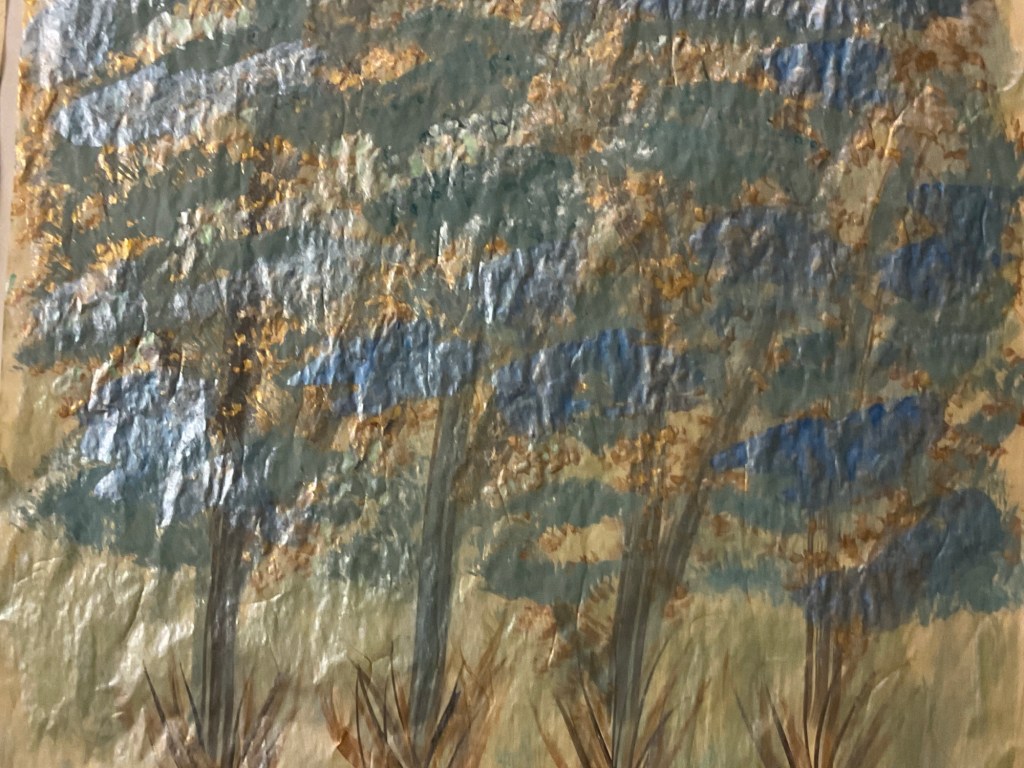
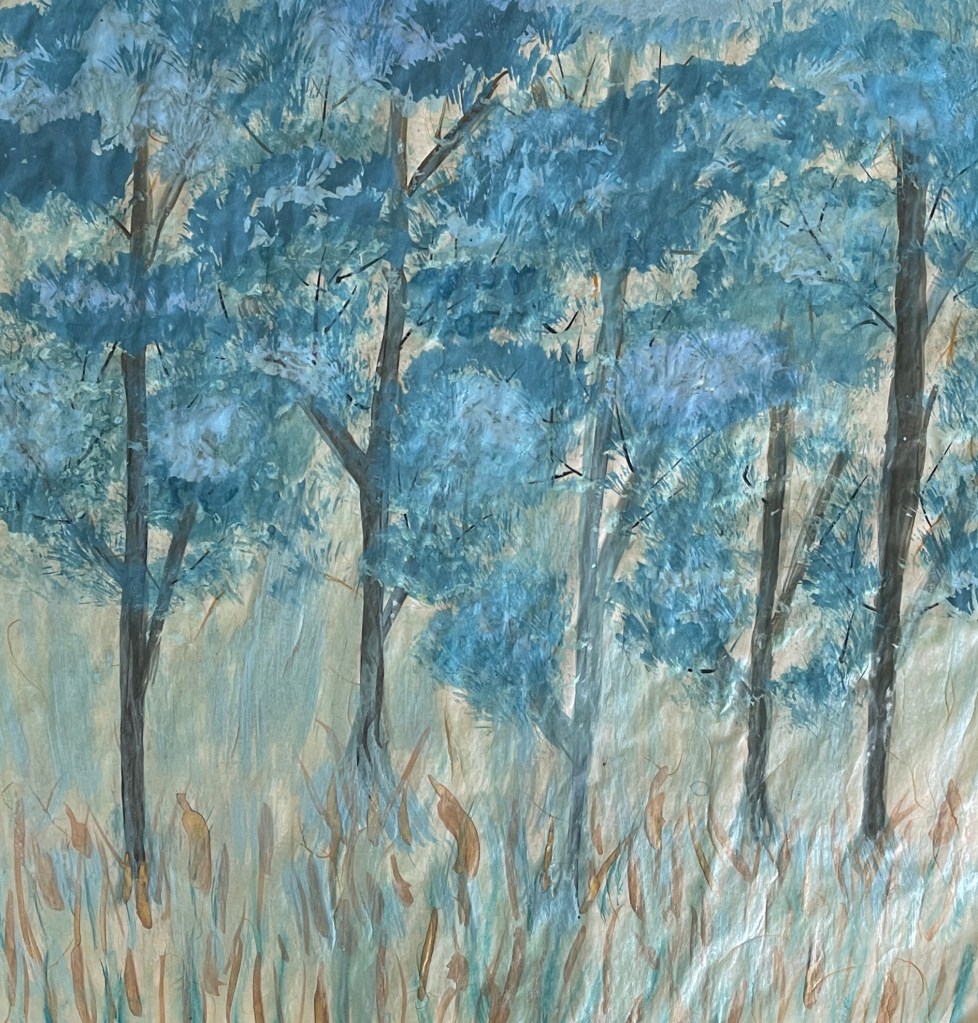
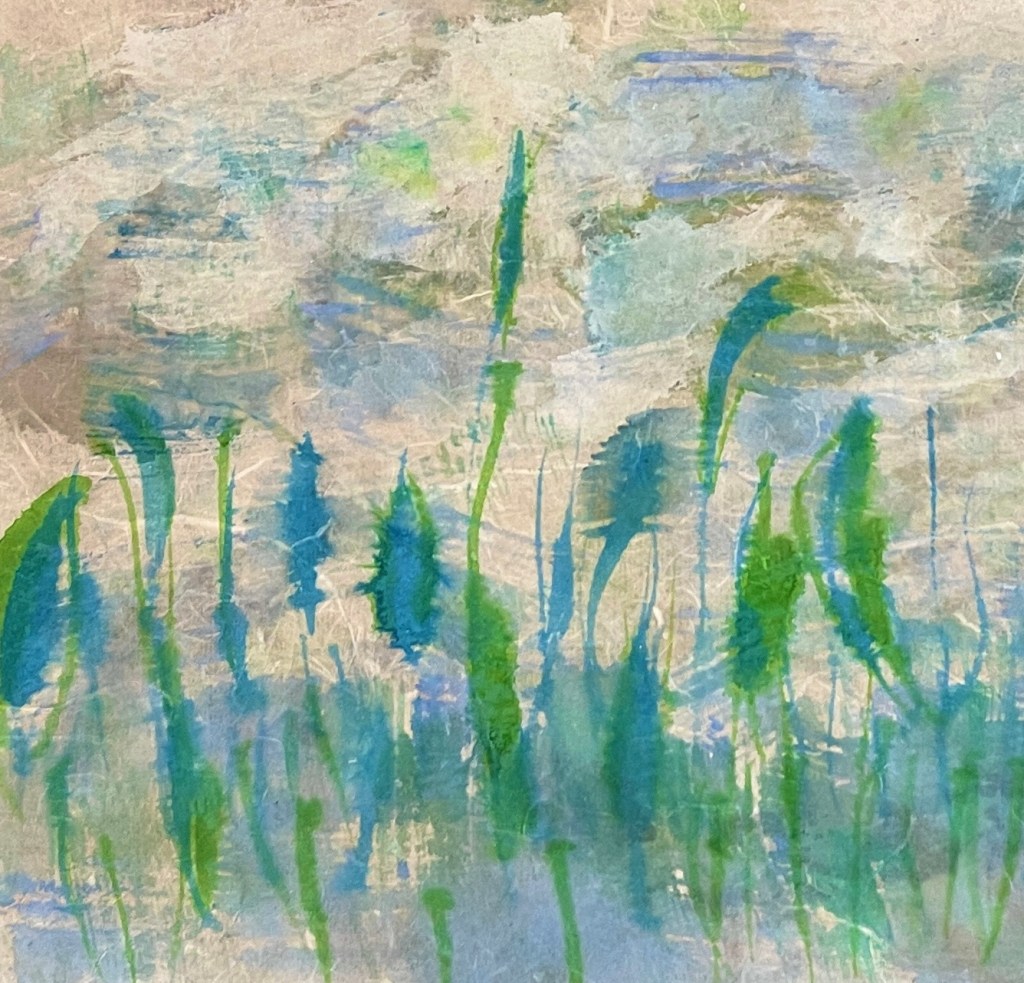
“Form is not an external mold…” according to Adorno.
The Modernists and contemporary artists challenge the old idea that form is something imposed from the outside — like a cookie cutter, already formulated.
In classical or academic art theory, form was often thought of as:
• A pre-existing structure or ideal shape (e.g., Platonic form)
• Something given, outside of the artist
But in modernist and critical theory, form is something more dynamic — arising from internal tensions within the work. Form is not fixed, but a mediation among the following elements:
• Materials – what the work is made from (paint, clay, words, video…)
• Techniques – how it’s made (gesture, layering, assemblage, etc.)
• Historical residues – ***
• Symbols – meanings, signs, images, references (personal or collective)
To say form is a mediation means it emerges from the negotiation, or tension among these elements — like matter seeking equilibrium. Form is the “resolution” (in the dialectical sense) that holds all these differences together.
***Historical residues refer to:
• Traces of the past embedded in art: styles, movements, genres, traditions, myths, clichés, economics, politics and social relations
• Unconscious echoes of prior forms
• Cultural assumptions or aesthetic habits passed down through time.
 Art by Kate W