Art, like any form of work, is rooted in the same human capacities and historical processes that produce labor and material goods. Art’s production is bound up with society, just like any form of labor. So even though art may seem detached from economics or politics, it’s still part of the same historical and economic movements.
Adorno writes, that art contains.. “sedimentations or imprintings of social relations of production. Art’s double character as both autonomous and fait social is incessantly reproduced on the level of its autonomy. It is by virtue of this relation to the empirical that artworks recuperate, neutralized, what once was literally and directly experienced in life and what was expulsed by spirit. Artworks participate in enlightenment because they do not lie: They do not feign the literalness of what speaks out of them.” (p.6 Aesthetic Theory.)
Even when a work of art tries to be purely “art for art’s sake”—free from society—it still ends up reflecting the world it’s trying to resist. The struggle for autonomy itself becomes a mirror of the society art exists in. It seems, the logical conclusion, to break free of the colonization and the limitations of the society we are shackled to, is to engage in a negative dialectical process, to understand and to engage with the other. Martin Buber might suggest this is a spiritual experience with G-d.
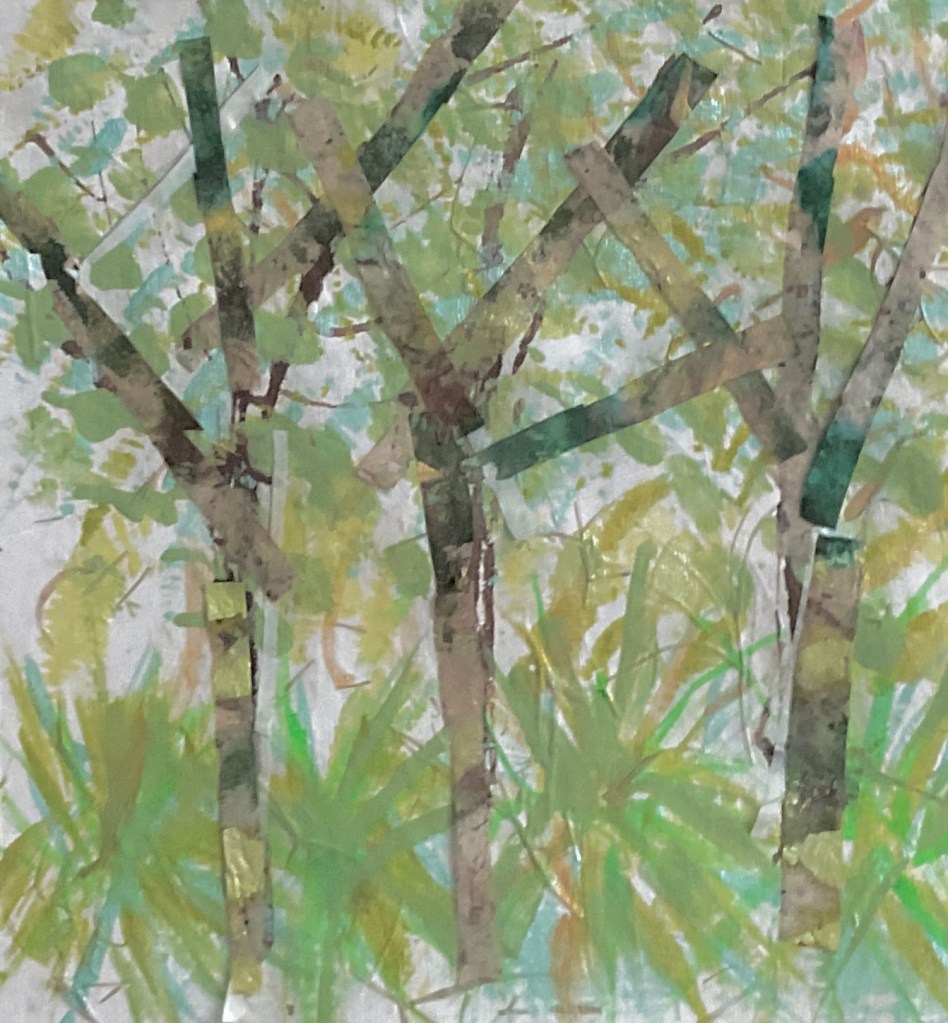
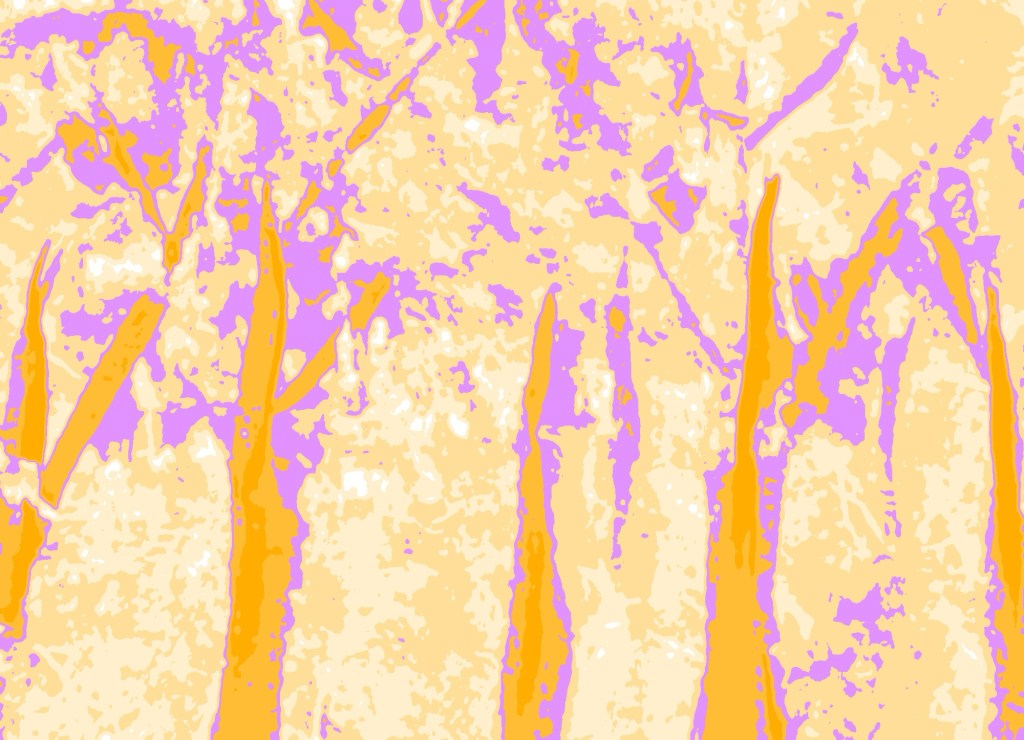
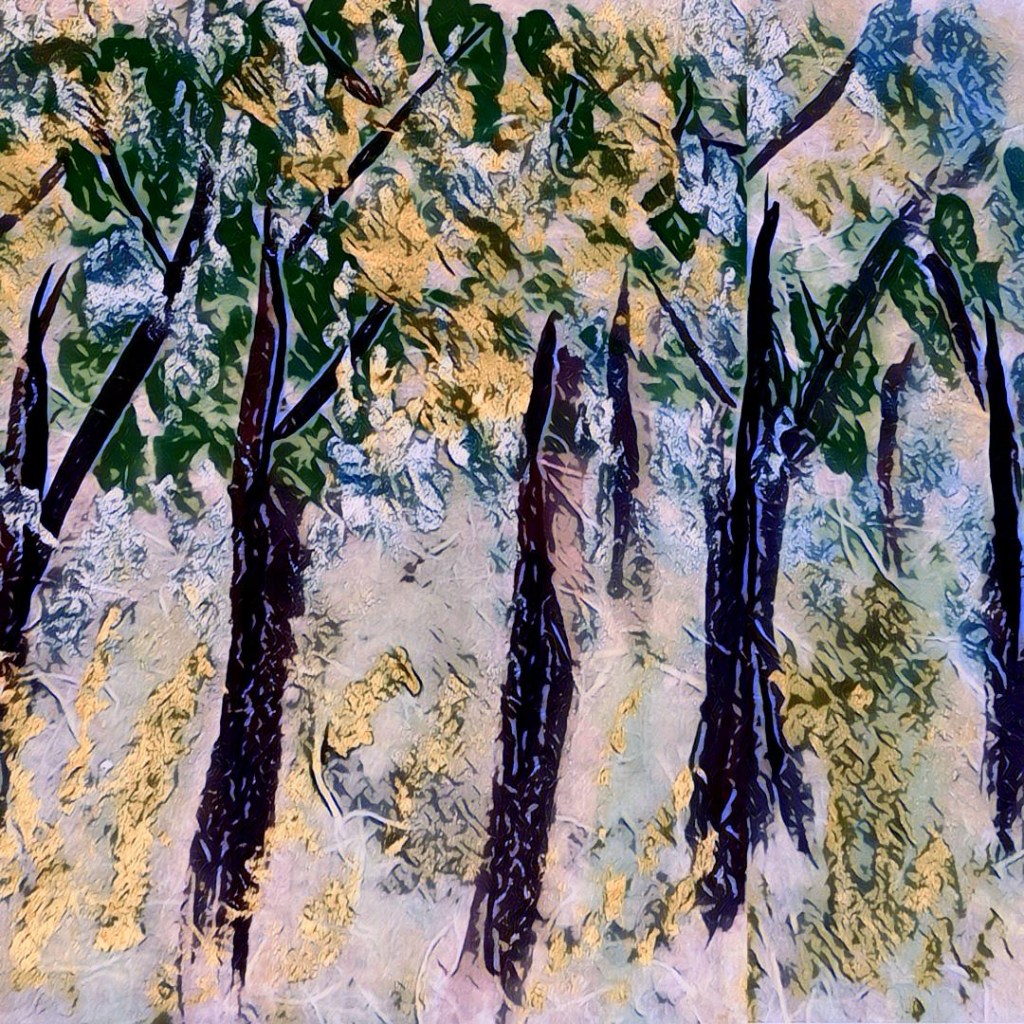
 Art by Kate W