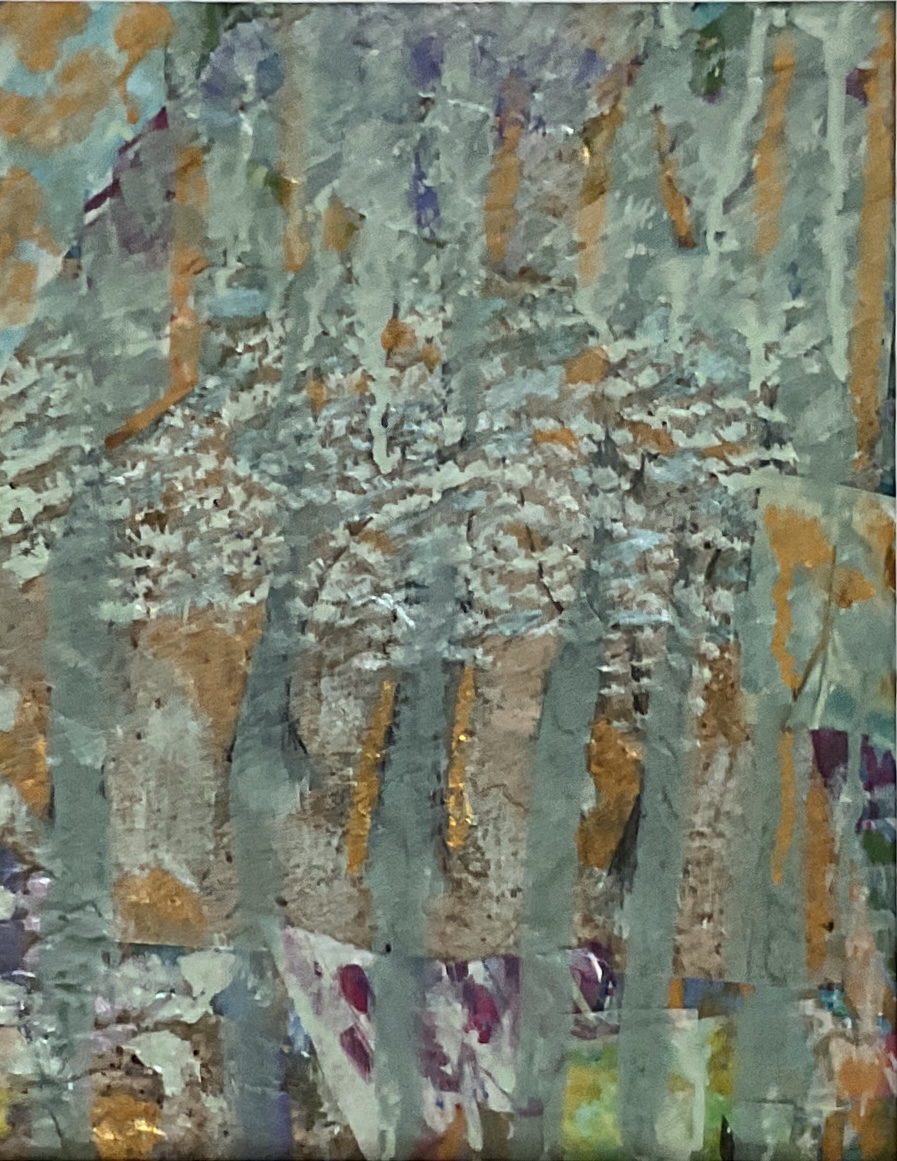
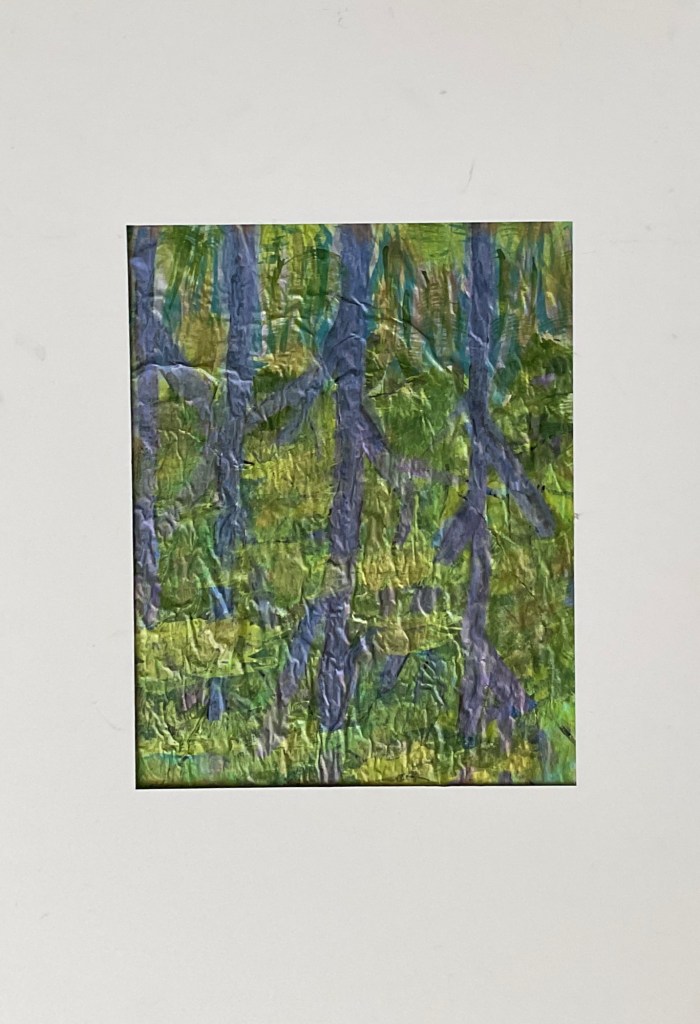
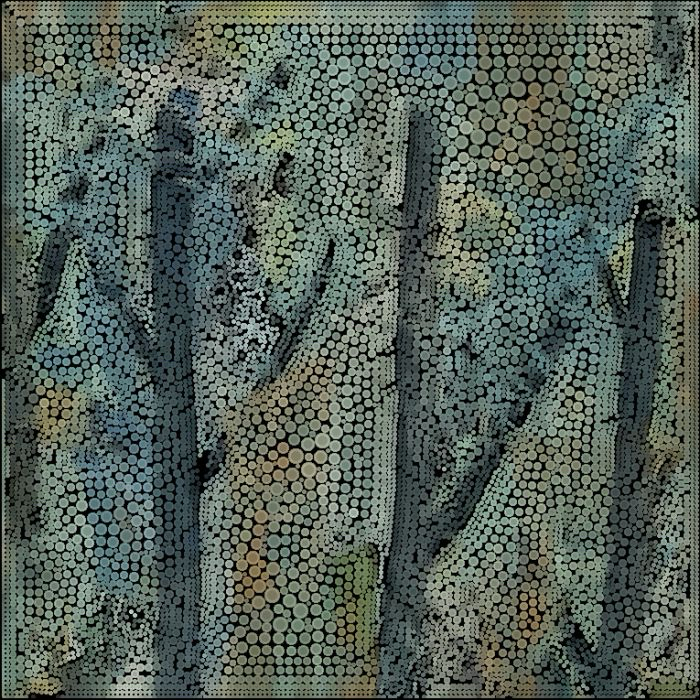
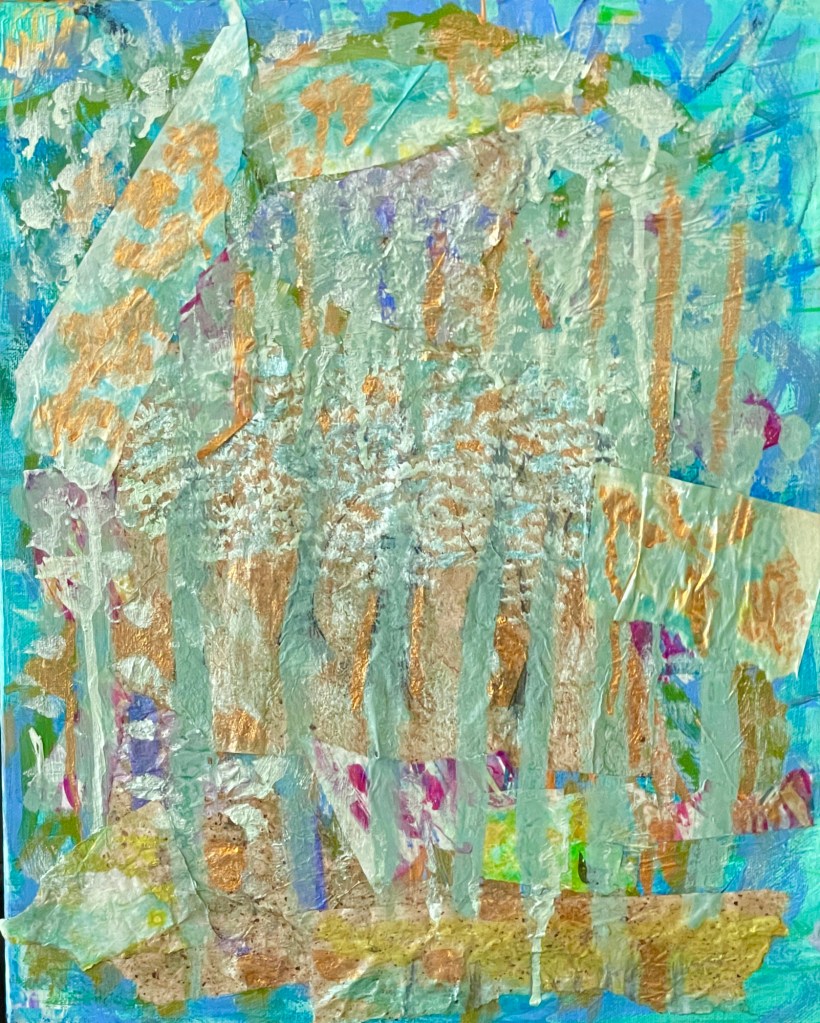
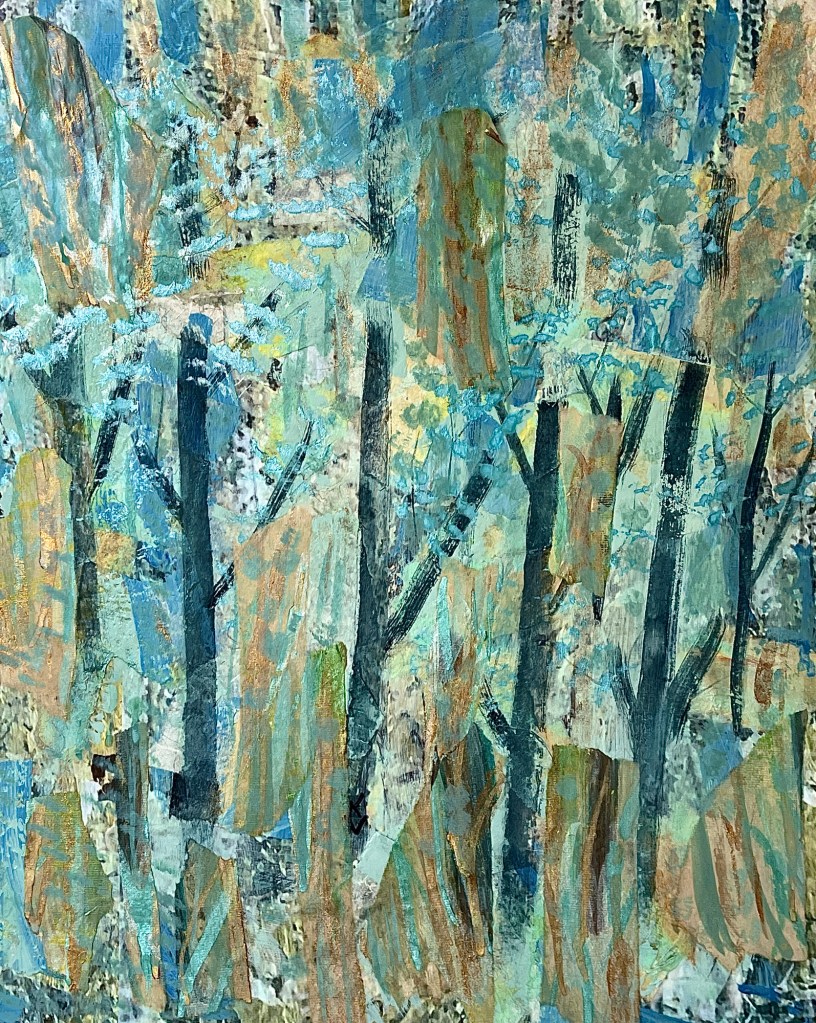
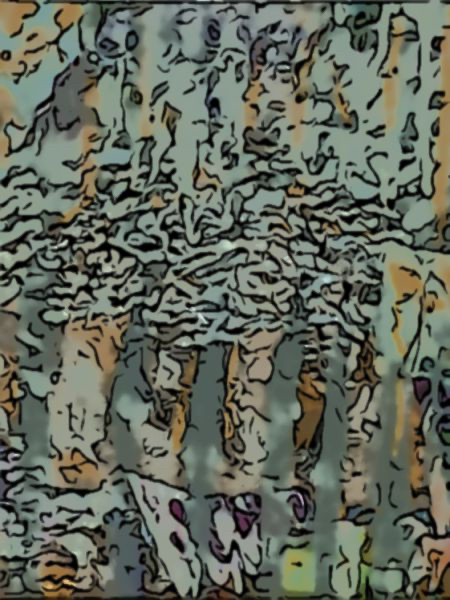
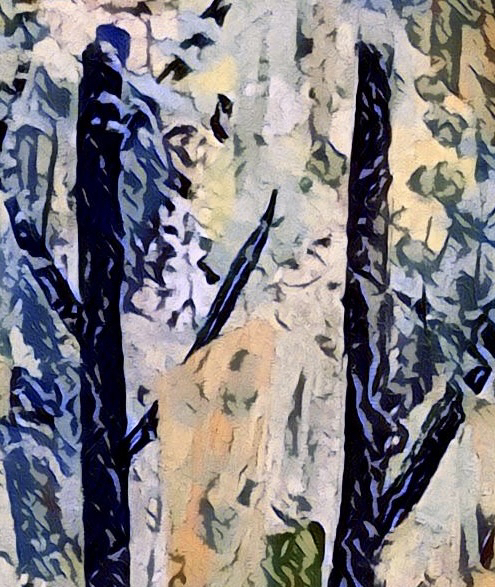
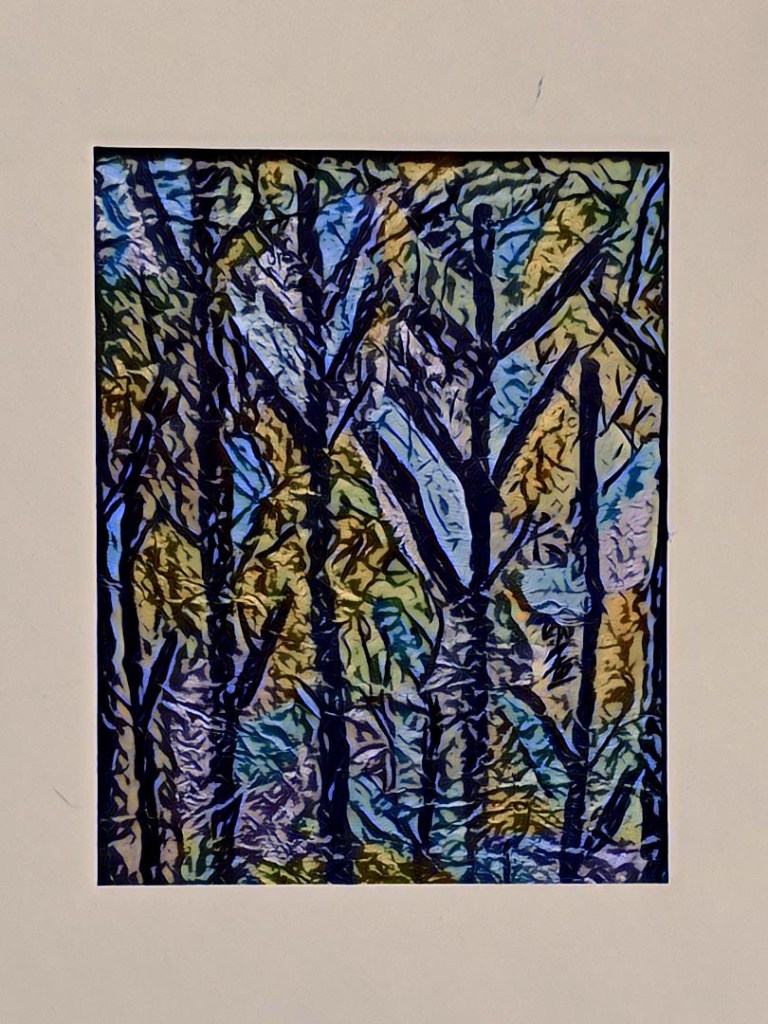
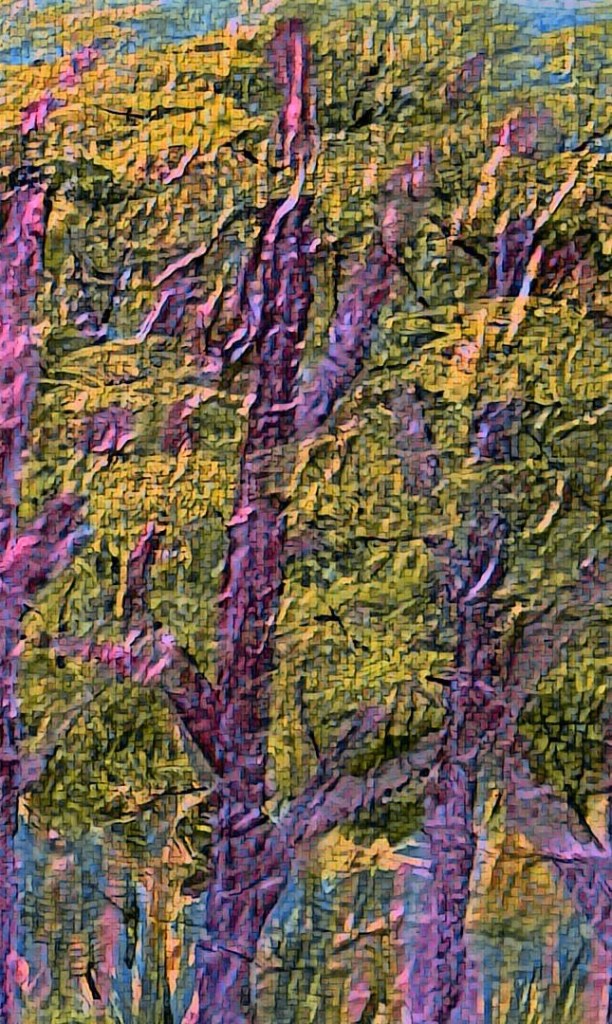
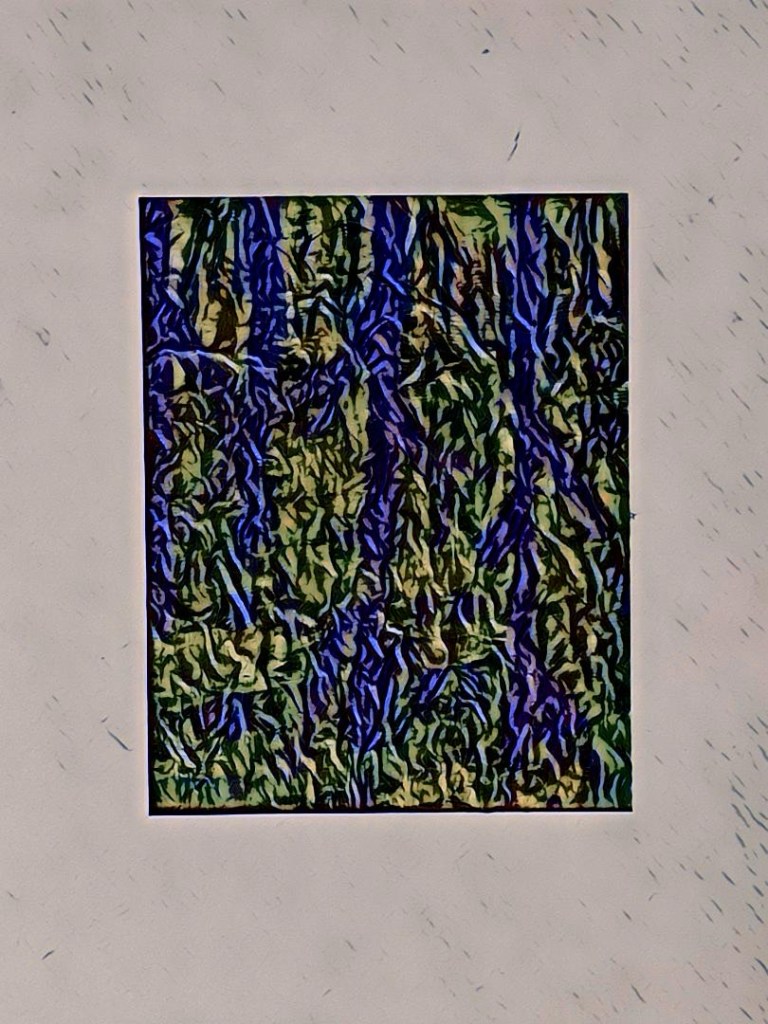
Importantly, the work does not announce its critique. Adorno insists that art’s political force lies in its autonomy, not in didactic messaging. These images do not preach ecological collapse or patriarchal domination; instead, they formalize non-reconciliation. So according to Adorno, They are unresolved, non-identity, and therefore honest.
In short:
The work is critical not because it depicts oppression, but because it refuses reconciliation, refuses clarity, and refuses to become a consumable image of nature. In Adorno’s sense, it allows suffering—historical, ecological, psychic—to remain legible without being redeemed nor reconciled.
 Art by Kate W