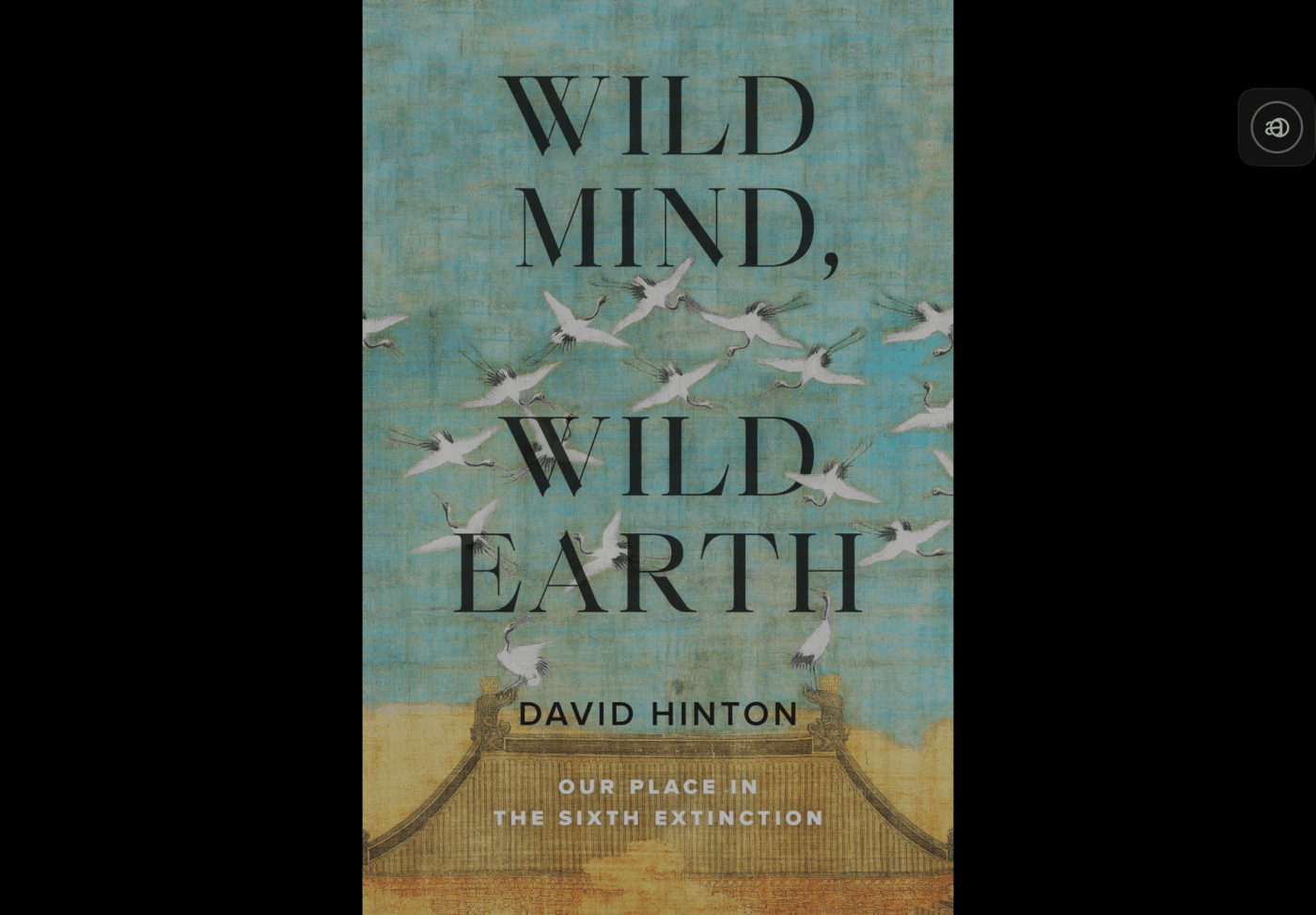
From the introduction
……a mystery, isn’t it? Because given our Western assumptions, it’s inexplicable. Ancient Greek philosophy conjured a transcendental realm of pure idea that seemed more real and true than the empirical world around us—because pure idea is changeless and therefore reliable, while wild earth is constantly changing and therefore unreliable. This transcendental realm was associated with an immortal “soul,” establishing a dualism that opens a fundamental rupture between mind and earth. That dualism set the course of Western consciousness—especially as combined with Christian theology—continuing today as an unnoticed cultural assumption that defines the very structure of our everyday experience. And it’s quite the opposite of kinship—for it tells us that we are not wild, not earth. It tells us instead that we are the noble “human,” in strict opposition to the fundamentally other and lesser “nature.”
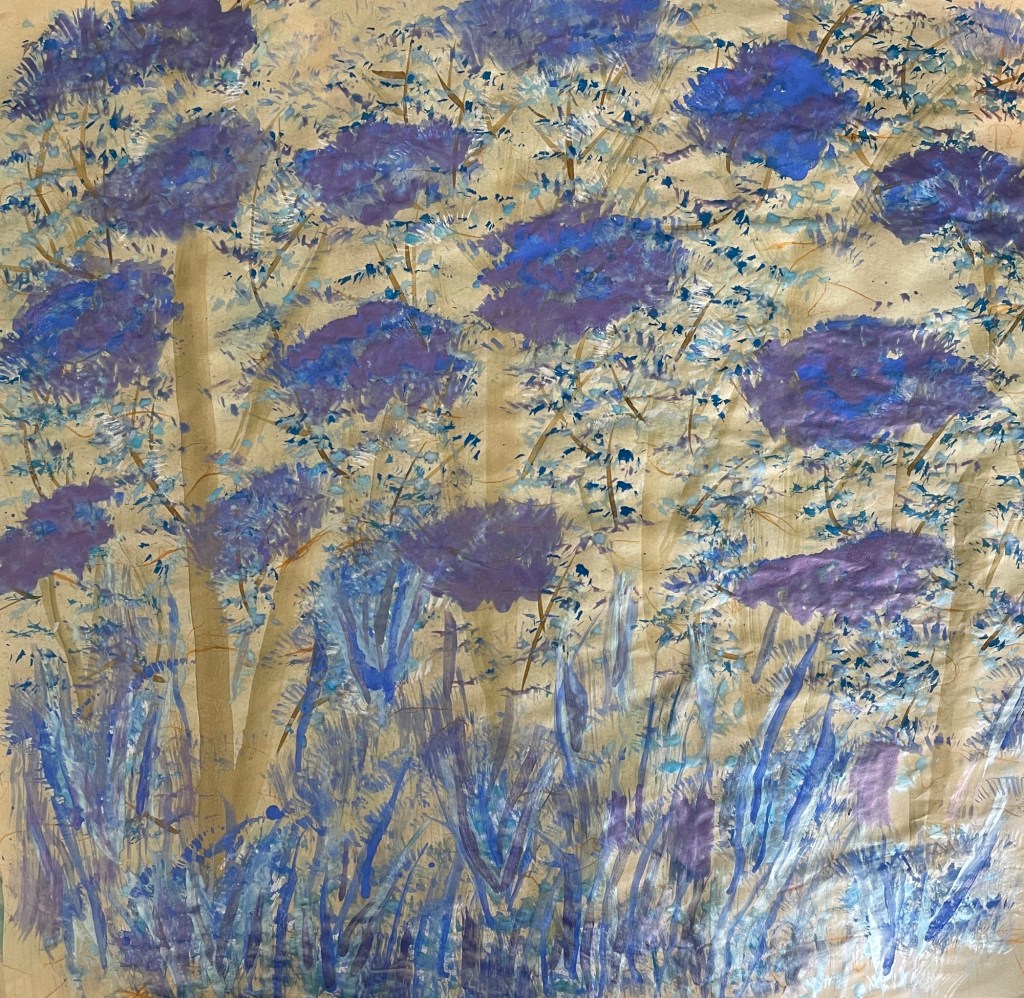
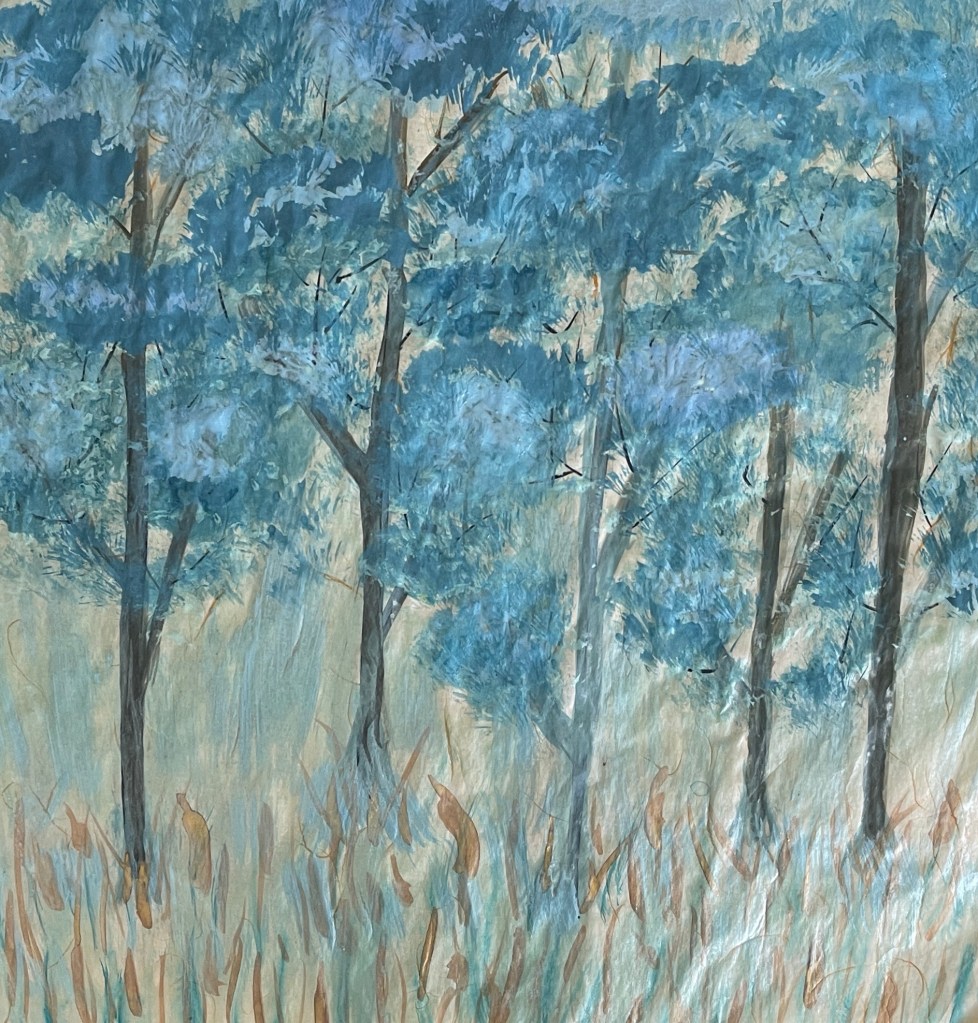
My thoughts: We are all connected with stardust, therefore with the cosmos and each other.
D.Hinton We instinctively need togetherness; and togetherness requires kinship. Indeed, this goes so deep that it challenges our assumptions about individual identity—for without kinship and togetherness, what are we? We curl up together and sink into that primal mystery called sleep. We wake and talk together, cook and eat, make love, and sleep again. We inhabit a single tissue of language (or it inhabits us). We are positively interfused and adrift in it—and in family, community, culture, civilization. And why would it stop with our species?
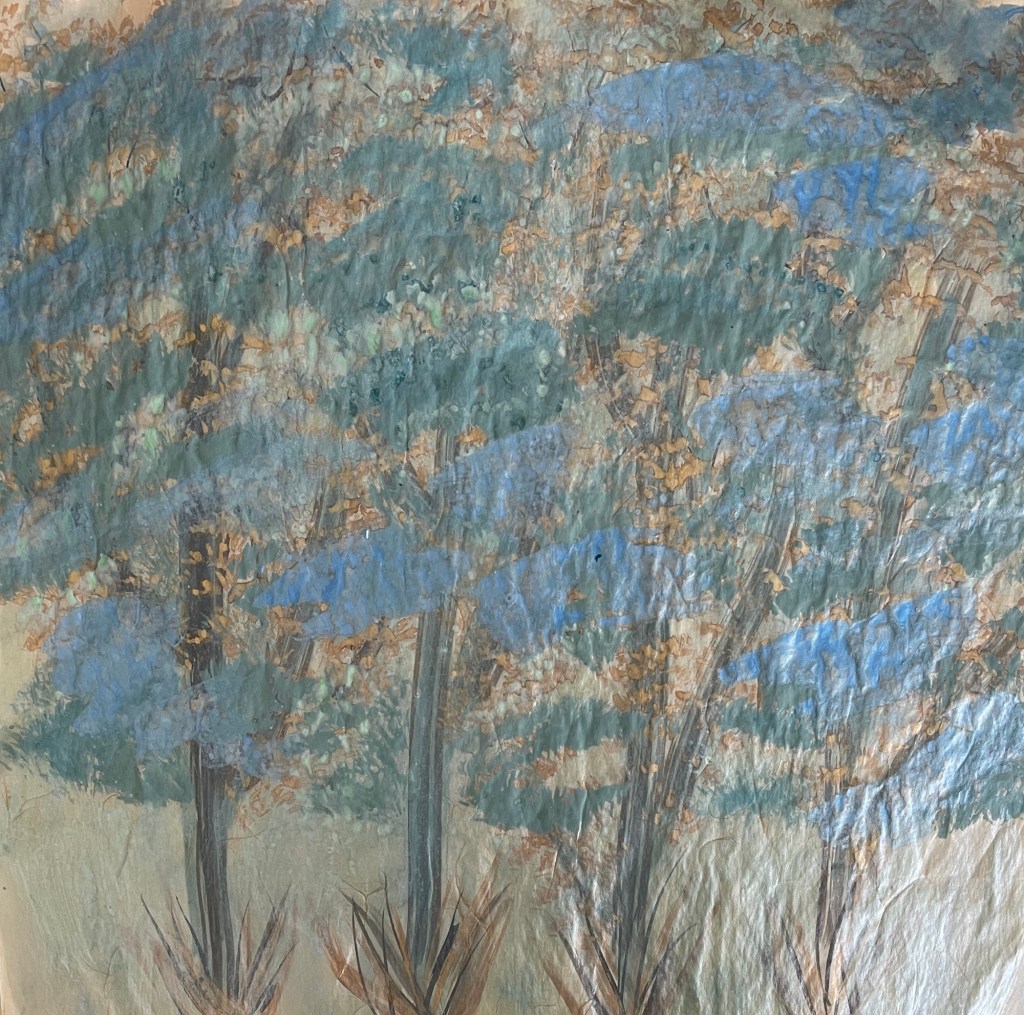
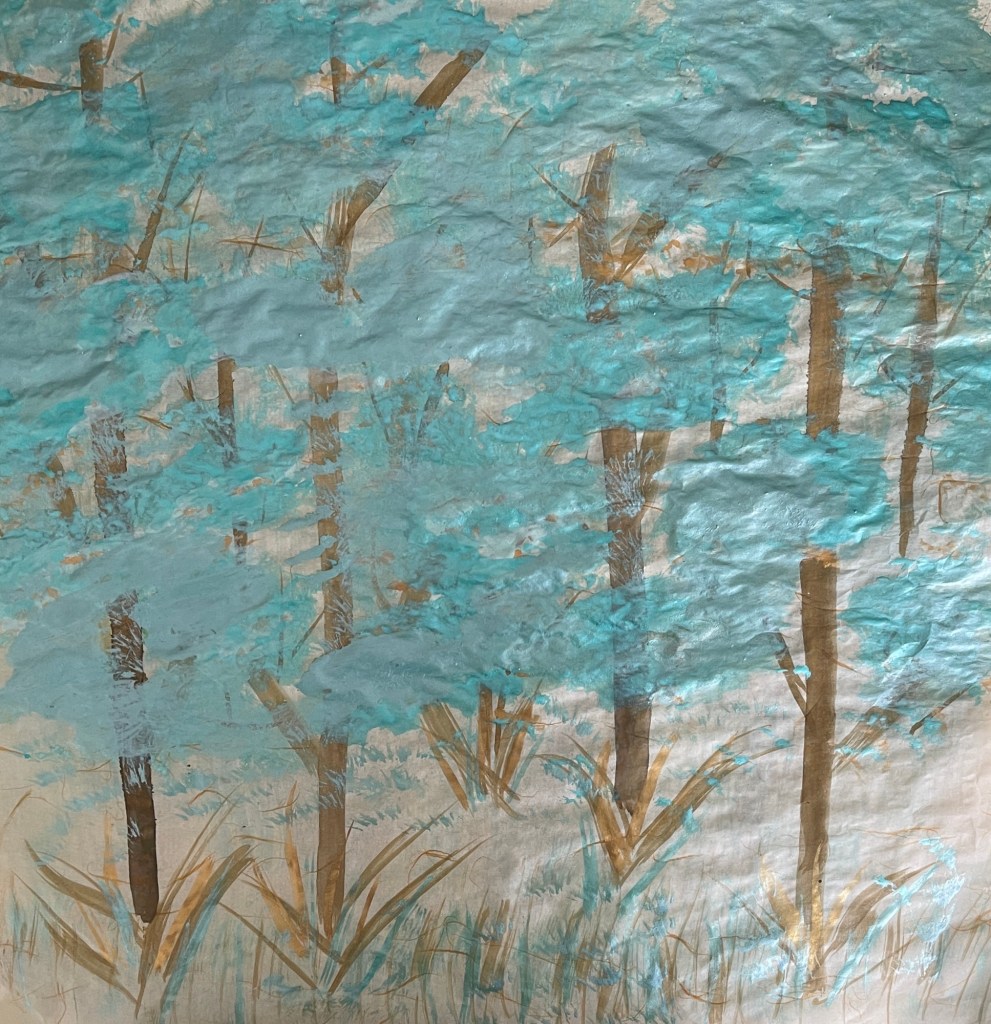
 Art by Kate W