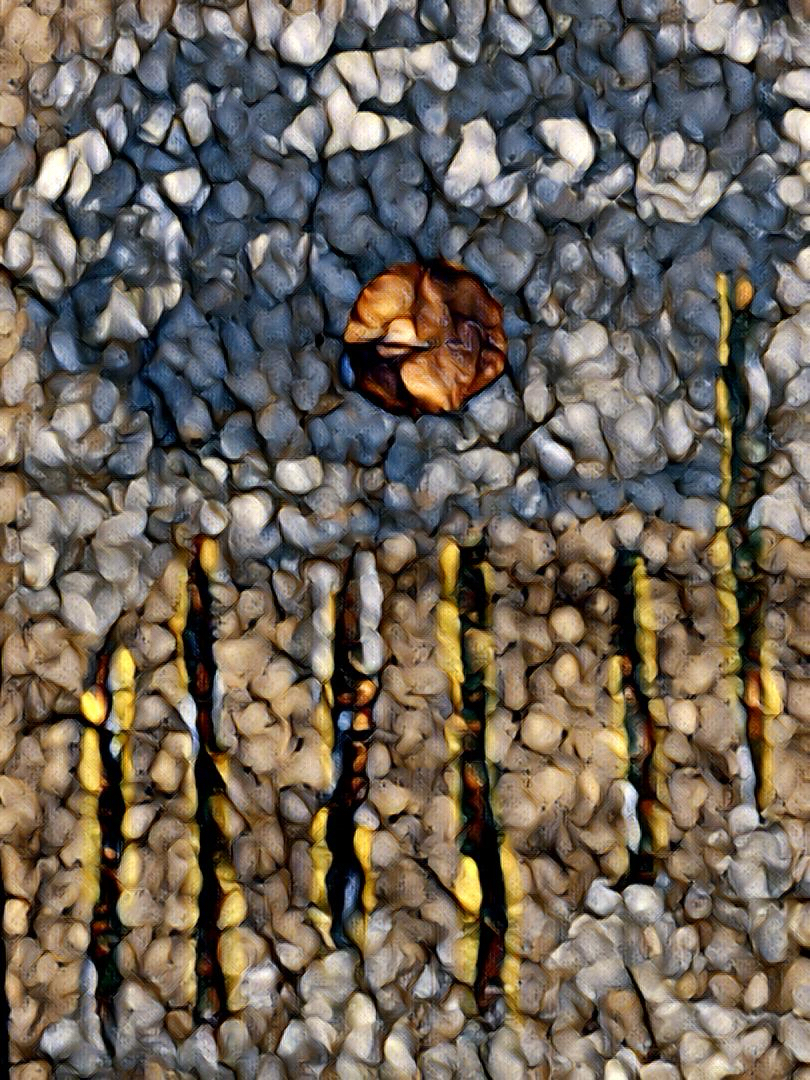
Adorno is naming the aesthetic trace of Ein Sof (Jewish mystical reference to G-d as infinity, non-identity) — but his Philosophy of Aesthetics is emptied of theology and grounded in history, economics, and art.
For Adorno this is not mysticism. It is a political metaphysics of non-identity.
Art transports not by elevating us out of the world, but by opening within the world a space that cannot be fully controlled, categorized, exploited, or owned.
This is why it is dangerous.
And why it is necessary.

The enigmaticalness of art is in its non-identity (Adorno, 1997, p. 132.)
Each viewer makes meaning. Each meaning is partial, contingent, situated. The viewer makes and gives meaning to art based on their particular experiences and knowledge. But none of those meanings is THE meaning.
There is always something: unspoken, unresolved, unfinalizable.
This is the infinite that cannot be enclosed in identity.

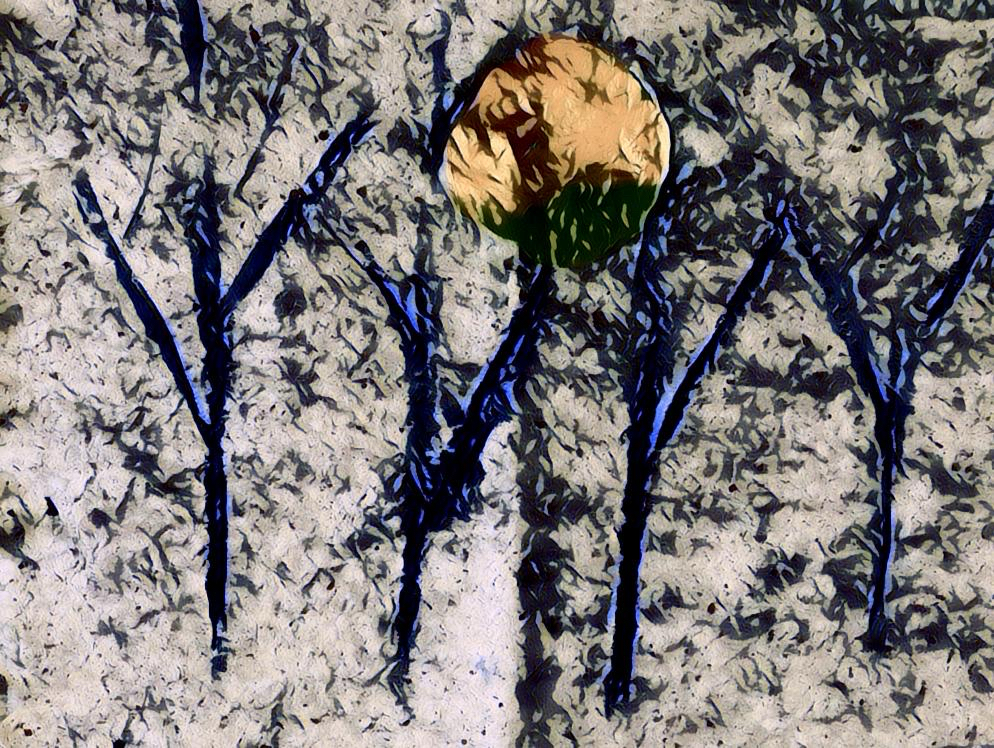
The openness of art is not relativism.
It is non-identity — meaning can never be fully captured.
This is not “anything goes.”
This is: meaning remains in motion, because the world remains unfinished.
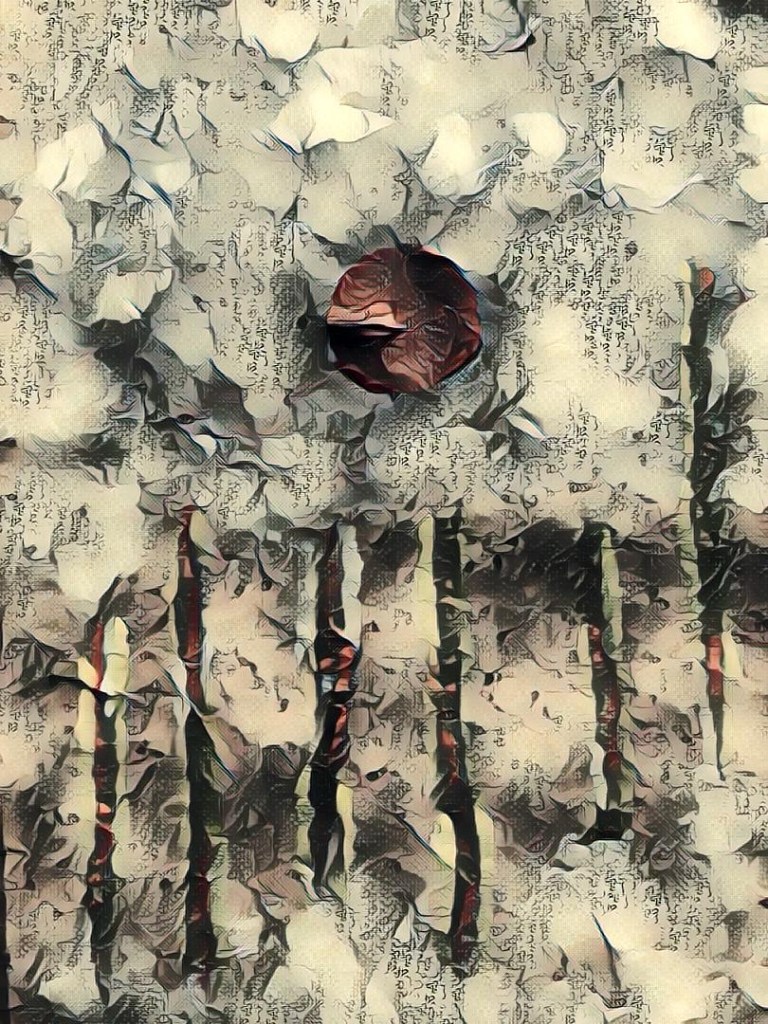
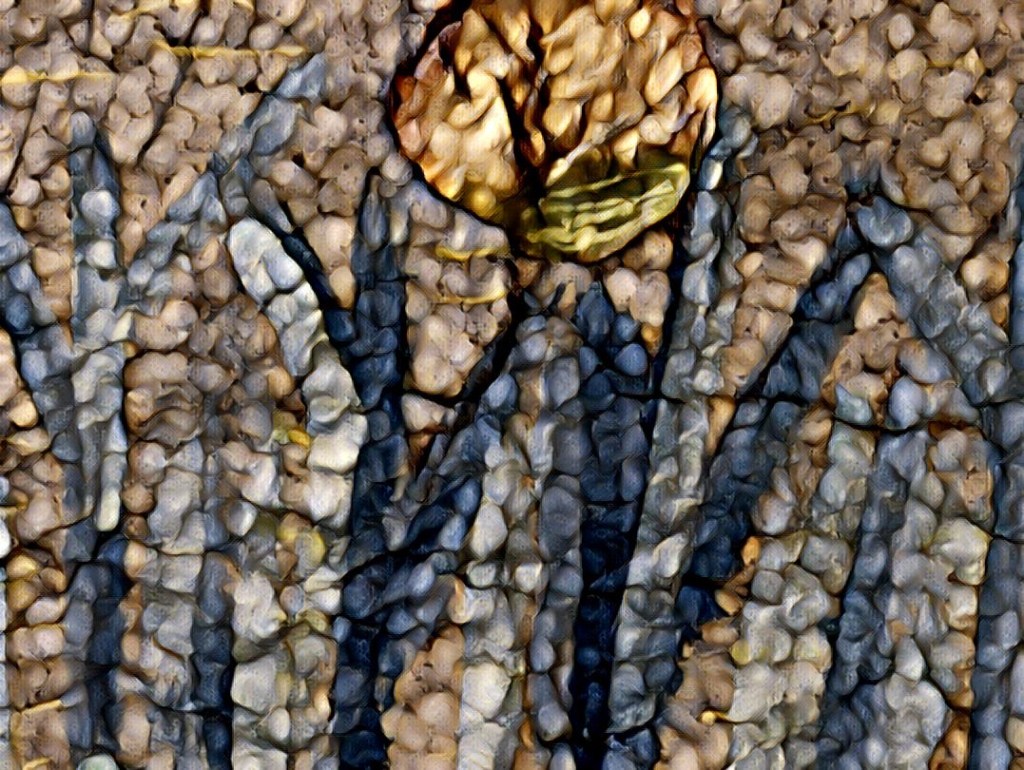
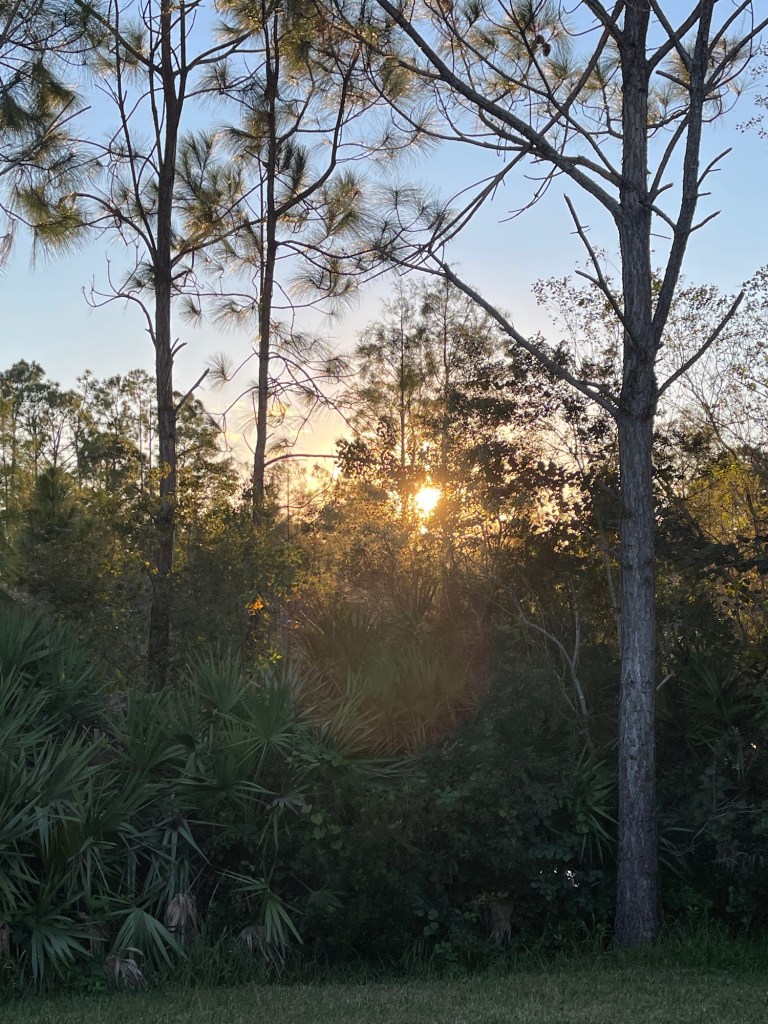
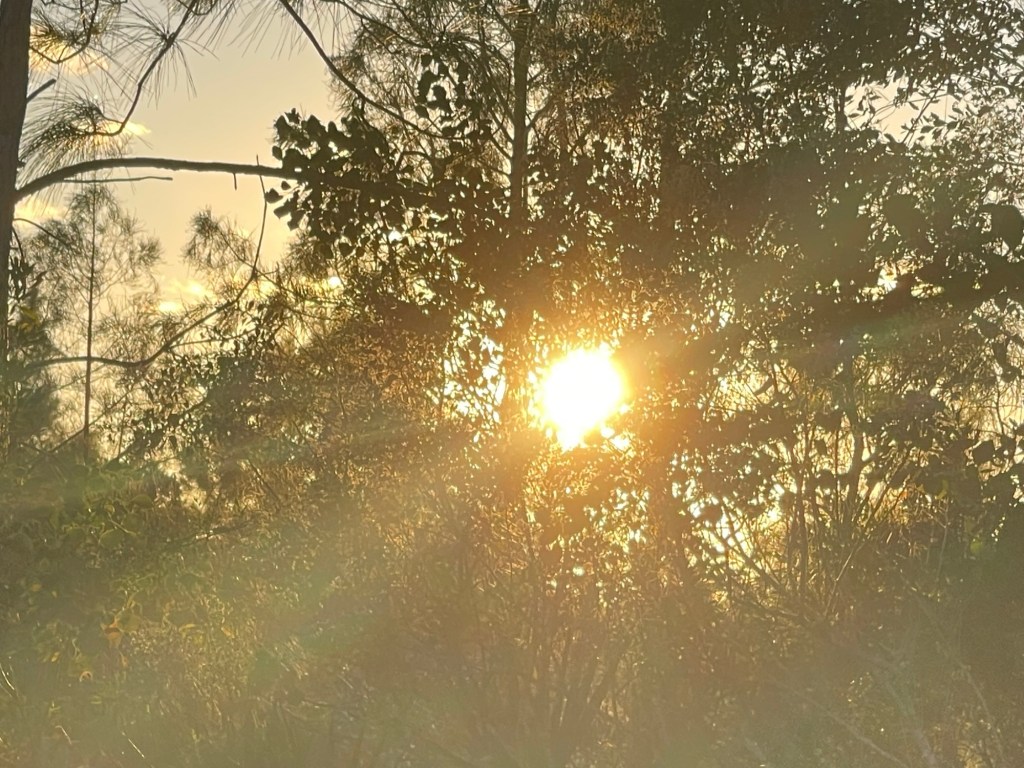

 Art by Kate W
Leave a comment