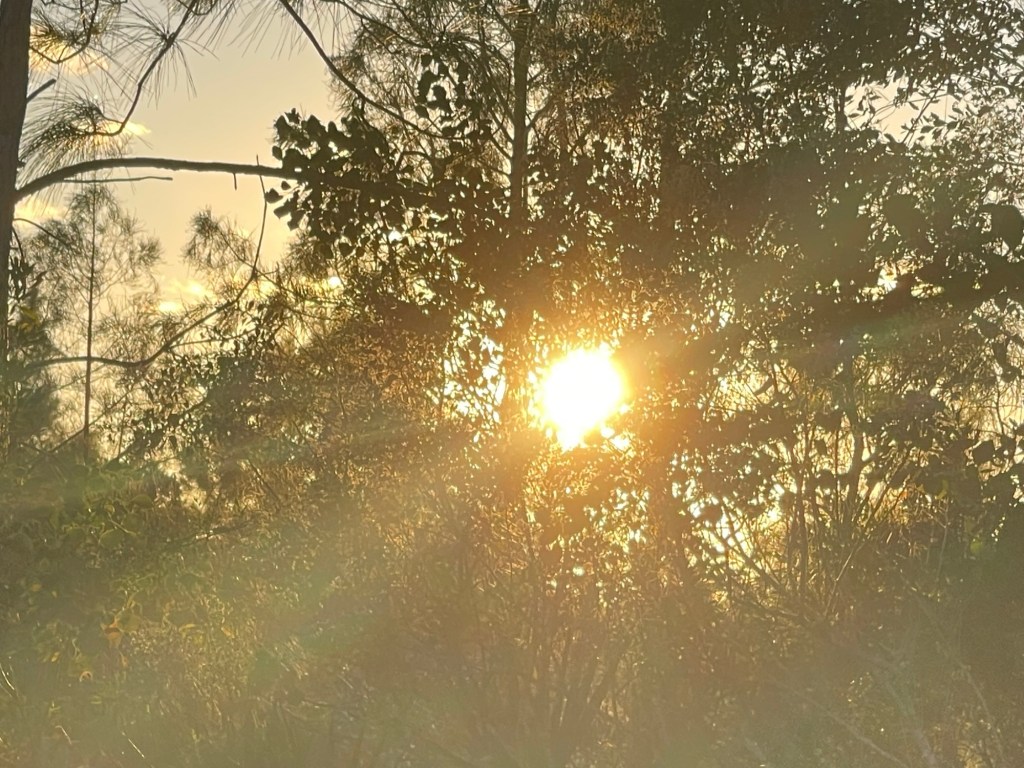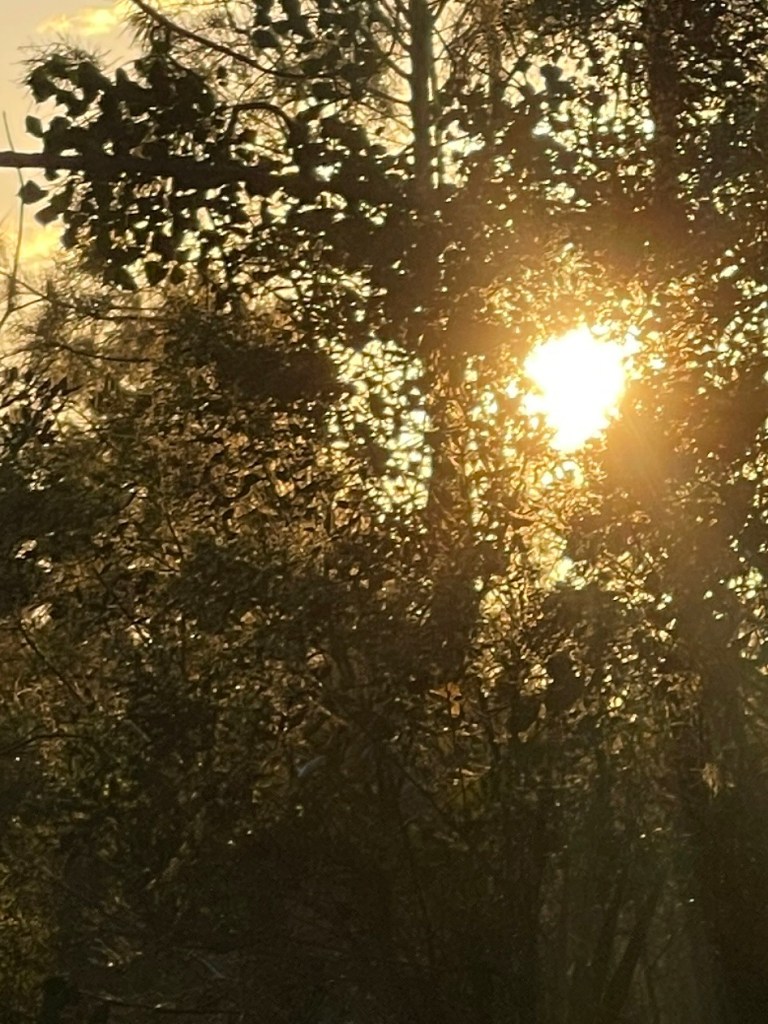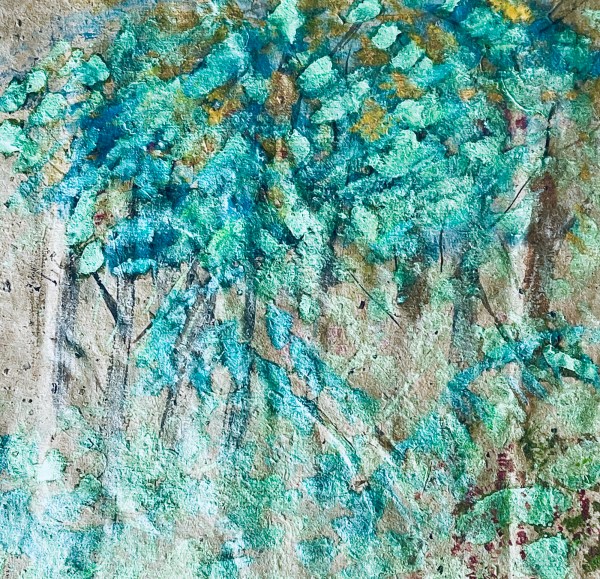
Art Journal 9/13/25

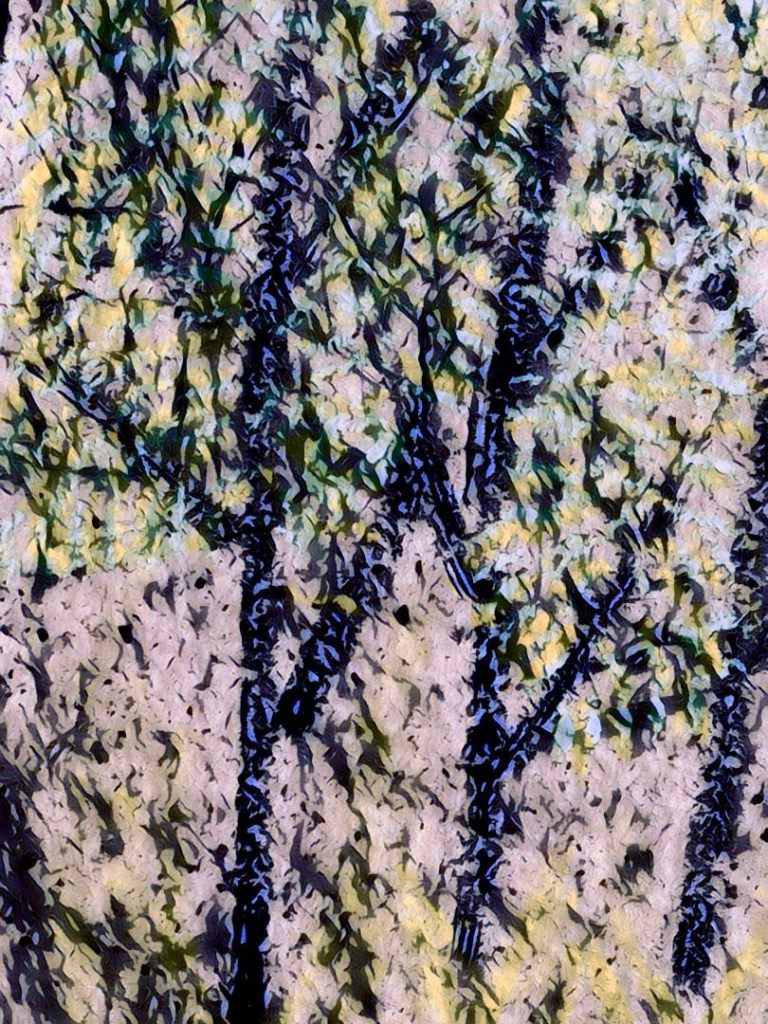
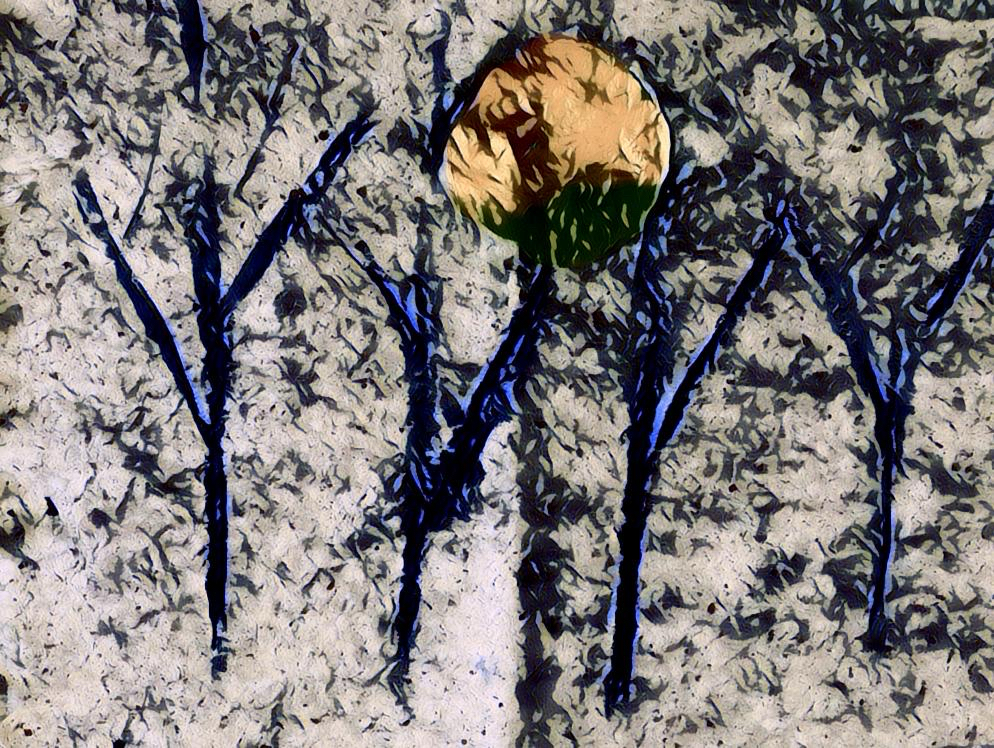
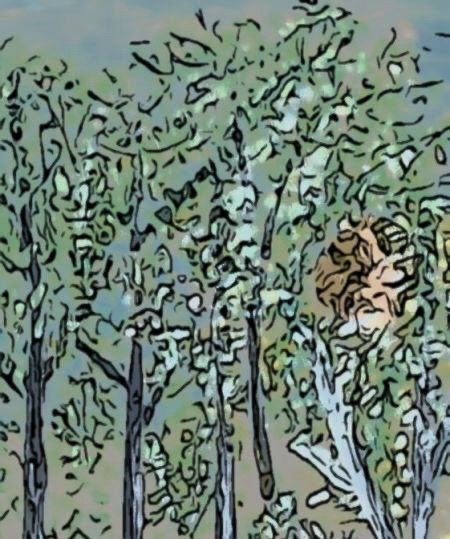
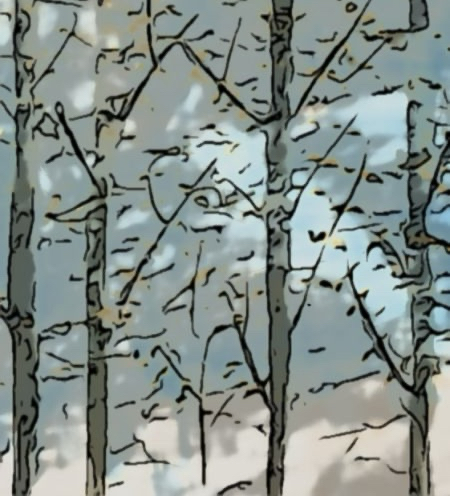
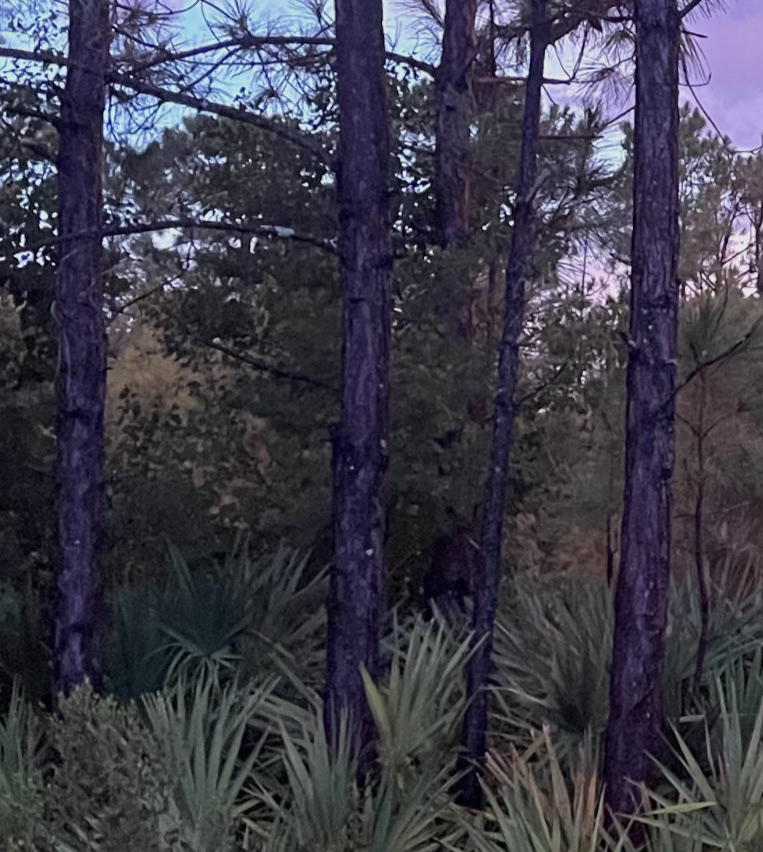
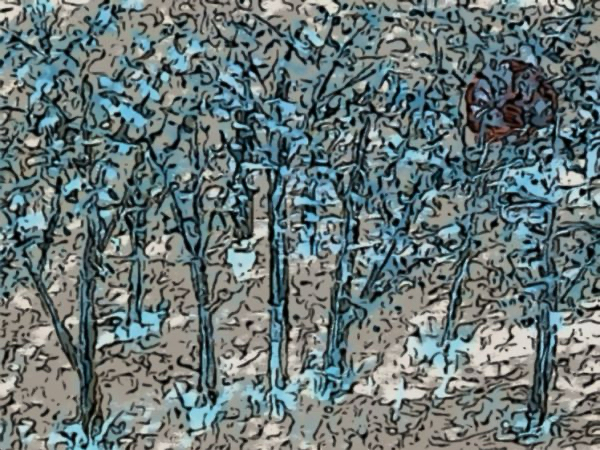
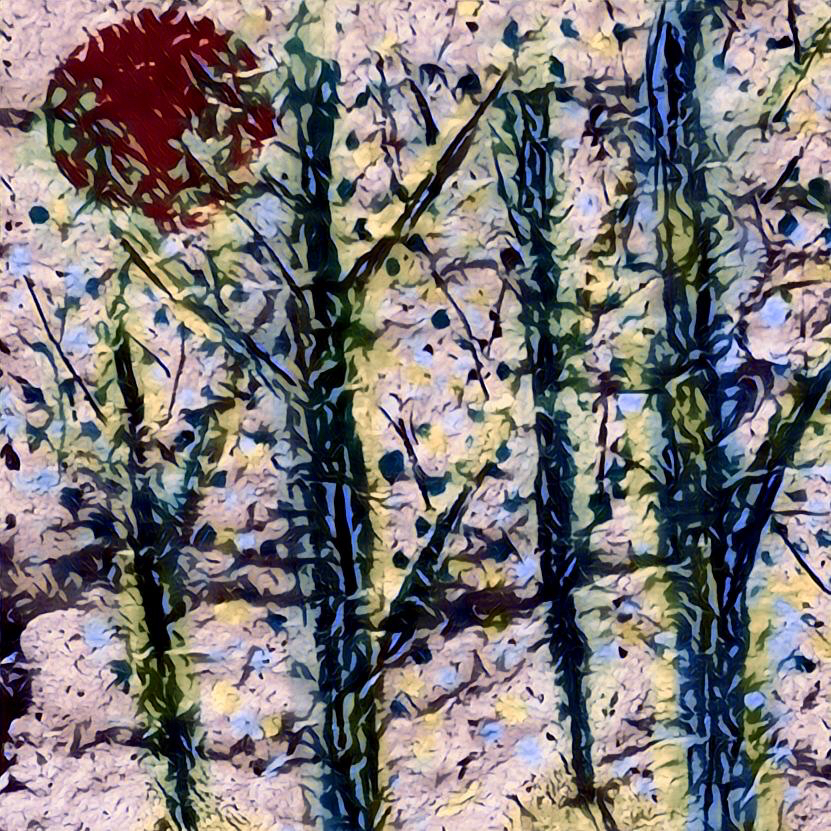
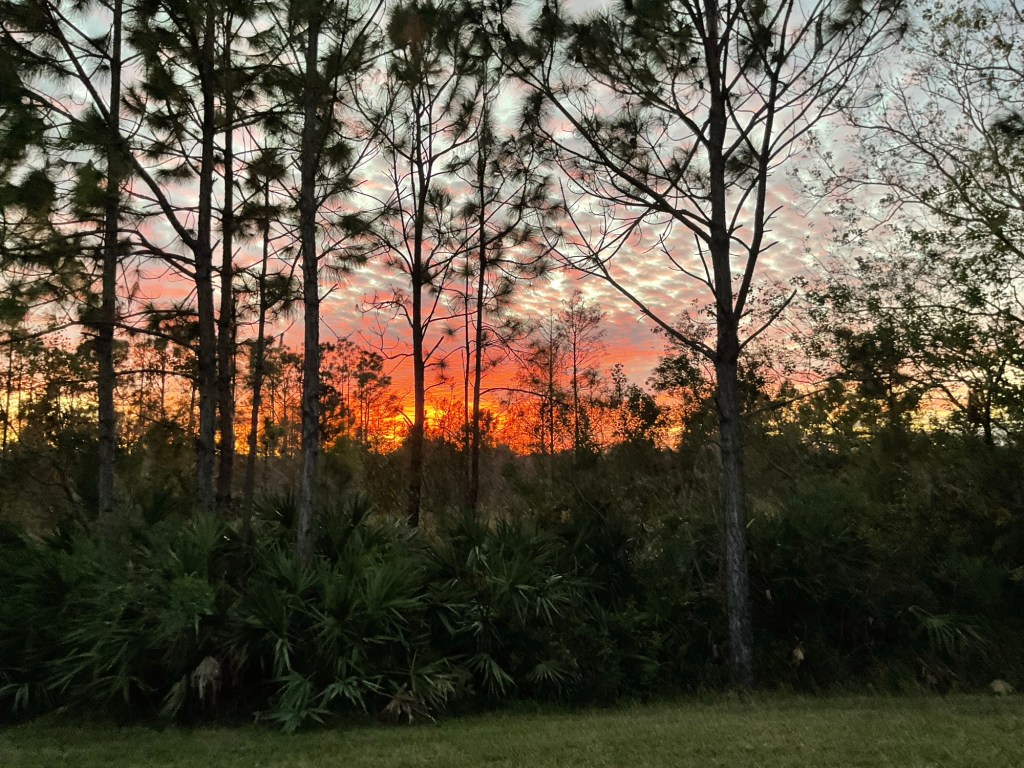
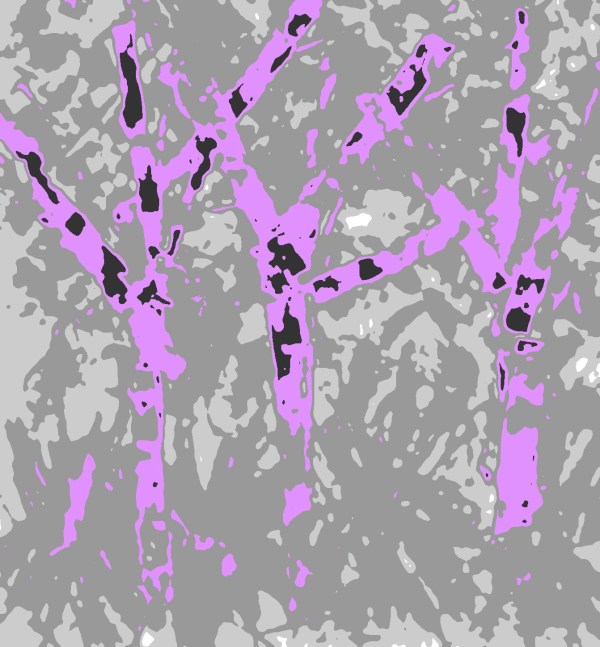
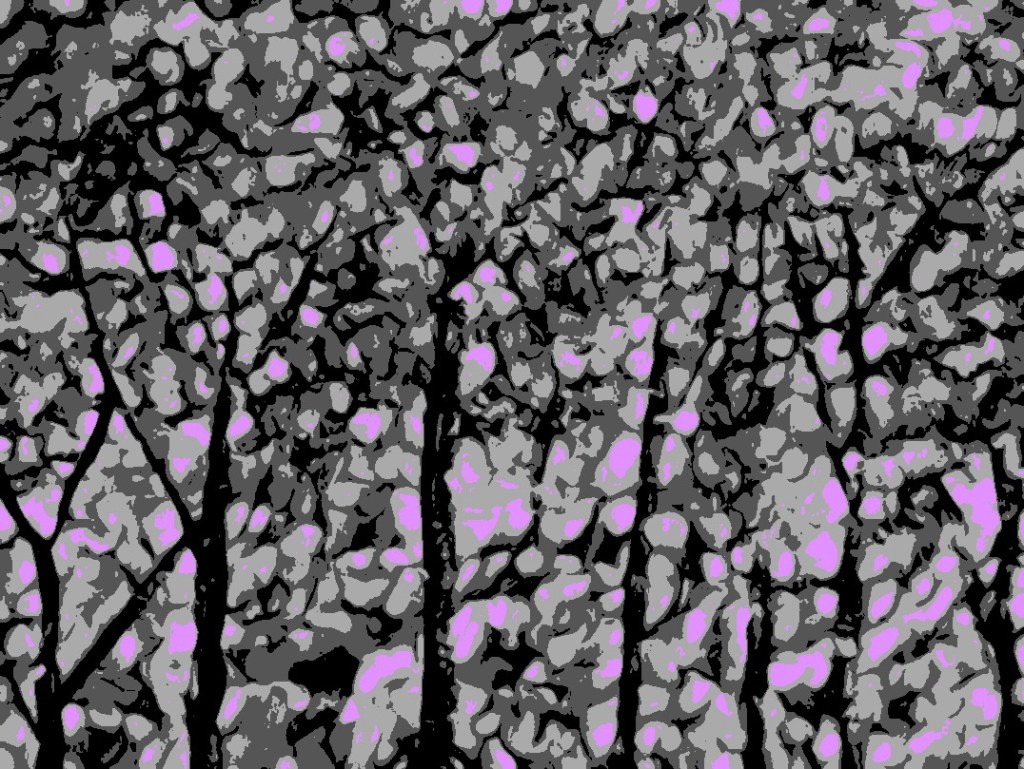
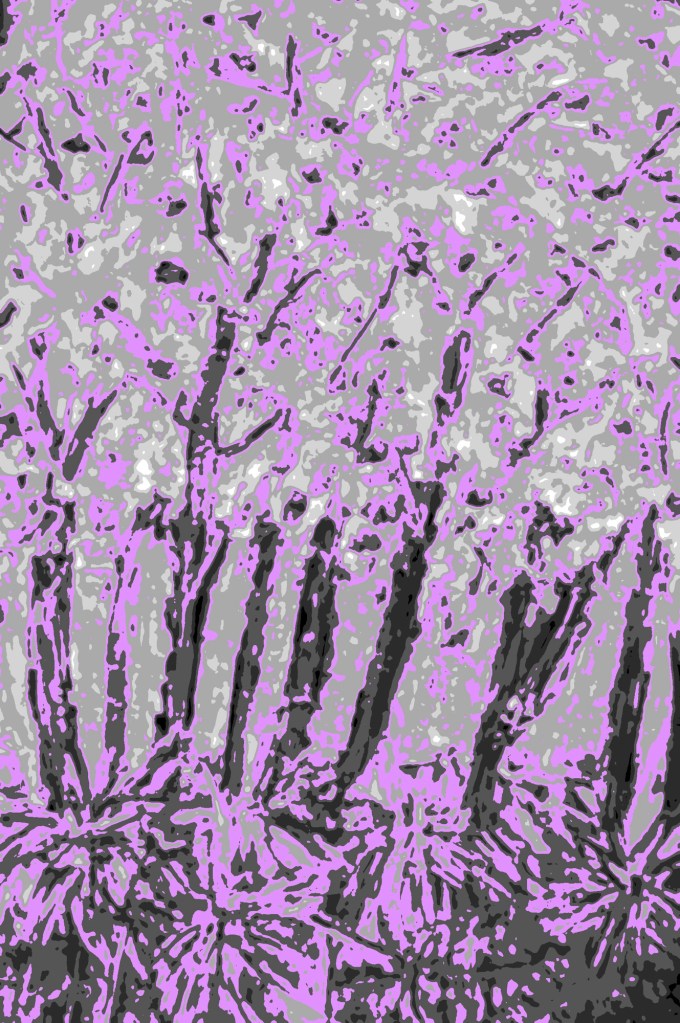
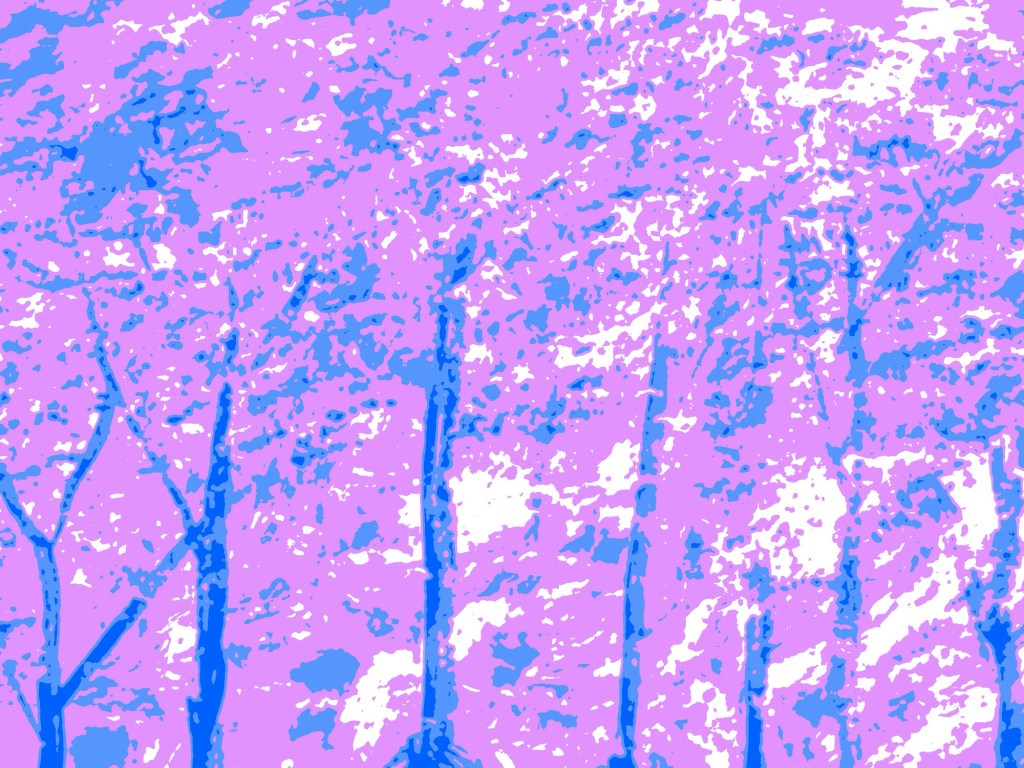
Notan Thicket: Dream in Lilac unfolds like a suspension bridge between form and color. Here, the skeletal branches and trunks weave among a delicate lattice, their gray tones tracing a network of subtle shadow leaves against a field of deep lilac. This purple expanse is not just background but a space that hovers on the edge of consciousness—where the familiar whispers of the wetlands become a fragile balance between structure and mystery, inviting a moment to linger within that shimmering boundary where the world feels both present and elusive.

Notan

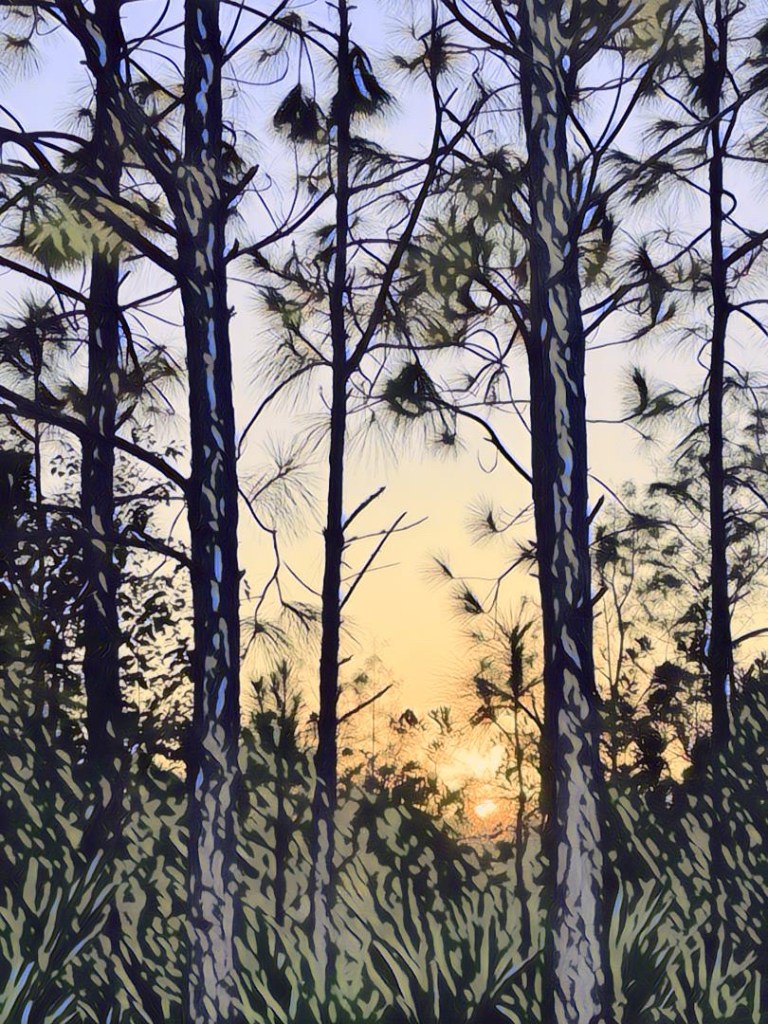
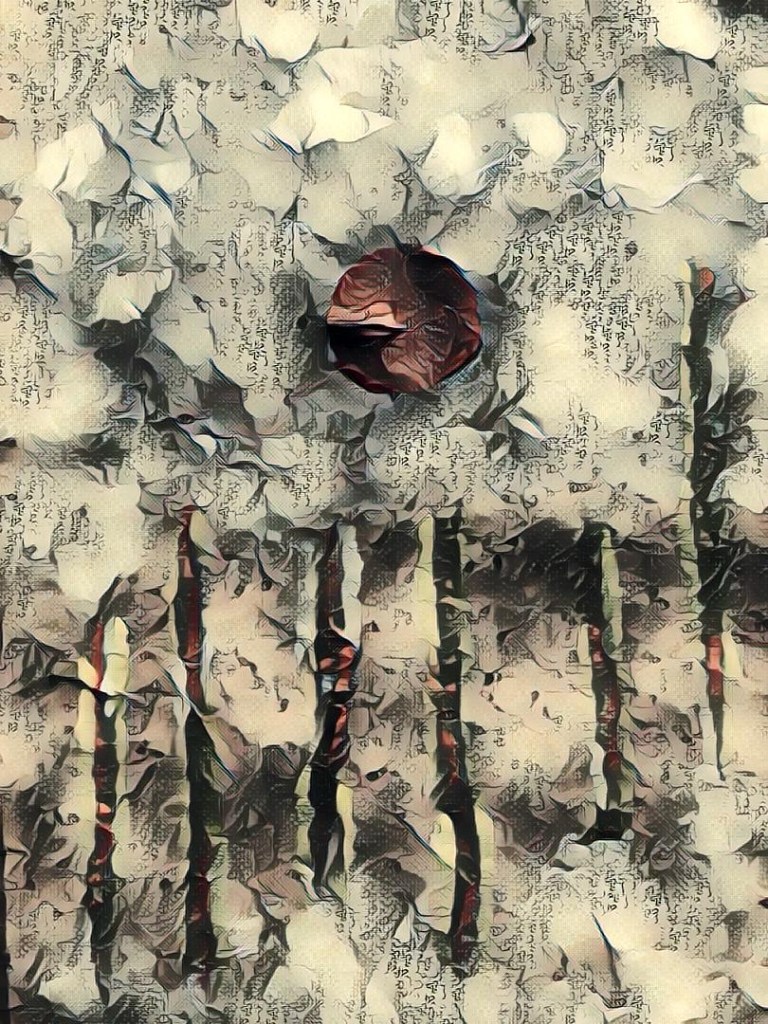
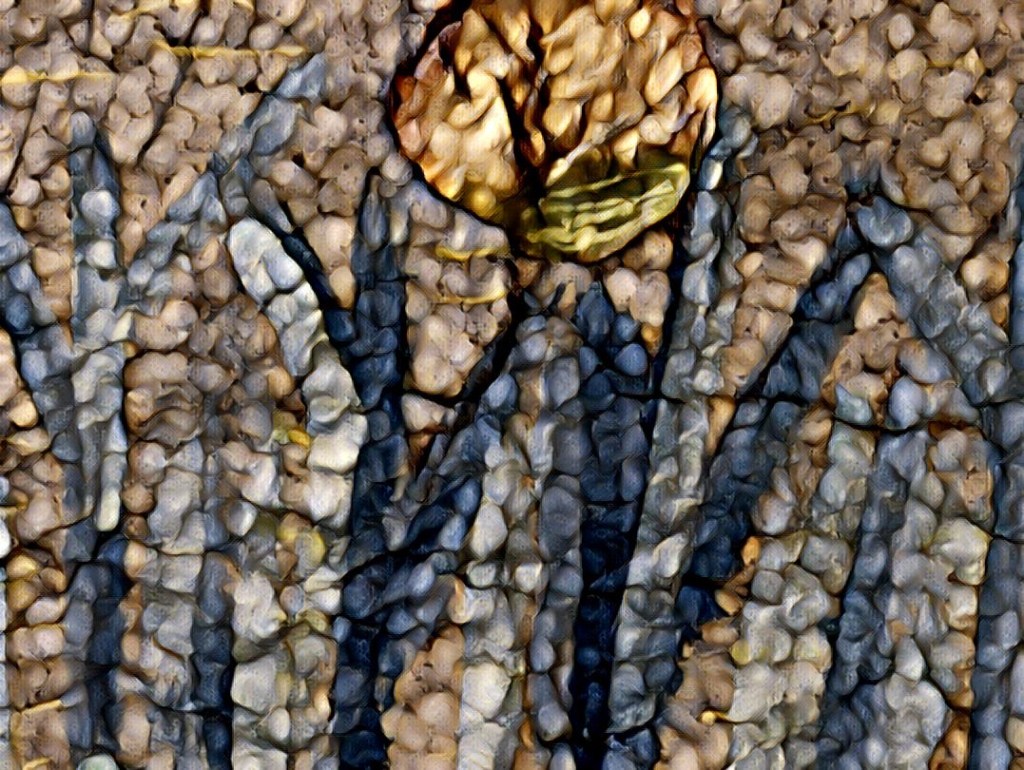
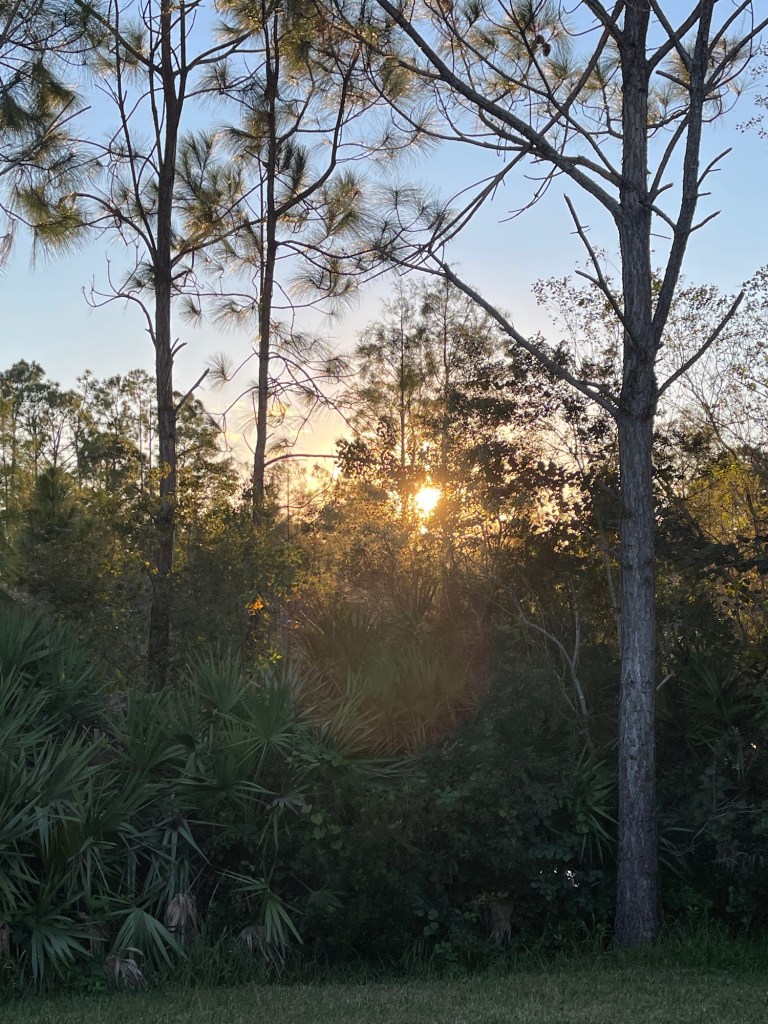
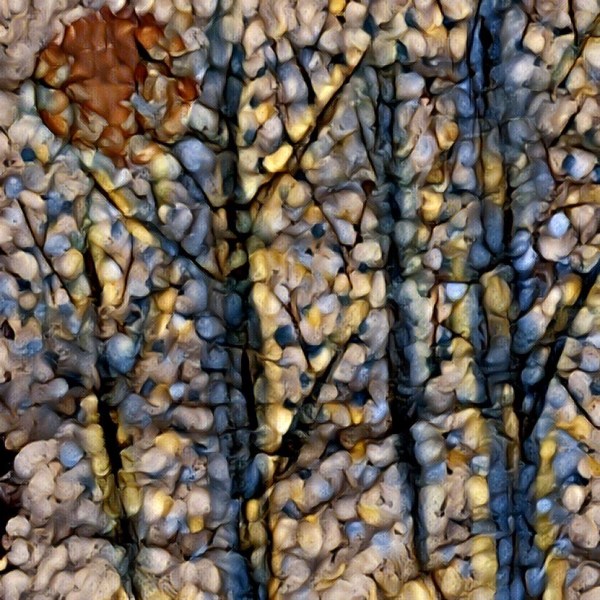
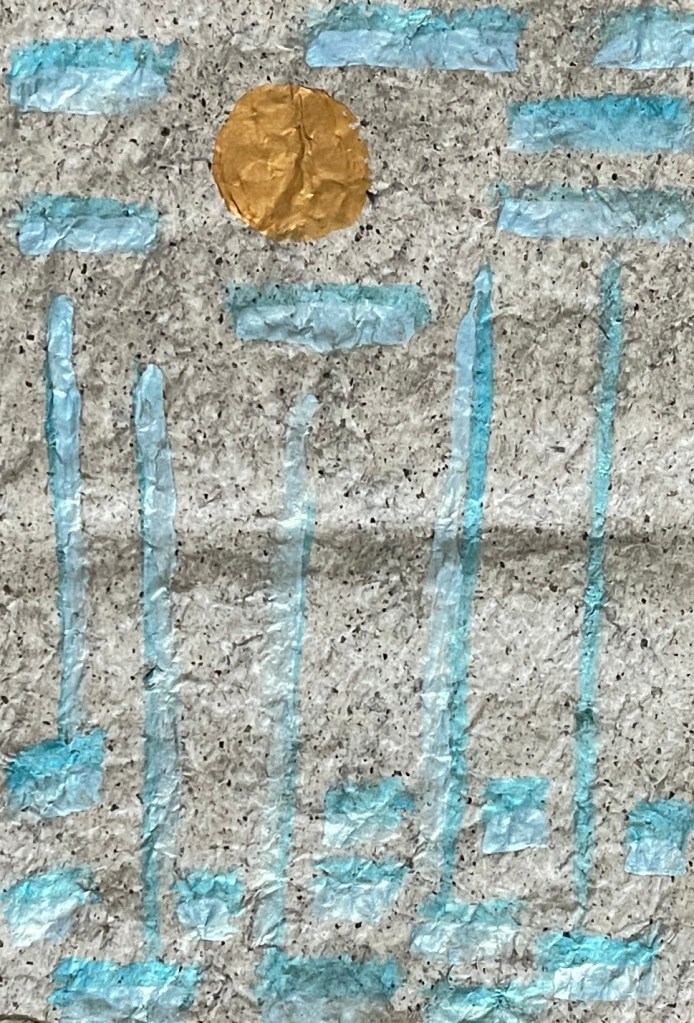
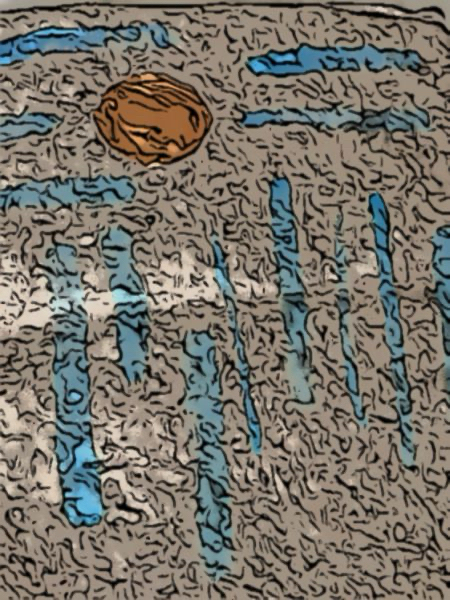
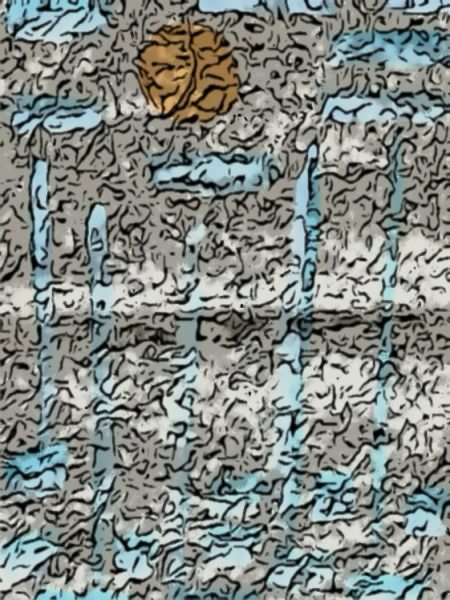
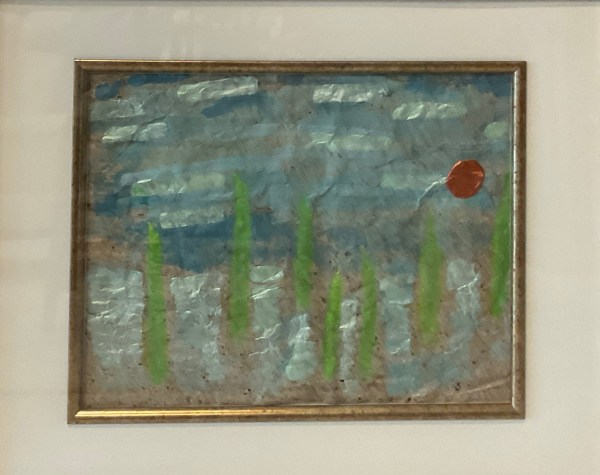
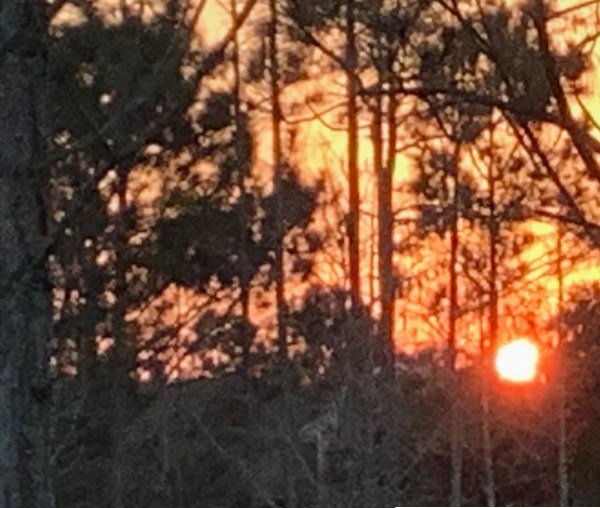
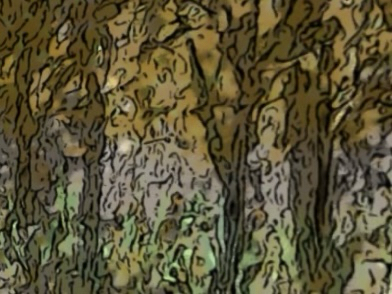
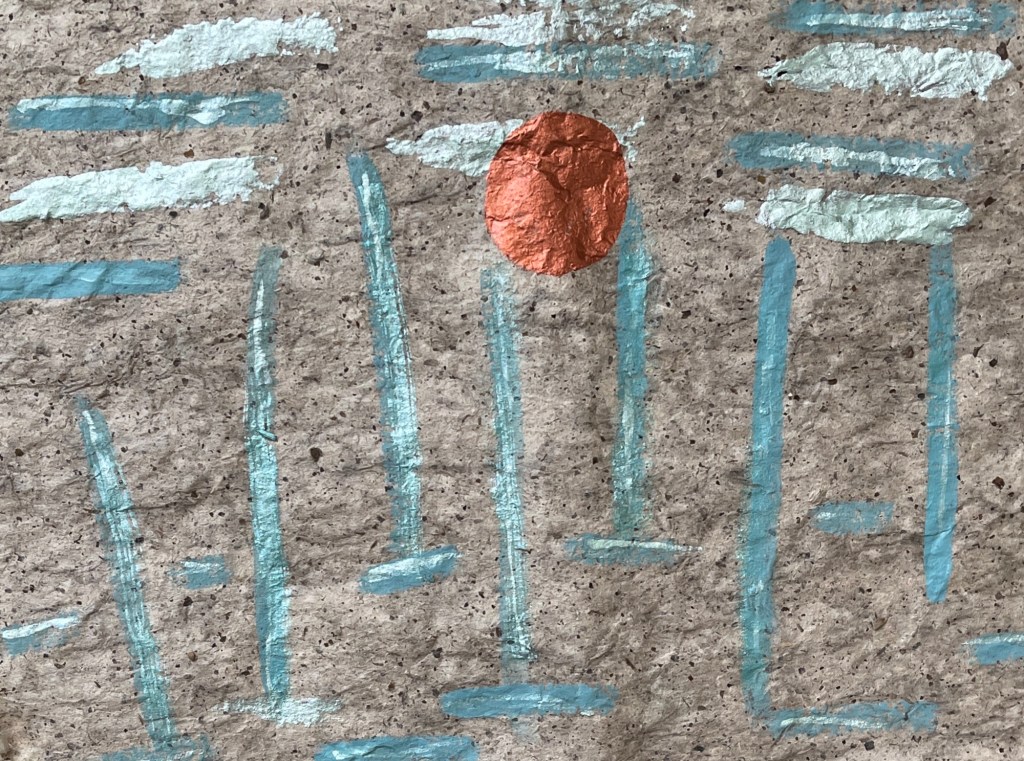
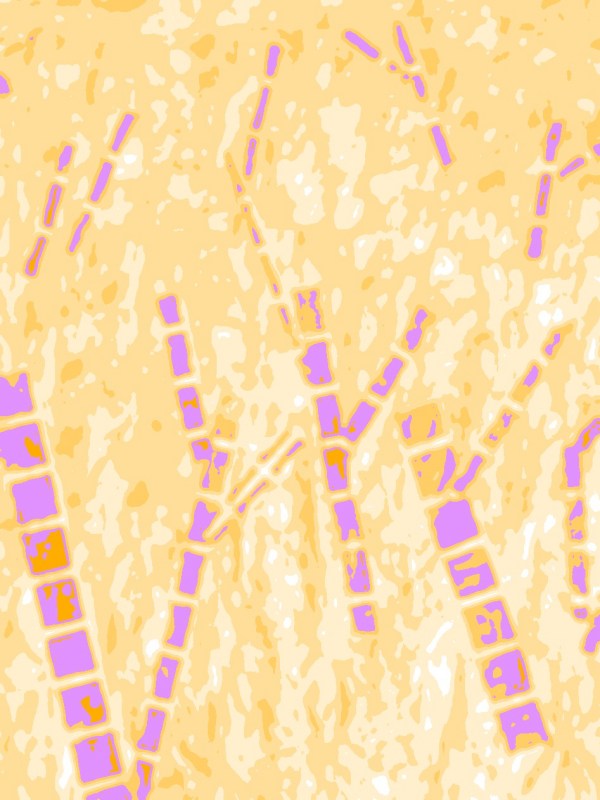
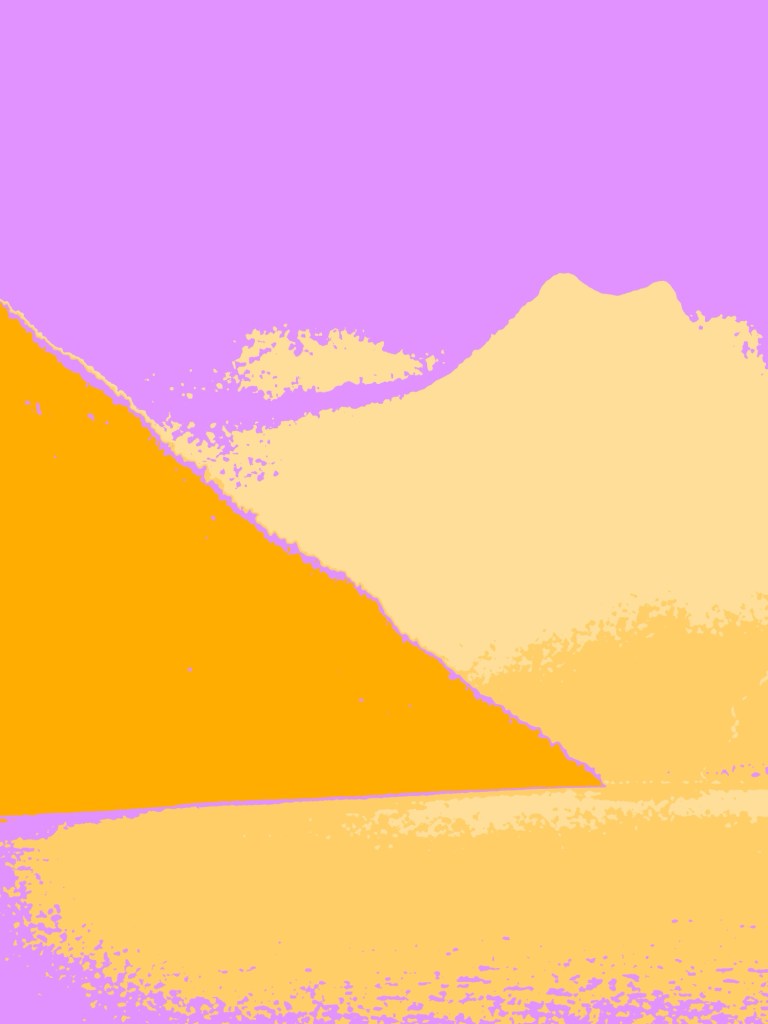
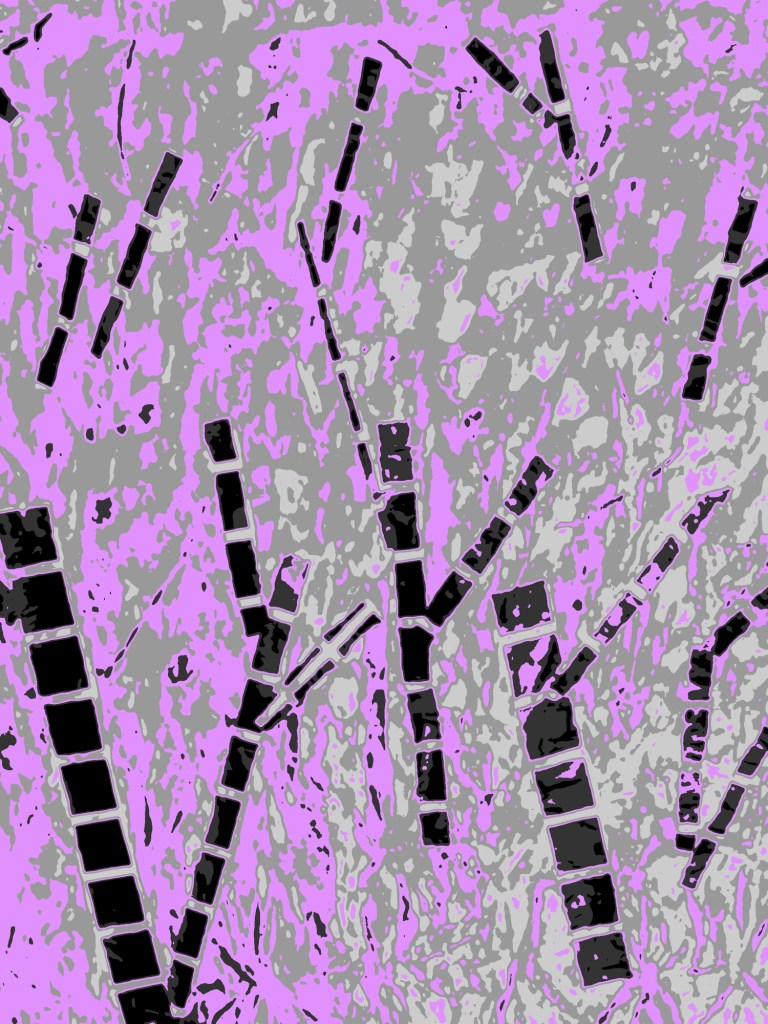
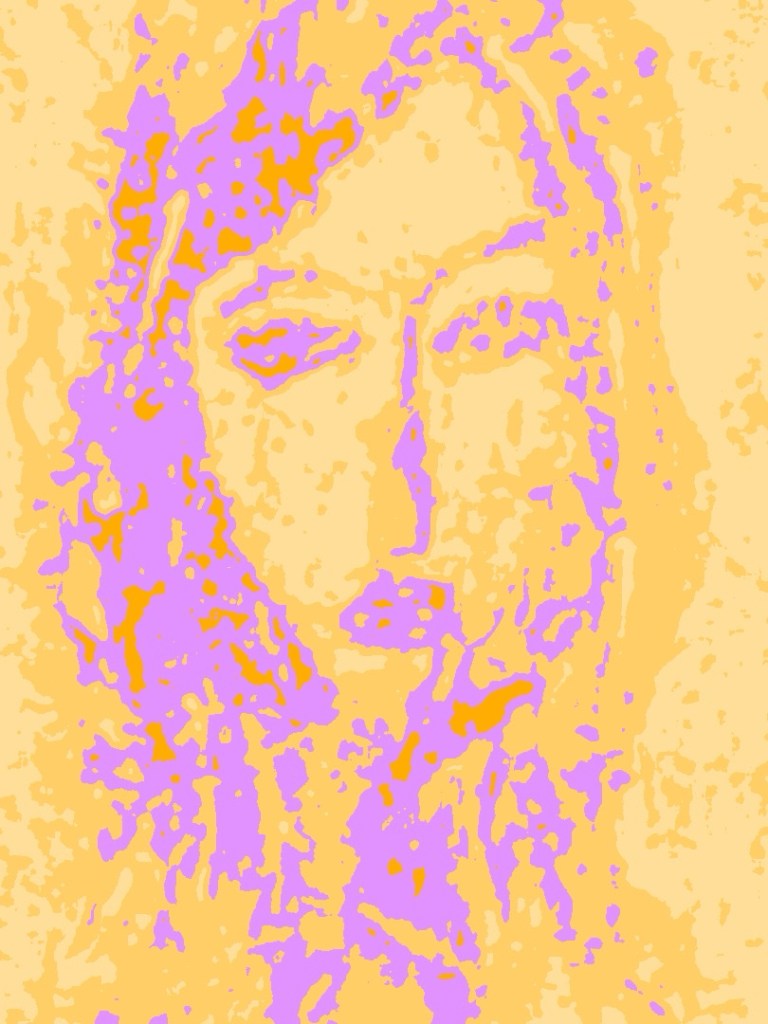
The Japanese word for contrasting values in art is Notan (濃淡), which translates to “light-dark harmony” or “light-dark balance”.Notan is a design concept and practice that involves simplifying an image into its basic shapes of light and dark to study the compositional energy, balance, and the relationship between positive and negative space.  Here are a few of my pieces put into Notan to study this design feature.

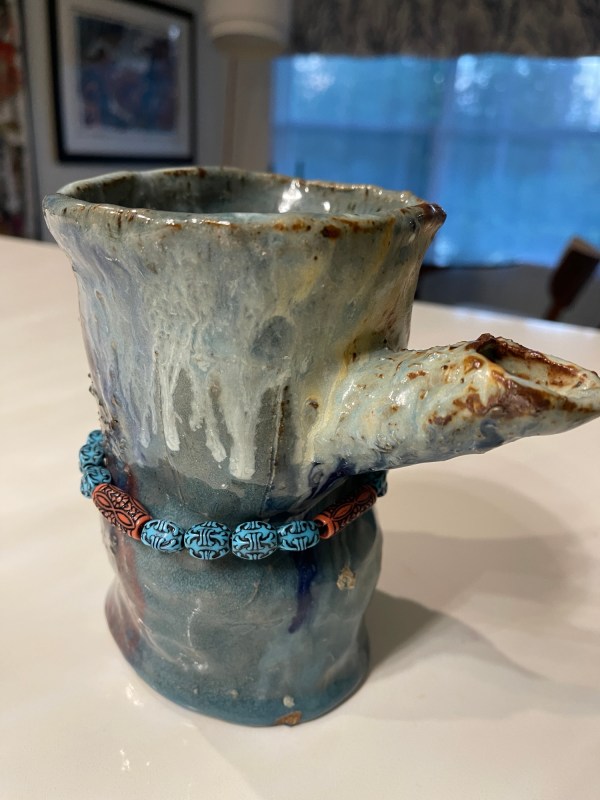
A Rough Vessel of Heaven and Emptiness

(On exhibit at Jane’s Gallery, New Smyrna Beach, Fl. From September 6 through December 31, 2025)

A Rough Vessel of Heaven and Emptiness

This vessel refuses the tyranny of symmetry—

a spout that tilts, a body that leans,

a form that whispers: I am not for your perfection.

Adorno would hear in it a quiet revolt—

resisting the smooth violence of the culture industry,

its fractures and heaviness speaking truth in negativity.

Ch’an would smile at its suchness:

emptiness held by clay,

a hollow that makes the whole,

impermanent beauty flowing like rain.

Not an object to possess,

but a question:

Where does creating end and becoming begin?

Critique: Tension and Liberation

Adorno would admire this as an object that resists commodification and negates the logic of standardization, presenting a unique fractured piece that defies the smooth sameness of industrial design.

Ch’an Buddhism would cherish its non-striving beauty, its embodiment of emptiness, imperfection, and spontaneity—an invitation to direct experience without conceptual fixation.

Thus, the vessel is both a dialectical protest (Adorno) and a meditation on emptiness (Ch’an):

It does not resolve into an identity, nor does it cling to perfection.

It gestures toward freedom—from both capitalist totality and egoic attachment.

Buddhist Perspective

Ch’an aesthetics favor emptiness (空), spontaneity (自然 ziran), and non-attachment. Objects often reveal impermanence and the play of natural forces.

Emptiness and Function

The vessel exists as a field of emptiness—its value is not in what it is, but in how it negotiates in interdependence (water, user, gesture).

The hollow interior exemplifies the Daoist-Ch’an teaching:
“Clay is shaped into a vessel, but it is the emptiness inside that makes it useful.”

Its irregularity invites a mind free from clinging to perfection.

Spontaneity and Suchness

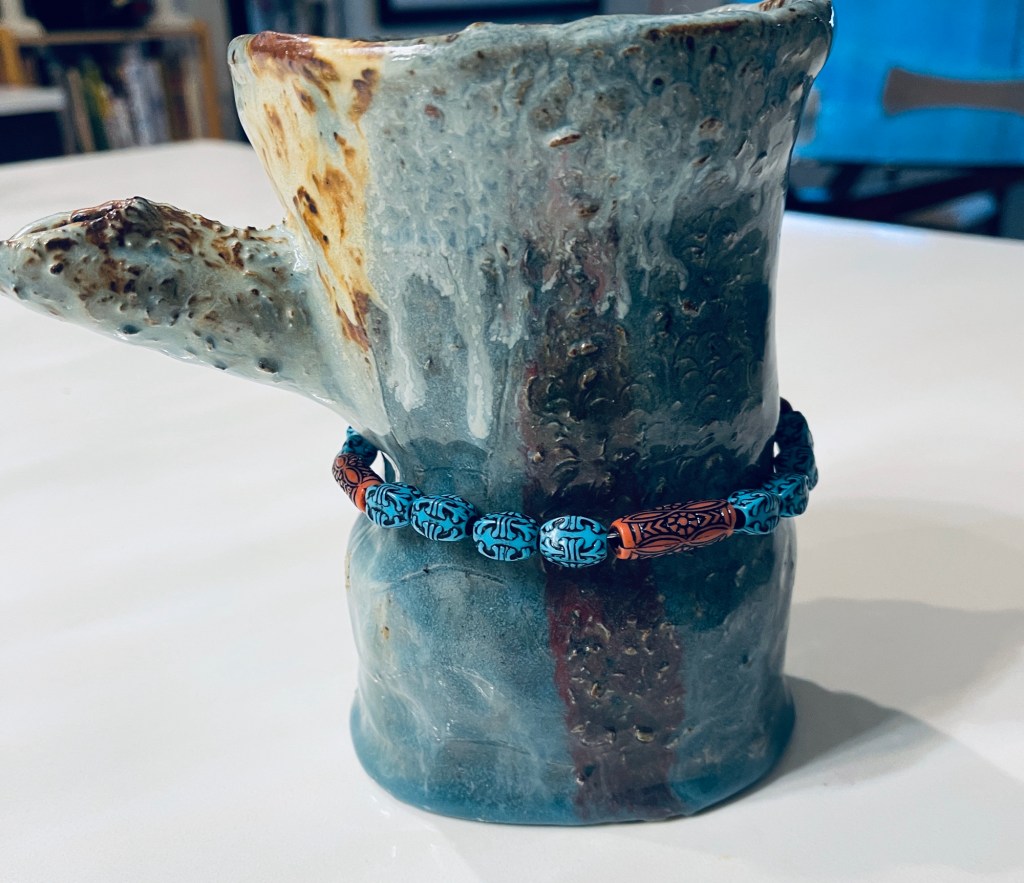
The glaze’s flowing drips and color transitions manifest suchness (tathatā)—the uncontrived nature of things.

Instead of rigid symmetry, the form appears arising from process, not imposed by egoic control. This reflects wu wei (effortless action).

Impermanence

The surface recalls eroded stone or weathered bark, subtly reminding the observer of time’s ceaseless change—a Ch’an sensibility.

Between branches:自然 (ziran, self so-ing)

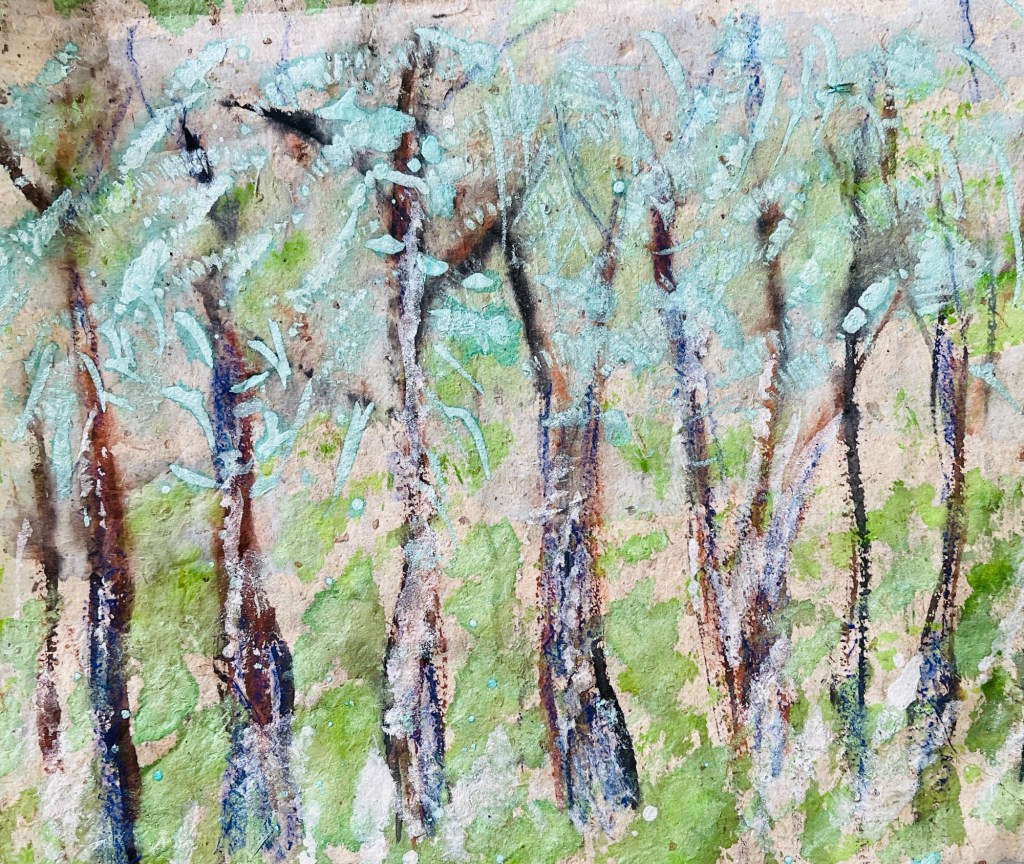
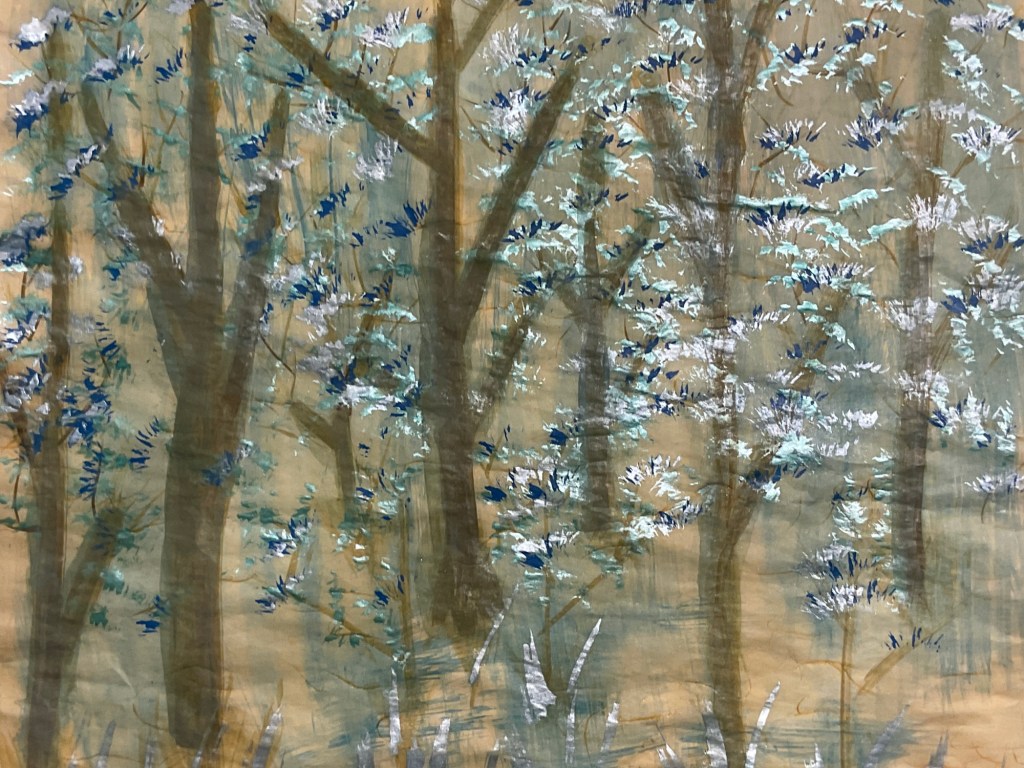
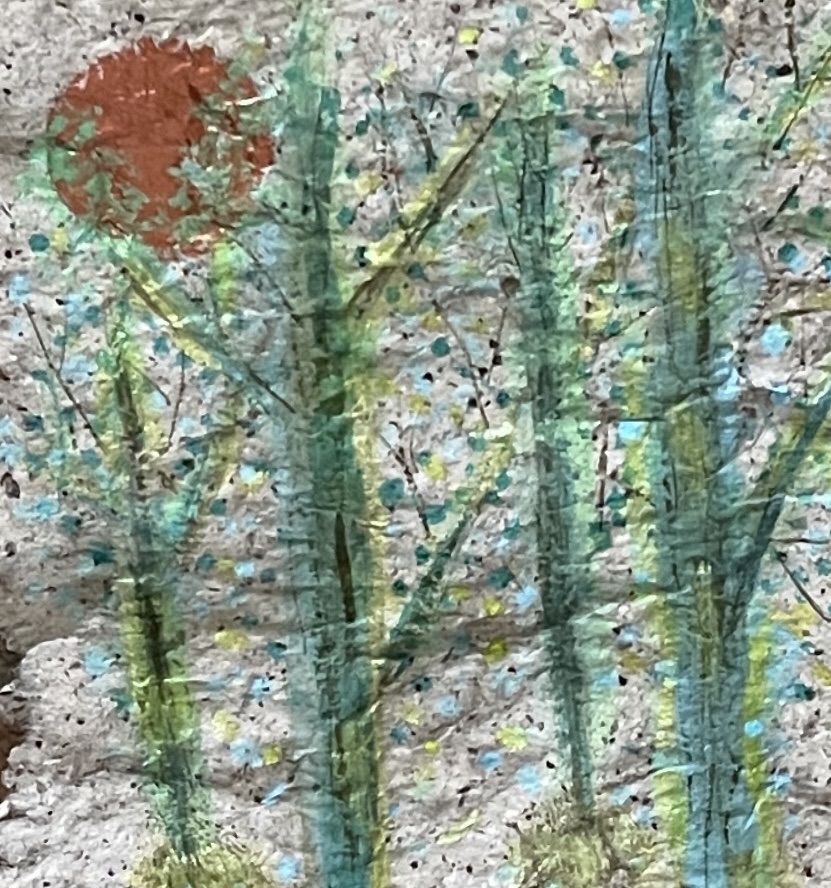
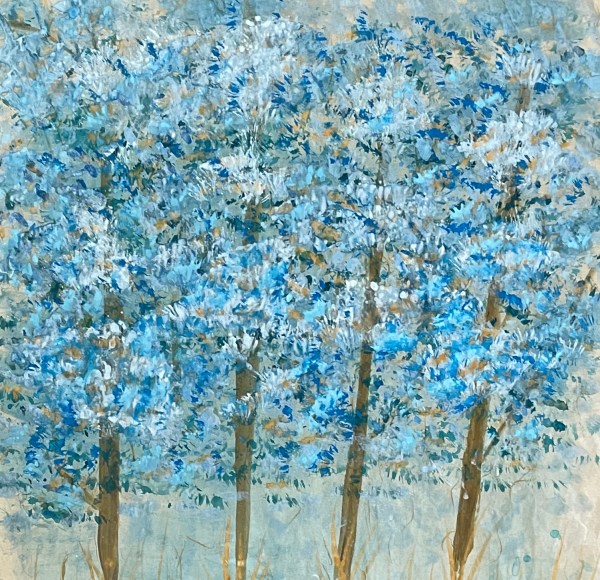
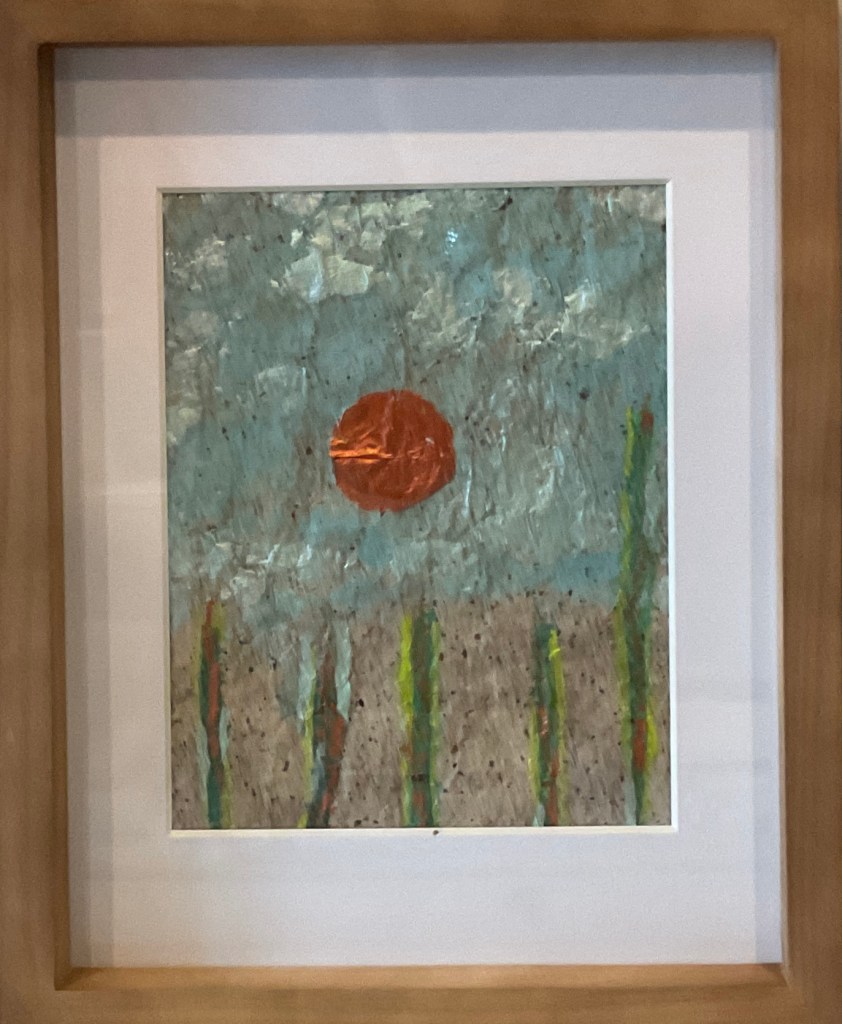
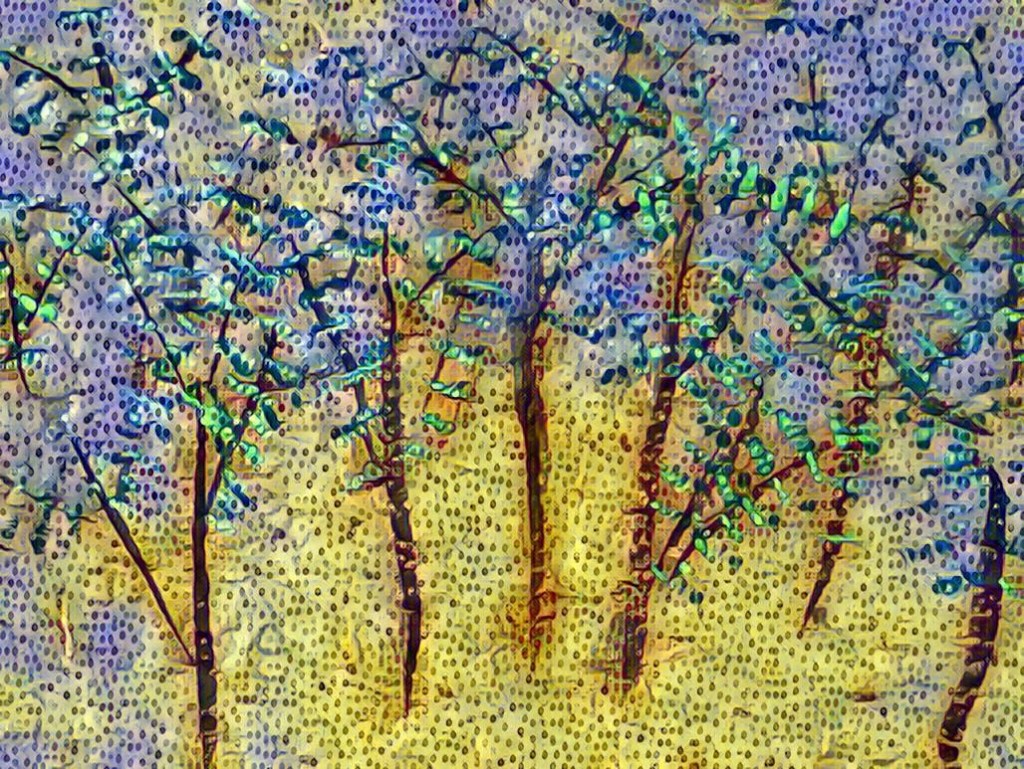
David Hinton, writing on the Ch’an Buddhist traditions and interpreting very early Chinese writings, often frames art as a practice of dissolving the boundaries between self and cosmos, evoking the Dao’s spontaneous unfolding of the present moment (Hinton, 2012). This painting’s layered greens, yellows, and copper do not “represent” the wetlands so much as it captures the flow of nature, allowing the viewer to be immersed into the rhythms of leaf, branch, and shadow. The brushstrokes feel less like controlled depiction than like the ziran (自然, self-so-ing) of nature itself. The Tang Dynasty artists in their expressive landscapes and poetry were aware of this and depicted it in their paintings and poetry. They understood the landscape is not “out there” but a field of energies mirroring the unconscious; a painting in which if the viewer participates while being in the moment, can understand Hinton’s sense that art “returns us to the cosmic tissue of existence” (Hinton, 2019).

Stephen Hinton, writing extensively on Adorno and modernism, suggests that the autonomy of a piece of genuine artwork, is a tension-filled construct: it resists the culture industry while carrying the traces of social reality (Hinton, 2016). The painting’s semi-abstract swamp scene stands between figuration and abstraction, evoking Impressionist fragmentation but refusing mere decorative appeal. The energy and action from the brushwork presents us with a painting that viewers are not able to consume quickly. This in itself, stages a resistance to commodified transparency. It holds together a contradiction: while it presents the elements of art in a natural flux, it also refuses to yield to the narrow confines the culture industry promotes as beauty.

For Adorno, authentic art reveals truth not through harmony but through the fractures and tensions it embodies (Adorno, 1997/2004). It can be argued that this painting resists the clarity often demanded by the culture industry, as it does not present a postcard scene, rather it is a dense, almost unreadable thicket. This opacity functions as critique: the wetlands appear fractured, layered, even dissonant, evoking what Adorno calls art’s “semblance character” (German word is Schein) that both reveals and conceals reality. Its unresolved tensions mirror a world that is itself fractured by domination, yet it is within that fracture that present the possibilities. This painting refuses to mimic a falsely harmonious world and instead reveals fracture as both the condition of reality and the possibility of transcending it.

References

Adorno, T. W. (1997/2004). Aesthetic Theory (R. Hullot-Kentor, Trans.). Continuum.

Hinton, D. (2012). Hunger Mountain: A Field Guide to Mind and Landscape. Shambhala.

Hinton, D. (2019). The Wilds of Poetry: Adventures in Mind and Landscape. Shambhala.

Hinton, S. (2016). Weill’s Musical Theater: Stages of Reform. University of California Press.

Going toward figurative

SAPPHO’S POETRY

Fragment 31B (or sometimes 147) – Fire Under the Skin: “…a thin flame runs under my skin.”

• Source: Ancient Sources of Sappho’s Poetry

Kate Weingart’s Art Biography

Kate Weingart is a visual artist whose practice draws on a lifetime of scholarship, activism, and spiritual inquiry. Based in Daytona Beach, she creates layered, symbolically rich paintings and clay sculptures that explore Neolithic and Paleolithic goddess cultures, ecological consciousness, the inner life of the psyche, and the commodification within the culture industry. Her art is influenced by Jungian psychology, Abstract Expressionism, and European automatism, synthesizing her style of figuration and abstraction with a tactile, focused, Zen meditative process.

Weingart’s academic foundation includes a Ph.D. in International Relations from the University of Miami (1989), an M.A. in Labor Studies from Rutgers University (1976), and a B.A. in Anthropology from Penn State (1972). She taught at Purdue University from 1990 to 2006, retiring as Professor Emeritus. Prior to that, she served as a union representative and educator in cities across the U.S., advocating for worker rights and social justice. Her work in labor and academia deeply informs her artistic lens, which examines the intersection of social structures and the economic marketplace, gender, nature, and human expression. Most recently she has been absorbed with the theoretical art criticism by Rosalind Krauss and the Philosophy of Aesthetics by Theodore Adorno. This has provided a new lens to give her insights into her work as an artist.

Following her academic career, Weingart turned more fully to the visual arts. From 2008 to 2023, she trained and served as an art docent at the Norton Museum of Art (West Palm Beach), Appleton Museum (Ocala), and Museum of Arts and Sciences (Daytona Beach). These experiences expanded her knowledge of art history and gave her direction in her own art-making journey. Since 2011, after her husband passed away, Kate began painting and she started working with clay around 2016, after her cancer diagnosis. Her clay sculptures evoke ancient goddess forms with a modern sensibility, while her paintings reflect a deeply intuitive exploration of identity, myth, and emotional landscapes.

Weingart has delivered public lectures on art history topics such as Women and Art, History of Landscape Painting, The Language of the Goddess, and Beauty in Our Own Image at institutions including the African American Museum of DeLand, the Cici and Hyatt Brown Museum of Florida Landscape Art, and regional art associations.

Her artwork has received increasing recognition, including:

2022 – First Place, Halifax Palette and Brush Club

2023 – Honorable Mention Award, Art League of Daytona Beach

2025 - Merit Award, Art League of Daytona Beach

2024–2025 – Juried exhibitions with KBM Art Gallery (Los Angeles), HMVC Gallery, (NY), Jane’s Gallery (New Smyrna Beach, Fl.), Gallery 500 (Daytona Beach, Fl.), The Palm Art Gallery (Los Angeles), Art League of Daytona Beach, Fl., Gallerium Art, Spectrum Art, Abstract Zone, and Exhibizone (Vancouver, Canada); Naturalist Gallery (Washington, DC); and publication in Artstonish (Vancouver) and the University of Pennsylvania Art Magazine (Philadelphia.)

Through her art, Weingart seeks to reclaim feminine spiritual traditions, challenge patriarchal narratives, and promote an ethic of connection—with the Earth, each other, and our deeper selves.

Ch’an Taoist thought and Adorno’s Aesthetic theory as critique of recent original landscapes

Swamp Studies: Impermanence and Resistance

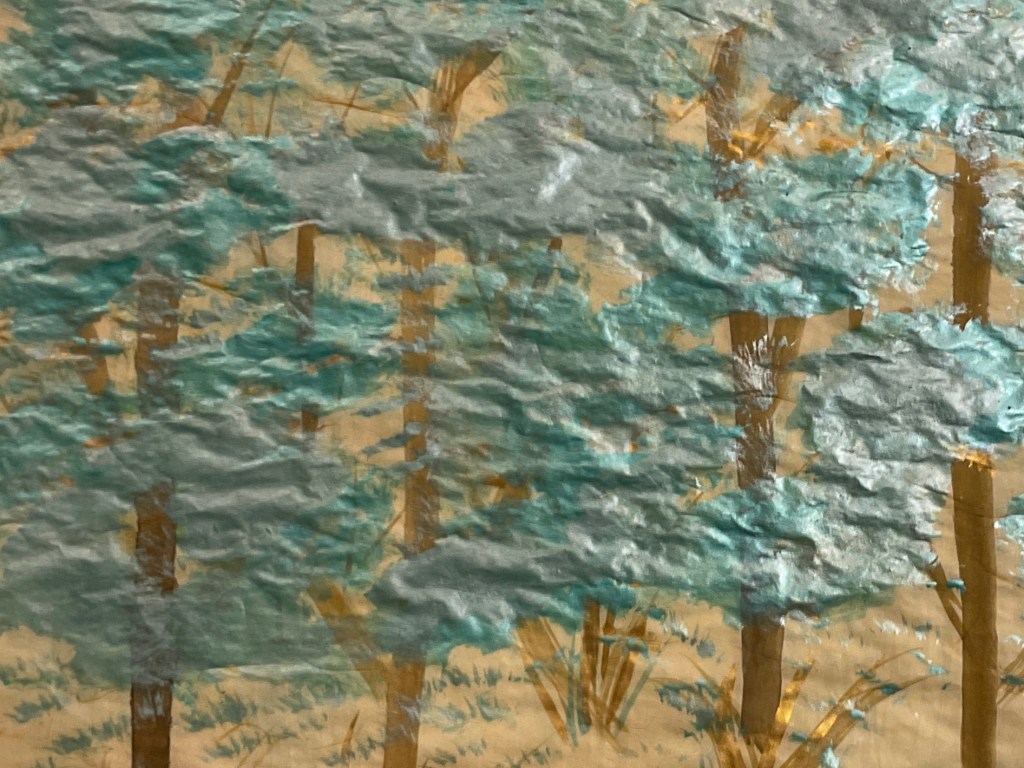
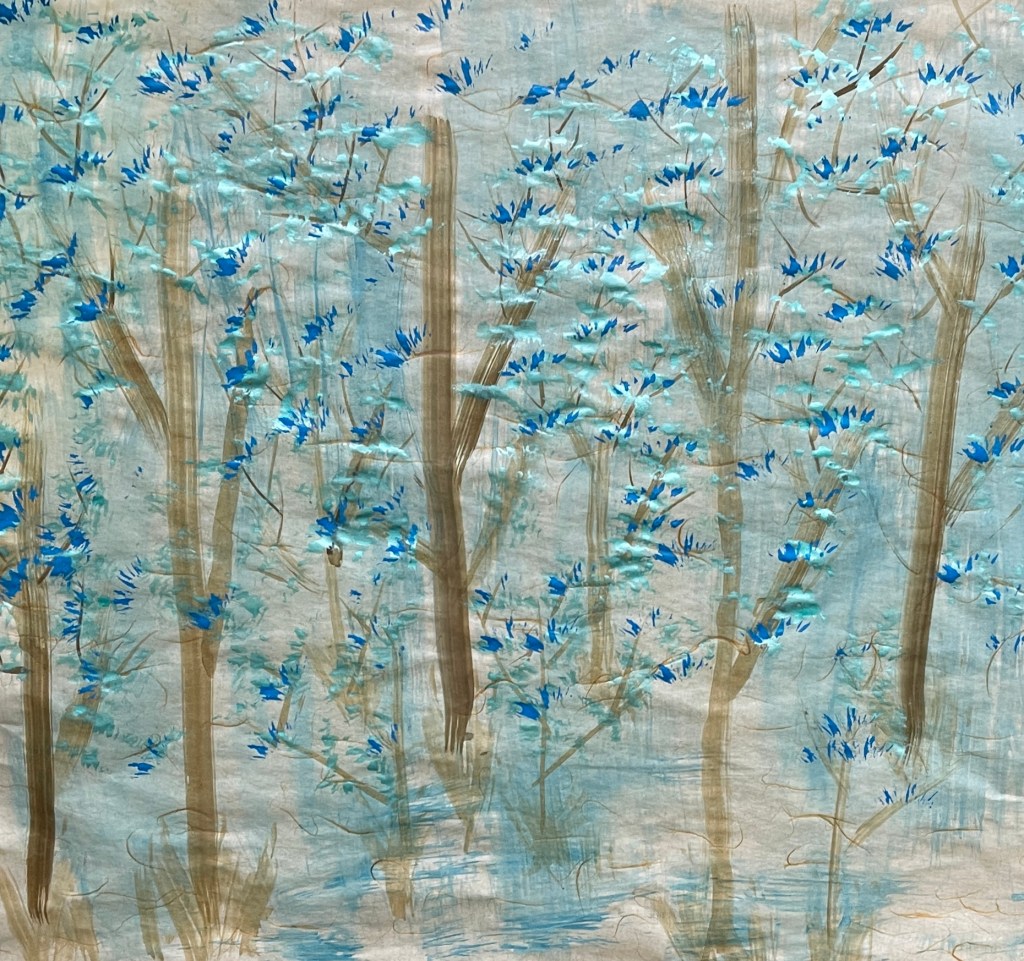
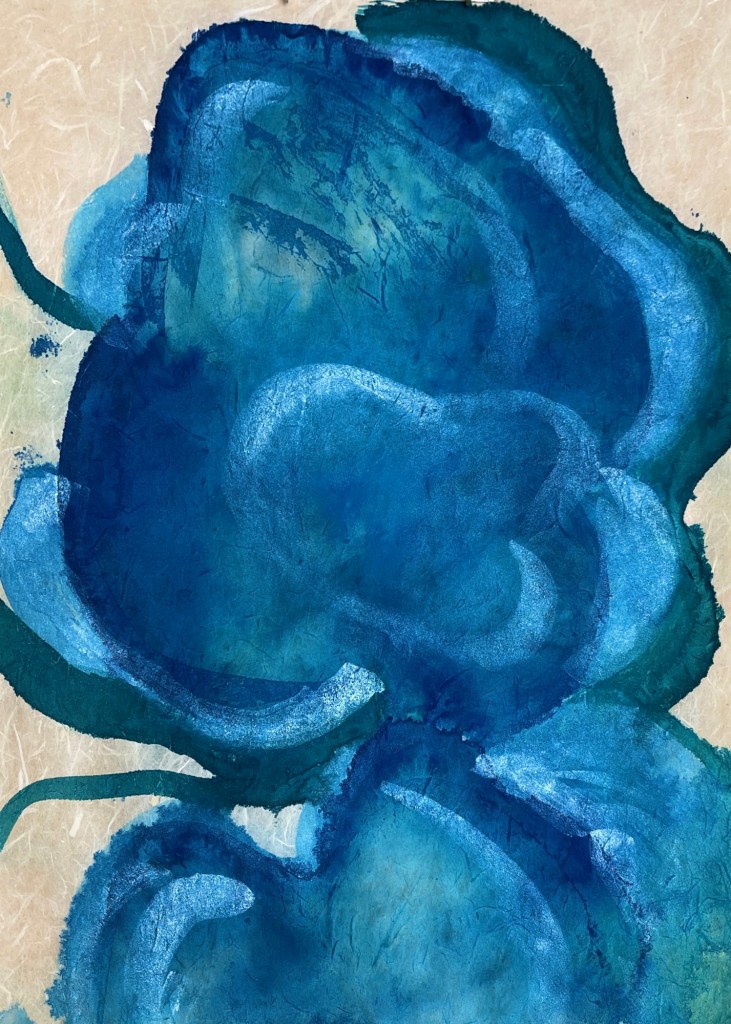
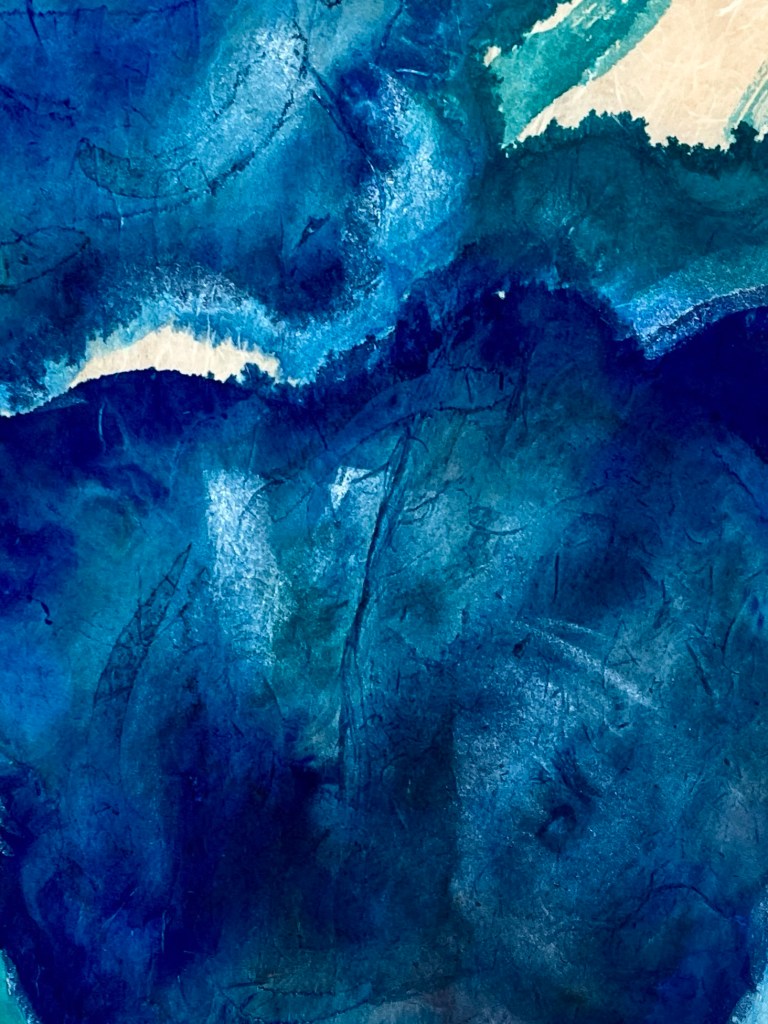
These small landscape studies emerge from repeated contemplative encounters with the swamp behind my home. Working with ink and watercolor on rice paper, the aim is to allow the process itself, the drips and runs of the ink and watercolor, to become visible.

The swamp is not presented here as a scenic object for consumption, but as an entanglement of presence and absence: an organic enigma, at times dark. It is a site where form momentarily coheres and slips away. I am interested in how gestures can suggest life without fixing it, how a mark can be both a disclosure and a veil.

My landscape painting practice is shaped primarily by two influences:

• Ch’an (Zen) approaches to landscape embrace emptiness and non-attachment. In these paintings, negative space and the dark contrasts are the ground of being, they represent the metaphor for the dark enigma, the mystery out of which appearances arise and to which they return.

• Critical theory espouses, especially Theodor Adorno’s insistence, that authentic art must resist commodification; to refuse to be an alienated object; and refuse to reconcile contradictions prematurely. If one finds dissonance and incompleteness in these works, they are intentional and are what I believe to be part of their aesthetics. They are no longer to be reconciled. A key quality that Adorno assesses is the extent to which art refuses the consoling fantasy of nature as a harmonious spectacle, especially as we are witnessing 21st century’s exploitation of the flora and fauna, to the point of many animal extinctions, including a trajectory of our own extinction.

Each study is an exercise in creating, with non-identity—allowing the swamp to be what it is: unstable, opaque, and indifferent to our desire for clarity. My hope is that this practice can offer a small space of resistance against reification and resistance to being an instrument for consumption, or resistance from “culinary beauty.” Rather I invite viewers to ponder the mysteries, and at the same time, be more open to understanding while we witness the 21st century’s industrial and technological exploitation of the Goddess, Mother Earth.

Abstract Landscapes: Wetland Vistas

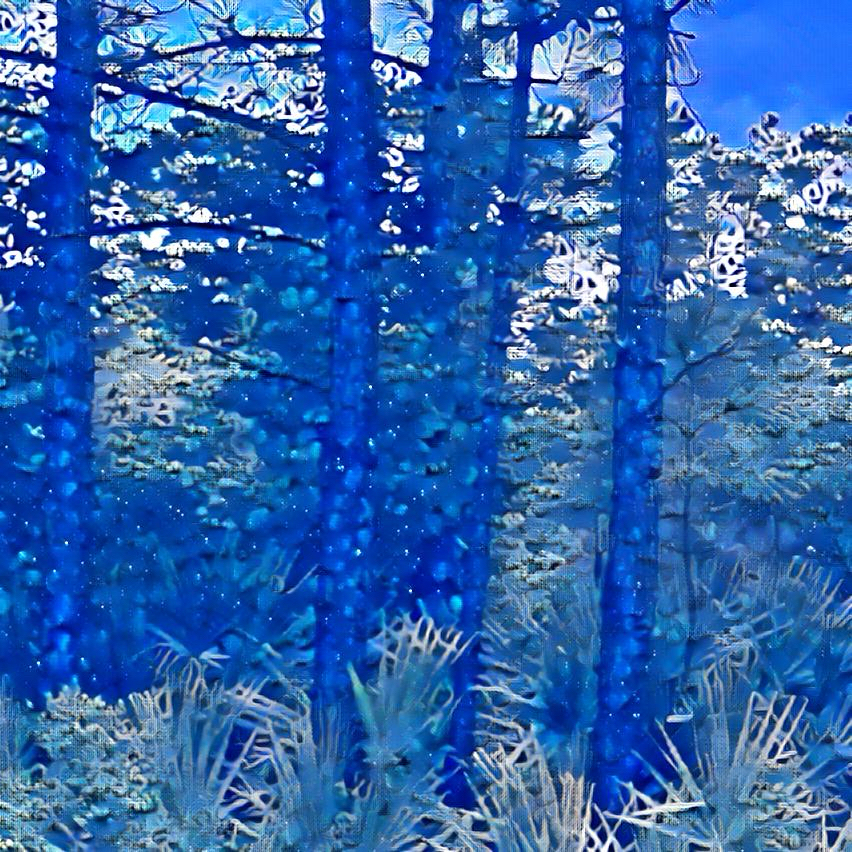
In the spirit of the Ch’an Buddhist poets and landscape artists, I present to you this collection of mixed media works which emerge from my contemplative practice.  Each piece begins with a meditation on the ever-changing vista of swamp and marsh visible from my backyard—a liminal space where water meets land, where ancient nature merges with organic reality.

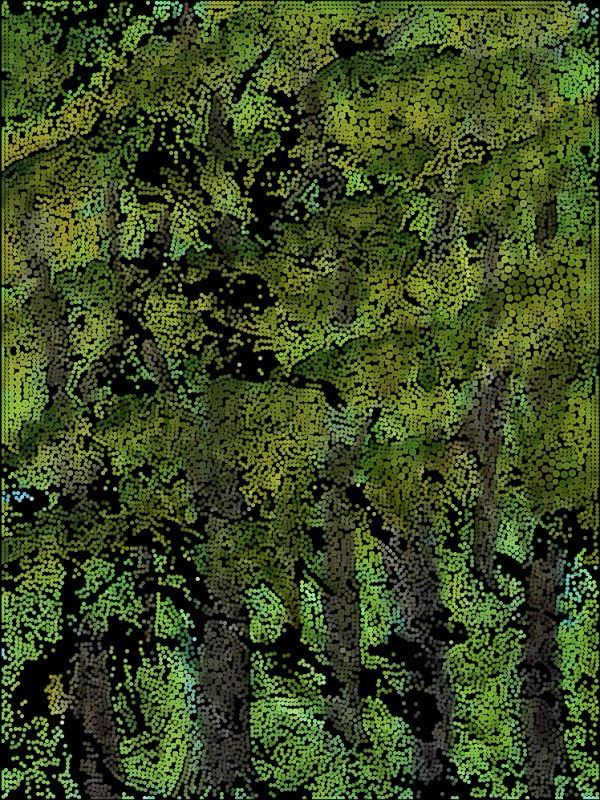
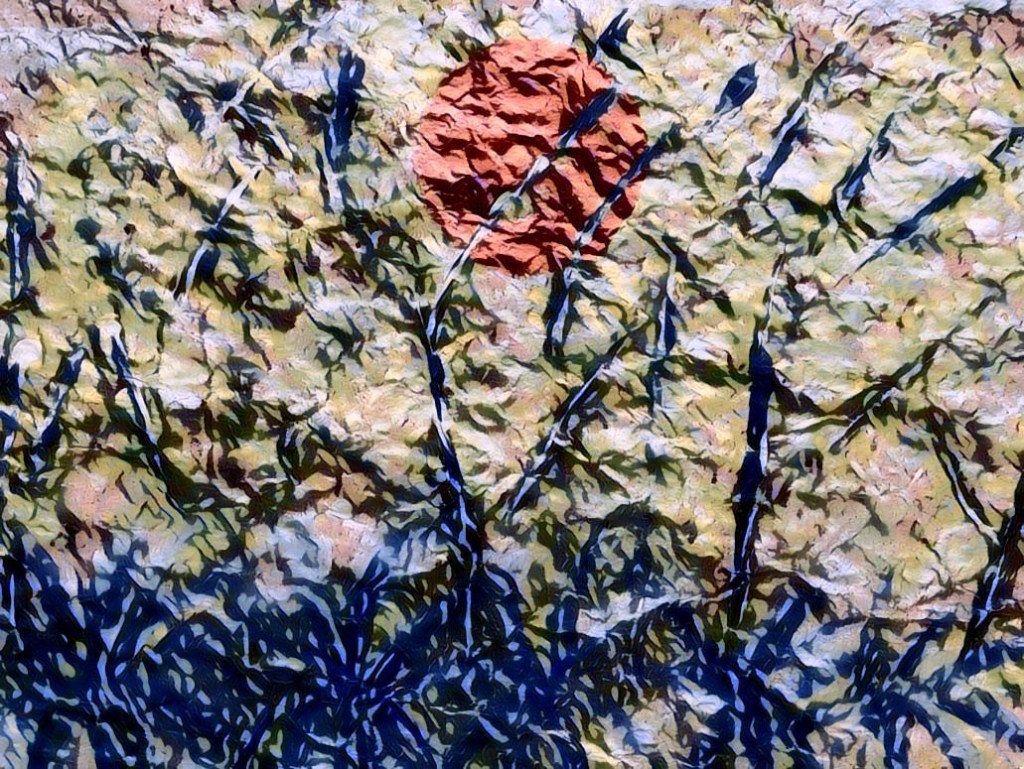
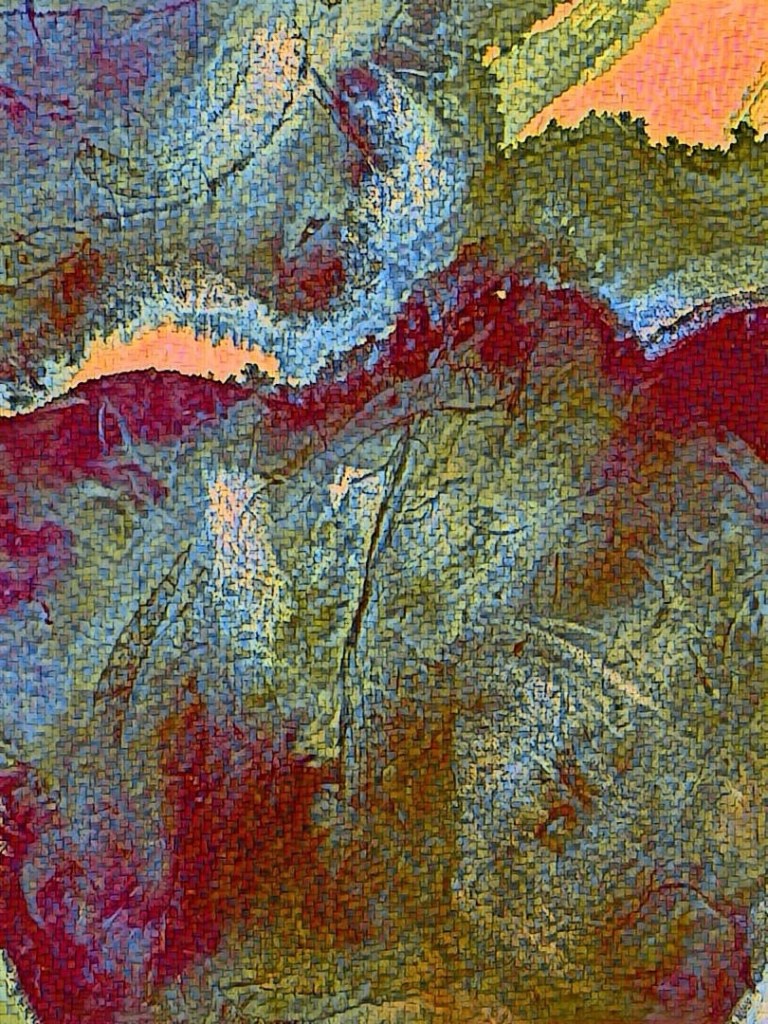
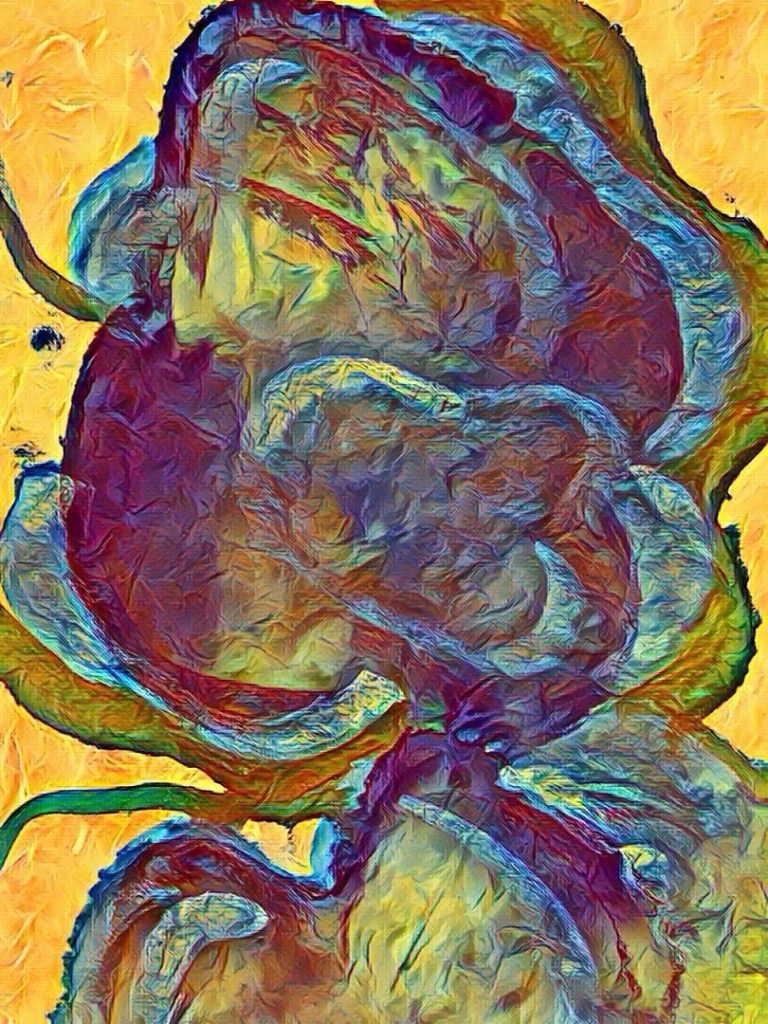
The creative process unfolds in three distinct phases: initial meditation allows for deep absorption of the landscape’s shifting moods, colors, and textures. Traditional watercolor and ink techniques on rice paper capture the fluid, organic presence of the wetlands, embracing the unpredictable ways pigment from the brush moves across the delicate and textured surface of the rice paper. Finally, digital layering and filtering transform the initial studies into compositions that echo the depth and mystery of this Florida wetland ecosystem.
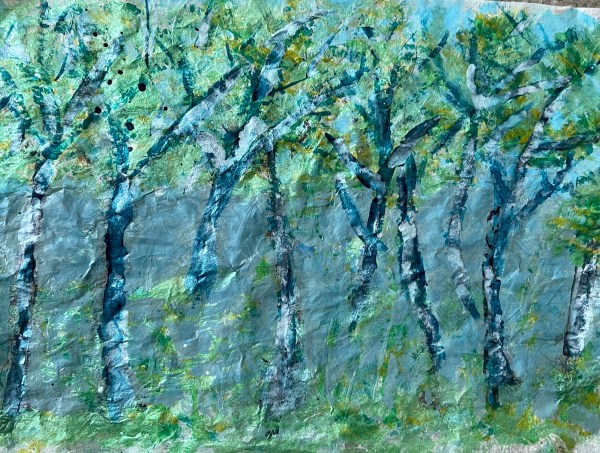
The art works transcend literal representation, instead, offer emotional and spiritual interpretations of the ever changing landscape.  The colors and compositions evoke the reflective quality of water and the rich sediment found in the marshland. 

These abstract landscapes invite viewers to experience the viewpoint, where the boundaries between inner and outer worlds dissolve into a unified field of color, texture, and light.

What is genuine art?

Authenticity of Process

• Even if the materials or references are borrowed, the artist’s way of engaging them—honestly, reflectively, even painfully—can produce something genuinely expressive.

• Kandinsky, Pollock, or Joan Mitchell: while abstract, they tried to reach something deeply real—through the unconscious, gesture, or intensity.

The genuine may lie in how the artist confronts their own condition, even if their tools are inherited.

Regarding Jung’s individuation stage, Art can be genuine when: a) it arises from deep psychic expressions of necessity b) honestly reflects a stage in one’s inner journey.

Non-representational art often becomes the language of the unconscious: a symbolic process rather than a literal one and individuation can make art genuine, because it reflects an internal wholeness or struggle, not just a style or surface.

But For Adorno, art is genuine when it refuses to reconcile with society’s false narratives, usually originating in the art marketplace… for in that arena reification occurs, and too often, the exchange value is all that is present. There is an institutional tendency towards conformity, homogeneity, and what soon becomes mediocrity; this occurs when the art is commodified, only to satisfying the consumer’s appetite for an object to be owned.

Meeting the Presence, the Generative

Nike as Winged Victory

I have crossed.

Through labor and learning,

through resistance and song,

through brushstroke and breath,

I have crossed.

This body — weathered, wavering — is still my mountain.

This mind — flickering yet fierce — is my cloud.

I rest on sacred ground.

In Presence, stillness, the divine all around.

That is how I meet the generative.

Not as a thing to seize,

but as a presence to welcome.

The present, the moment comes to meet me —

May I not name it too quickly.

May I bow to its strength,

its timing,

its freedom.

My art arises from this silence, the presence of the unconscious.

The energy is, built and shaped while listening to, the Shekinah—the force in the liminal space between intention and manifestation.

Let my voice, again, come from this stillness that is rooted in breath and earth. The CONIUNCTIO, Heaven and earth, are in unity here.

It is in the remembrance: authenticity is not a product,

But, a moment, it is an occurrence.

A season unfolding onto the path, that I am.

I let go of the return.

I let go the fear of what comes.

I meet the present.

Tender.

Steady.
Alive.

As the steely mountain; summit in clouds.

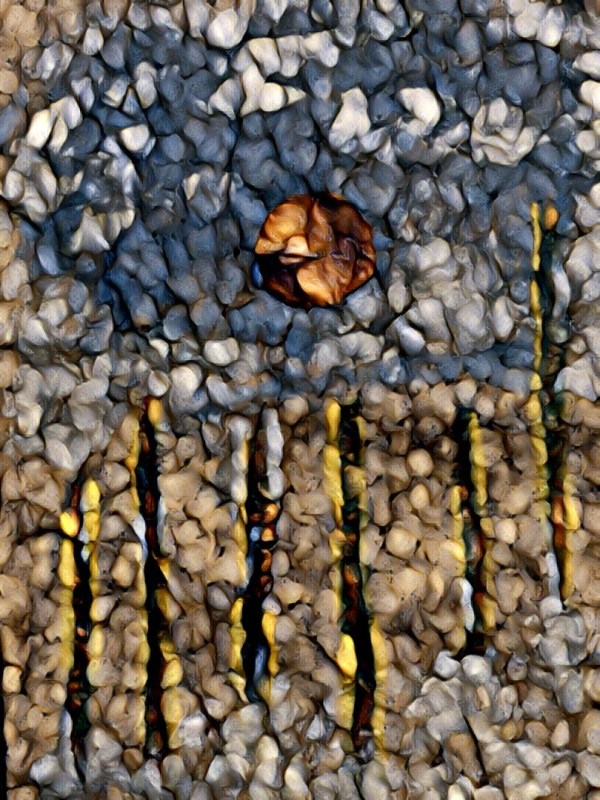
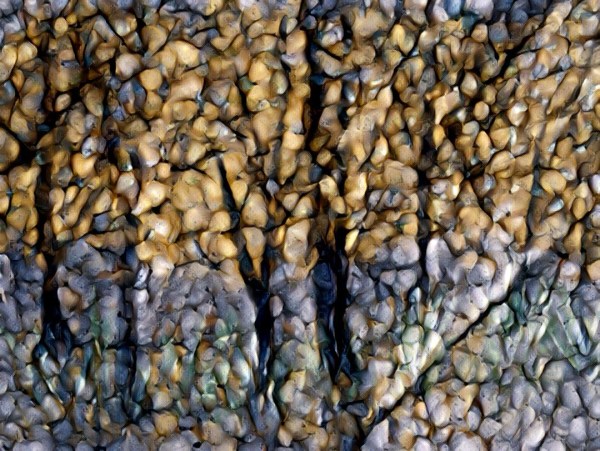
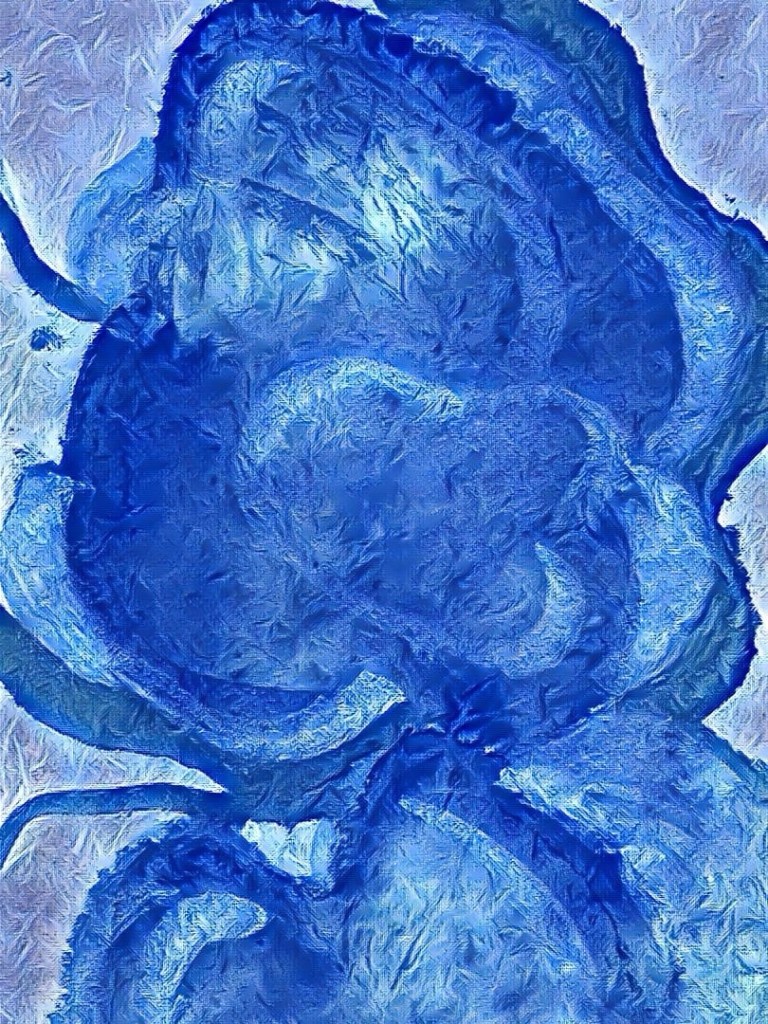
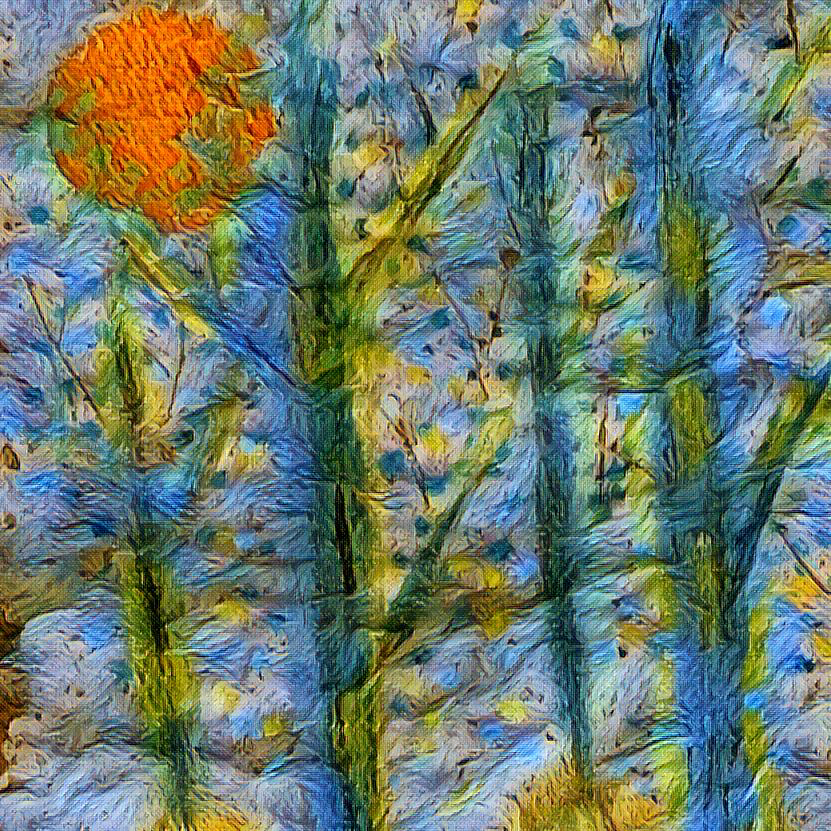
Marsh Mosaic is not a depiction but an occurrence —a space suspended between memory and perception, sight and heart. It asks you to enter a realm where light fractures, shadows deepen, and the language of water and leaf unfolds not in literal detail but in shifting impression. Here, the marsh is not simply a place but a pulse, a mosaic of echoes resonating beneath the surface, waiting to be sensed.

My practice

My practice begins in stillness—the kind

taught by Hexagram 52 in the I Ching, the Mountain

within a Mountain: and within the Ein Sof, and with

the Shekinah, the ever infinite indwelling female

spirit, a mystery in stillness that is not empty, but

generative. In this stillness, I attune myself to

a deeper rhythm, one that moves not with

time, but with presence. It is here that the

painting begins, not with an image or concept,

but with a felt sense—an emergence from the

quiet.

From this inner ground, gestures arise like

Breath. I do not seek to

control this process, but to participate in its

unfolding, led by pulses of energy that hint at

ancient codes and unseen patterns, as Jung

might refer to as the collective unconscious.

The finished painting is not the art—it is

the residue, the echo, the exhale. The creativity is

in the act of becoming, as the Goddess culture

identified. In Hebrew it is translated as

“being.” In Ch’an Buddhism it is the silent

illumination.

Here enters the Shekinah—not only as a

symbol of the divine feminine but as the

indwelling presence within the act of creation

itself. Her presence hovers in the liminal

space between intention and revelation. She is the

breath in the silence, the fire in the pulse.

And behind even this—beyond symbol,

beyond name—Ein Sof, the Infinite, offers a-backdrop

of ungraspable mystery. Each mark is an echo of what

cannot be fully known but longs to be felt.

What emerges is not a finished statement but

—an invitation into— the mystery, where

viewers are asked not to interpret, but to

inhabit. Each piece invites the viewer to

approach the painting not as a thing, but as a

threshold—an invitation to stand before the

piece as before a mountain, or a flame, to

encounter their own stillness, to be within the

mystery.

This is my practice: to become still enough to

listen, open enough to receive, and bold

enough to follow where the current leads.

The Swamp

Aesthetics in the Swamp

These pieces emerged from the rhythms of my backyard—an intimate mystery where growth and fluidity merge, and the swamp’s silent pulse becomes something almost otherworldly, a definition of non-object and beauty.

Portraits

Subdued Muse
Golden Gaze
Portrait in Teal
Polygonal Muse
Self portrait Kaleidoscope
Essential Soutine
Portrait from the Interior
Celestial Siblings
Textured Ancestry
Guardian of Compassion
BUBBE GODDESSES
Newsie, an ode to Sam
Whispers of divinity and other Goddesses
Chiaroscuro Whirl: The Geometry of Faces
Mia’s gaze
Marcie
The ALEPH
Megan as Muse
Aleph

Kate Weingart is an artist exploring the intriguing intersection of expressionism, automatic surrealism, and abstract expressionism. Her artistic vision is deeply influenced by these movements, as they allow her to delve into both the conscious and unconscious realms, creating canvases of memories and imagination. Weingart’s work often reflects the emotional intensity and intuitive gestures characteristic of expressionism, while automatic surrealism provides a way to bypass rational thought, tapping directly into the subconscious. Abstract expressionism provides a technique of rapid action painting that she employs. These elements combined create a unique visual narrative that speaks to her artistic intent.
Personal experiences and interactions have played a significant role in shaping Weingart’s imagination and artistic process. Memories of her interactions with her friends, family, and students infuse her work with authenticity and depth, providing a personal lens through which viewers can engage with her art. She sees these memories and interactions as a vital element of her creativity, fueling the imagination that drives her portraits.

The influence of Eric Kandel, a Nobel laureate known for his work in neurology, has informed Weingart’s exploration of the relationship between the brain and art. Kandel’s research into how the brain transfers and stores memories, feelings, and knowledge in our neural pathways, has inspired her to ponder on the neural processes involved in artistic creation. This intersection of science and art offers a deeper understanding of how memories are formed, recalled, and transformed into artistic expression, enriching her work with layers of meaning beyond the visual.

Serenade of Seas

In the tranquil embrace of aquatic whispers and ethereal shades, is “Serenade of Seas: Abstract Watercolor,” a harmony of water and dream, painting the soul’s gentle currents of imagination. Here, within the serene expanse, soft hues of blue and green cradle the spirit in a serenade.
Brushstrokes ripple like the dance of the wind on water, each curve and impression a hymn to the fluidity of nature’s pure essence. Within this tapestry of tranquility, hints of pink and white illuminate pathways to hidden depths, crafting an atmosphere where the heart’s pulse aligns with the ocean’s song.

Serenade of Seas: Abstract Watercolor

Blog at WordPress.com.

Up ↑