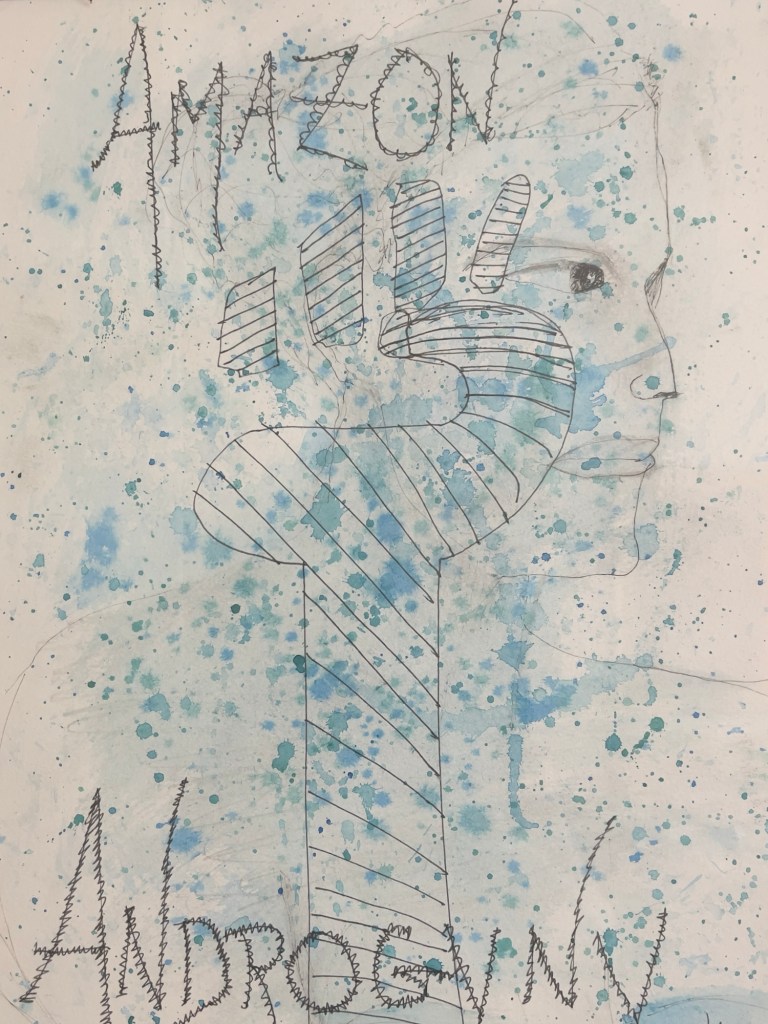
A critique and explanation of Femme studies
Femme Studies is an interdisciplinary field that examines femininity in its many forms, expressions, histories, and political meanings. Rather than treating femininity as a fixed identity tied to biological sex, Femme Studies explores how feminine ways of being are produced, embodied, performed, resisted, and reimagined across cultures, classes, races, sexualities, and historical periods. It draws from feminist theory, queer theory, cultural studies, psychoanalysis, decolonial thought, and media studies to investigate both the power and vulnerability associated with femininity.
A central contribution of Femme Studies is its critique of earlier feminist theories that often treated “women” as a universal category. Much twentieth-century feminist scholarship, while groundbreaking, frequently centered the experiences of white, Western, middle-class women and tended to view femininity primarily as a mechanism of patriarchal oppression. In doing so, some feminist frameworks overlooked the diversity of feminine experiences and underestimated the possibility that femininity can also be a site of creativity, agency, pleasure, and self-fashioning. Femme Studies asks whether femininity itself should always be understood as subordination, or whether it can contain forms of resistance and meaning that exceed patriarchal definitions.
Influence of Mass culture and binary gender roles
This question becomes especially difficult in societies saturated by mass culture. Fashion magazines, pornography, television, cinema, advertising, and now social media continually circulate images of idealized femininity and masculinity. These industries do more than represent gender; they participate in shaping desire, self-perception, and the unconscious. The challenge is determining where cultural conditioning ends and personal preference begins. When an individual desires beauty, strength, nurturing, dominance, submission, elegance, or protection, it is often impossible to disentangle innate dispositions from the countless narratives and images that have structured the psyche since childhood. Femme Studies therefore resists simplistic conclusions. Rather than assuming that all gendered desires are either natural or socially imposed, it investigates the complex feedback loop between embodiment, culture, fantasy, and power.
The project of imagining a non-patriarchal and non-colonized self cannot remain merely theoretical. Patriarchal and colonial systems are not passive inheritances; they are actively reproduced through institutions, media, education, religion, family structures, and the cultural production of desire itself. Fashion magazines, pornography, television, film, and digital media do not simply reflect existing gender norms—they participate in manufacturing them. They shape our fantasies, aspirations, fears, and understandings of what kinds of bodies, identities, and relationships are socially intelligible.
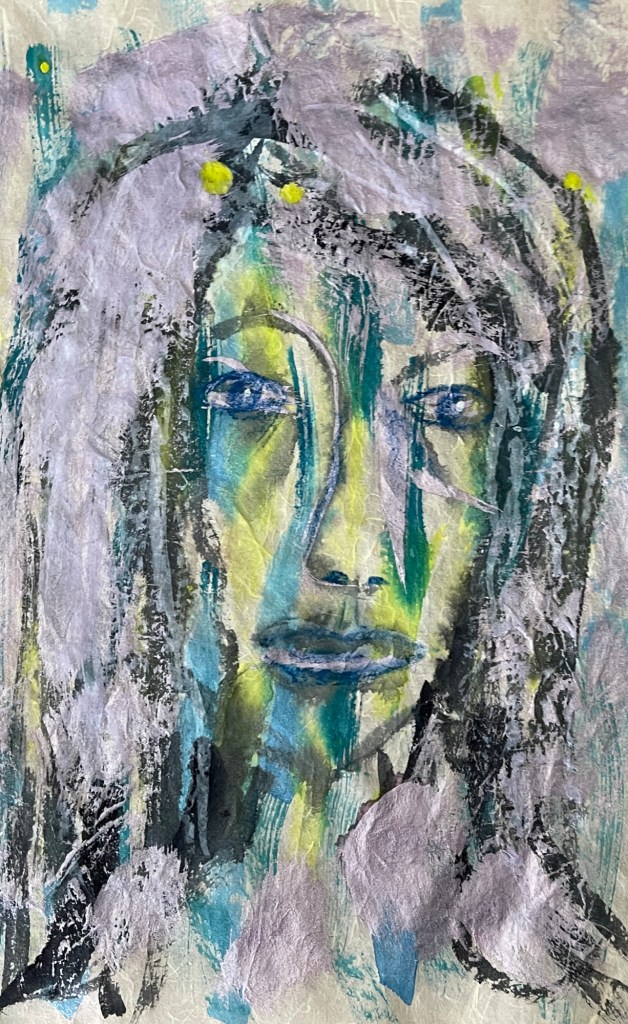
The need for Resistance to hierarchy and domination
Because these forces are pervasive, resistance requires more than individual self-expression. It requires a continuous process of becoming. A non-patriarchal self is not a destination but an ongoing practice of consciousness raising, critical reflection, and collective transformation. We must learn to interrogate the desires, assumptions, and identities that have been naturalized through systems of power. This work is difficult because domination often disguises itself as common sense, tradition, personal preference, or biological inevitability.
The struggle therefore cannot be carried by isolated individuals alone. People who question inherited norms need intellectual communities, political movements, and spaces of mutual support. A culture of inquiry must be cultivated—one that encourages people to ask difficult questions about gender, sexuality, power, and identity without fear of exclusion or punishment. Such a movement is not organized around prescribing new forms of gender conformity, but around expanding the possibilities for human flourishing.
This requires rejecting hierarchical understandings of gender that position masculinity above femininity, privilege narrow binary expressions, or reward domination as a social virtue. Instead, gender should be understood as a diverse field of human expression whose value lies not in its conformity to social expectations but in its capacity to enable authentic and self-determined lives.
At the same time, the goal is not the abolition of difference. Individuals should be free to inhabit femininity, masculinity, both, neither, or forms yet unnamed. What matters is that these expressions emerge without coercion, discrimination, or systems of domination. The measure of liberation is not whether people choose differently from the past, but whether they possess the genuine freedom and social conditions necessary to choose for themselves.
A non-colonized and non-patriarchal future therefore demands both personal transformation and collective action. It requires a society committed to questioning inherited hierarchies, supporting those engaged in this work of becoming, and creating conditions in which all people can develop their identities with dignity, agency, and freedom.

 Art by Kate W