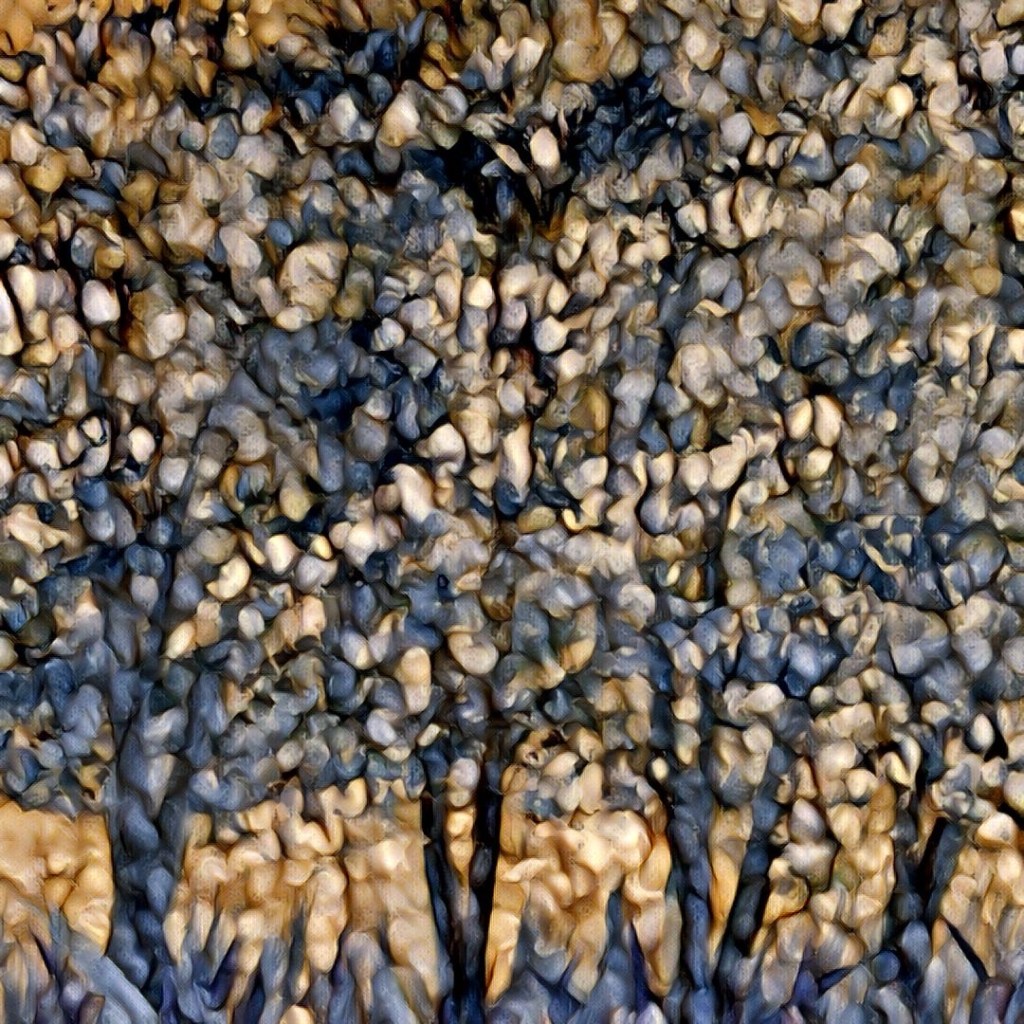
There may be no privileged position from which we can simply see reality itself in its totality. Instead, we construct descriptions of reality through the ways we have been socialized and trained, through our knowledge and histories, and through the particular conceptual frameworks we use to make sense of what we encounter.
This does not mean that “everything is subjective.” The physical world imposes constraints upon us. A measurement is not simply invented; it is conditioned by what the material world permits us to observe and measure. Yet what we identify as a particle, a boundary, a form, or even a separate object may depend upon the scale, framework, and perspective from which we encounter it. The same is true of the values we assign to a form, an object, a person, or a painting. What we perceive is never entirely separable from the position and conceptual apparatus through which we perceive it.
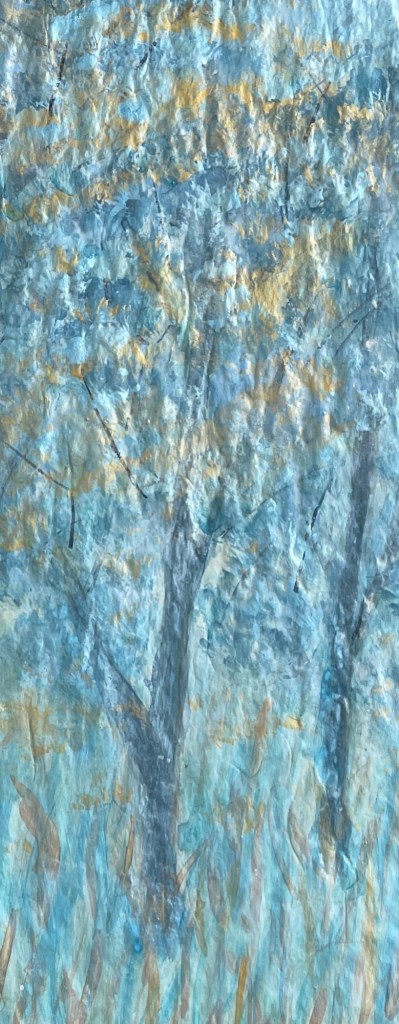
In deciphering forms and patterns, one can argue that a form is what a particular pattern looks like when encountered from a particular scale and perspective. What appears to us as a distinct thing may, at another scale, reveal itself as a configuration within a larger process.
This becomes especially important when thinking about the idea of always becoming. Transformation does not necessarily mean that “one thing becomes another thing.” It may instead be a reorganization of relationships, energies, structures, and processes that, from our particular perspective, appears as the emergence of a different form.
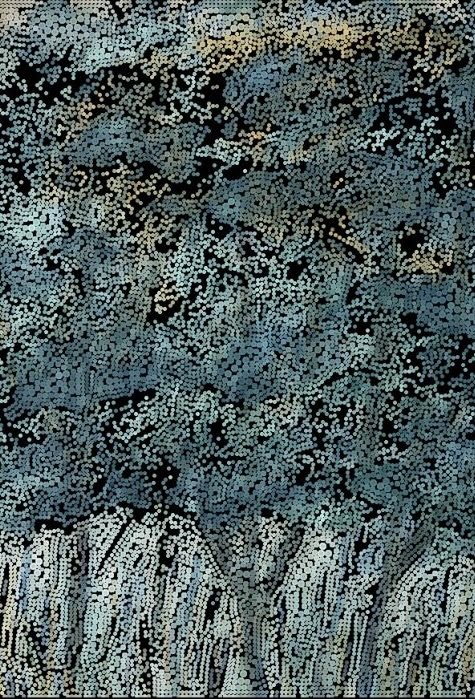
The form is therefore not necessarily a fixed entity but a temporary manifestation of an ongoing process. What we call a “thing” may be a momentary configuration within a continuous becoming—a pattern temporarily holding its shape within a larger field of transformation.

